
One bad hop in the cage can change the entire practice. A hitter is loading, a coach is feeding balls, a teammate is drifting too close to the screen, and suddenly a routine round turns risky. That is why a solid batting practice safety guide matters. Good BP is not just about swings and exit velocity. It is about controlling the environment so players can train hard without inviting preventable injuries.
Why a batting practice safety guide starts with setup
Most batting practice injuries do not come from freak accidents. They come from rushed setups, worn equipment, poor spacing, and players who are not clear on where to stand or when to move. The fix is rarely complicated, but it does require discipline.
Start with the hitting area itself. Whether you are working in a full cage, on-field station, or portable net setup, the first question is simple: where can a ball go if something goes wrong? Mishits, ricochets, tipped balls, and rebounds all need to be part of the plan. If your answer is basically nowhere, your setup needs work.
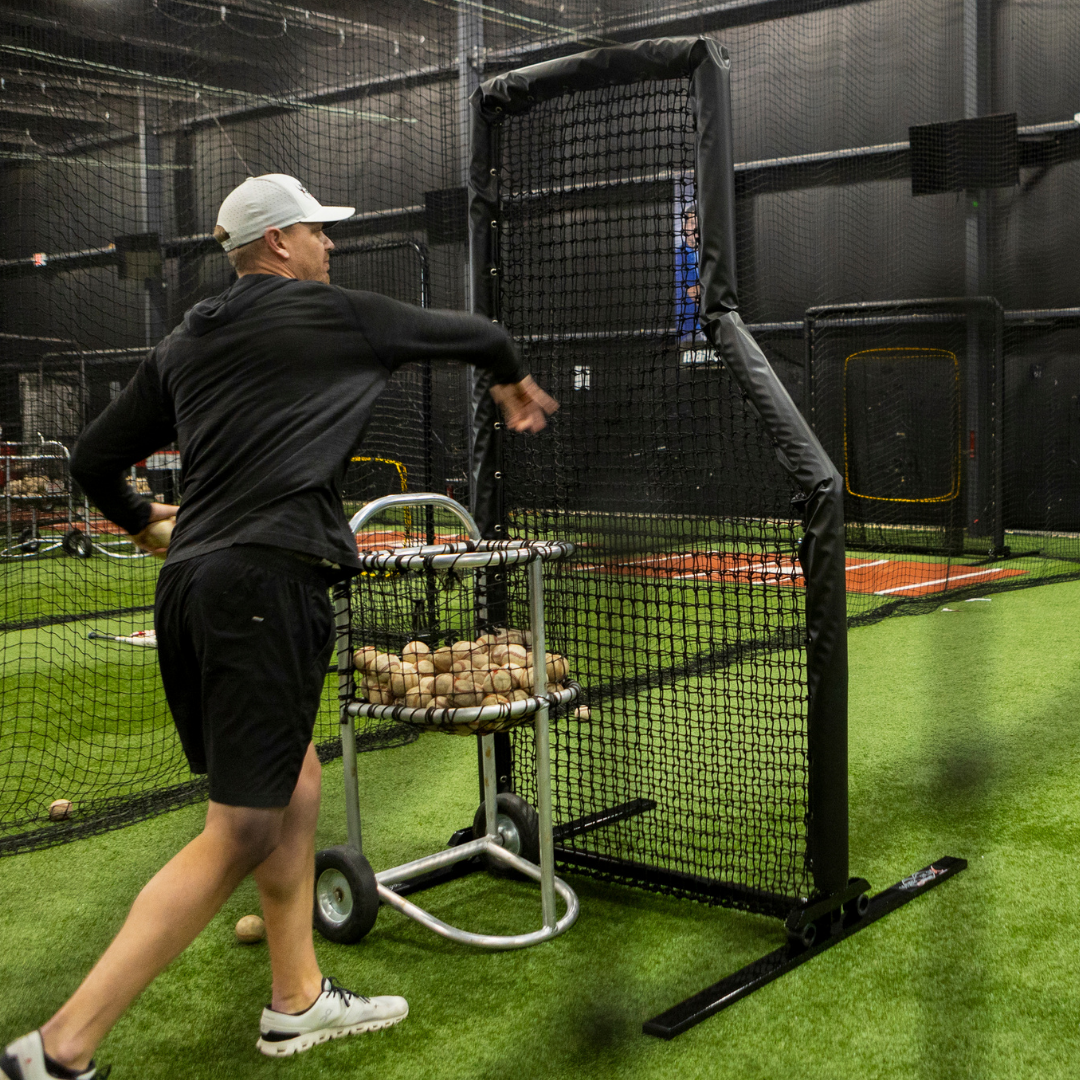
Protective screens are the backbone of safer batting practice. An L-screen or Z-screen gives pitchers, coaches, and machine operators a defined shield in high-repetition work. That matters even more when velocity goes up or young hitters are still learning barrel control. A flimsy frame or loose netting can turn protection into false confidence, so durability is not a luxury here. It is part of the safety system.
Match the equipment to the volume
A backyard hitter taking light front toss does not need the same infrastructure as a school program or private facility running daily rounds. Portable gear has real value, especially for travel teams and families that need quick setup and teardown. But there is always a trade-off. Lightweight systems are easier to move, while heavier-duty screens and nets usually hold their shape better under repeated impact.
For high-volume use, the safer choice is often the more stable one. If a screen shifts after every line drive or starts to sag over time, players lose protection exactly when they need it most. If your training environment is busy, choose equipment built for repeated contact, not occasional use.
Safe spacing is what keeps batting practice organized
Good spacing does more than make a practice look clean. It cuts down on the two biggest avoidable problems in batting practice: players entering active ball paths and players relaxing in live areas because they think the rep is over.
The hitter, feeder, coach, and waiting players should each have a defined zone. That sounds basic, but many unsafe practices happen because everyone assumes everyone else knows where to stand. Marking these areas before the first swing saves a lot of confusion. In team settings, that can be as simple as verbal checkpoints before each round. In cage work, it means making sure no one crosses in front of the screen, steps behind the hitter, or crowds the bucket area.
Keep the on-deck space outside the immediate ball path. If athletes are shagging, they should only move when the coach calls the field live or dead. This is one of those details that feels strict until a hard foul ball reminds everyone why it matters.
Where coaches should stand
Coaches and parents often absorb the most risk during batting practice because they are feeding balls, adjusting machines, or jumping into toss work without full protection. The safest position is the one that uses a proper screen and keeps the body off the direct return line. If you are throwing front toss or overhand BP, your angle matters. Even a well-struck comebacker can close distance fast.
Standing just a little off line is helpful, but it is not a substitute for a quality protective screen. Safety should not depend on reaction time. It should depend on structure.
The hitters need rules too
A batting practice safety guide is not only about gear. It is also about player habits. Young athletes especially need direct expectations, not vague reminders to be careful.
Hitters should enter the box with a helmet on, a bat in hand, and full attention on the live rep. That means no loose swings outside the cage door, no stepping out while balls are still being collected, and no turning their back toward active toss work. If the machine jams, if a ball rolls underfoot, or if someone enters the space, the round stops. No rep is worth improvising through confusion.
Warm-up also matters. Cold swings and rushed starts can lead to poor control, and poor control raises risk for everyone around the station. A few minutes of movement prep, dry swings, and clear round structure usually creates better contact and a safer session.
Screen condition and net condition are part of safety
This is where many teams get lazy. They inspect bats and helmets, but ignore the screen that takes hundreds of impacts every week. If a protective screen has torn netting, bent joints, loose connection points, or a frame that wobbles under pressure, it is no longer doing its job the way you think it is.
The same goes for batting nets and portable systems. Netting that has stretched too far or worn thin can let balls punch through, especially during stronger sessions with older athletes. Frames that slide on contact can open angles you did not expect. Before practice starts, do a fast check. Look at tension, frame stability, wheel locks if present, and wear spots near the target area.
This is one reason serious programs invest in equipment that is built for repeated impact. Tougher materials and stronger frame construction do more than last longer. They hold the training environment together when reps pile up.
Machine work needs stricter controls
Pitching machines can create efficient batting practice, but they also remove some of the natural pauses that help people reset. The machine does not get distracted, which means the people around it have to be even more locked in.
Keep one operator in charge. Mixed commands are a problem. If one person is loading while another is talking to the hitter, timing gets messy fast. Establish a clear routine for when the machine is live, when it is being adjusted, and when players can enter the area. Nobody should step in front of a loaded machine, even for a quick pickup.
With younger players, slower settings and visible release timing help reduce panic and awkward swings. With advanced hitters, increased velocity means increased rebound speed, so your screens, net depth, and spacing need to match the intensity of the work.
Indoor and outdoor safety are not the same
Indoor facilities create more ricochet risk because walls, turf, poles, and low ceilings can send balls back into traffic. Outdoor setups have more room, but they also introduce weather, uneven ground, and visual distractions. A wet surface around the cage or mound can be just as dangerous as poor netting.
Adjust for the environment. Indoors, manage rebound zones aggressively. Outdoors, stabilize equipment and make sure the ground around screens and plates is level enough for clean movement.
Build a safer batting practice routine that lasts
The best safety standard is the one your team can repeat every day. If your setup is too complicated, people will skip steps. If your equipment is too weak for the workload, players will work around it instead of trusting it. The goal is a routine that stays sharp even when practice is moving fast.
That usually means choosing dependable screens, clear lanes, durable nets, and a consistent command structure. It also means being honest about your training volume. A family hitting twice a week and a program running dozens of athletes through stations have different needs. Portable gear is a smart fit in one setting. Heavy-duty infrastructure is the better call in another. It depends on how often the equipment gets hit, moved, and exposed to stress.
Web Flex Sports is built around that reality. Some athletes need portable training gear they can move easily. Others need pro-level screen protection and net systems that can absorb daily use without losing shape. The safest setup is not the one with the most gear. It is the one that fits the work.
If you want batting practice to produce better swings, better timing, and better confidence, start by removing the avoidable risk. Players train harder when the space is organized, the protection is real, and every rep has a purpose.