
A lot of softball gear looks impressive in a product photo. The real test happens in a driveway, inside a batting cage, or on a field during the fifth straight day of reps. That is where softball training gear trends are changing the conversation. Players, coaches, and parents are paying less attention to hype and more attention to one question: does this gear actually make practice safer, more efficient, and easier to repeat?
That shift matters because softball development is built on volume. More swings. More throws. More front toss. More defensive touches. When training equipment breaks down, takes too long to set up, or forces coaches to work around safety issues, development slows down. The most useful trends are not about novelty. They are about removing friction from the work.
The softball training gear trends worth watching
The biggest movement in the market is toward gear that does more than one job well. Buyers are looking for equipment that helps create a complete practice environment instead of solving a single small problem. A portable net is no longer just a net. It needs to set up fast, hold up to regular use, travel well, and fit different drills from tee work to soft toss to pitching reps.
The same is true for screens. Coaches and facilities are prioritizing protective equipment that can absorb constant impact, stay stable during heavy sessions, and still be practical enough to move when the workout changes. That is a meaningful shift. A screen that saves time and holds its shape through repeated use has real value over a long season.
Another clear trend is that buyers are getting sharper about matching gear to training volume. Not every athlete needs the heaviest setup available. Not every school or facility can afford to replace lighter gear every season, either. The smarter approach is choosing equipment based on how often it will be used, who will move it, and how much impact it will take.
Portability is no longer a bonus
Portable training gear used to be treated like a compromise. It was something you bought if you needed convenience and accepted a step down in durability. That gap has narrowed.
Today, one of the strongest softball training gear trends is the demand for equipment that travels without feeling temporary. Travel ball families want gear that fits into a packed schedule and a packed vehicle. Coaches want practice tools they can move from cage to field without turning setup into a separate workout. School programs want options that can be stored cleanly and deployed quickly.
Portable nets, collapsible screens, and mobile rebounders are getting more attention for that reason. The best versions are not just lighter. They are designed for repeated assembly, breakdown, and movement without loosening up or wearing out too fast. That distinction matters. Portability only helps if the gear is still dependable after a long season of use.
There is a trade-off here. Ultra-light gear can be easier to carry but less stable under heavy impact or bad weather. Heavier-duty models usually offer better long-term durability and a stronger training feel, but they ask more from the user in transport and storage. For families and travel players, the right answer is often different from the right answer for a high-volume facility.
Safety-first equipment is becoming standard
This is one of the healthiest changes in the market. Serious softball programs are putting more emphasis on protective infrastructure, not less. Screens, barriers, and controlled training stations are no longer viewed as optional add-ons. They are part of how efficient practice gets built.
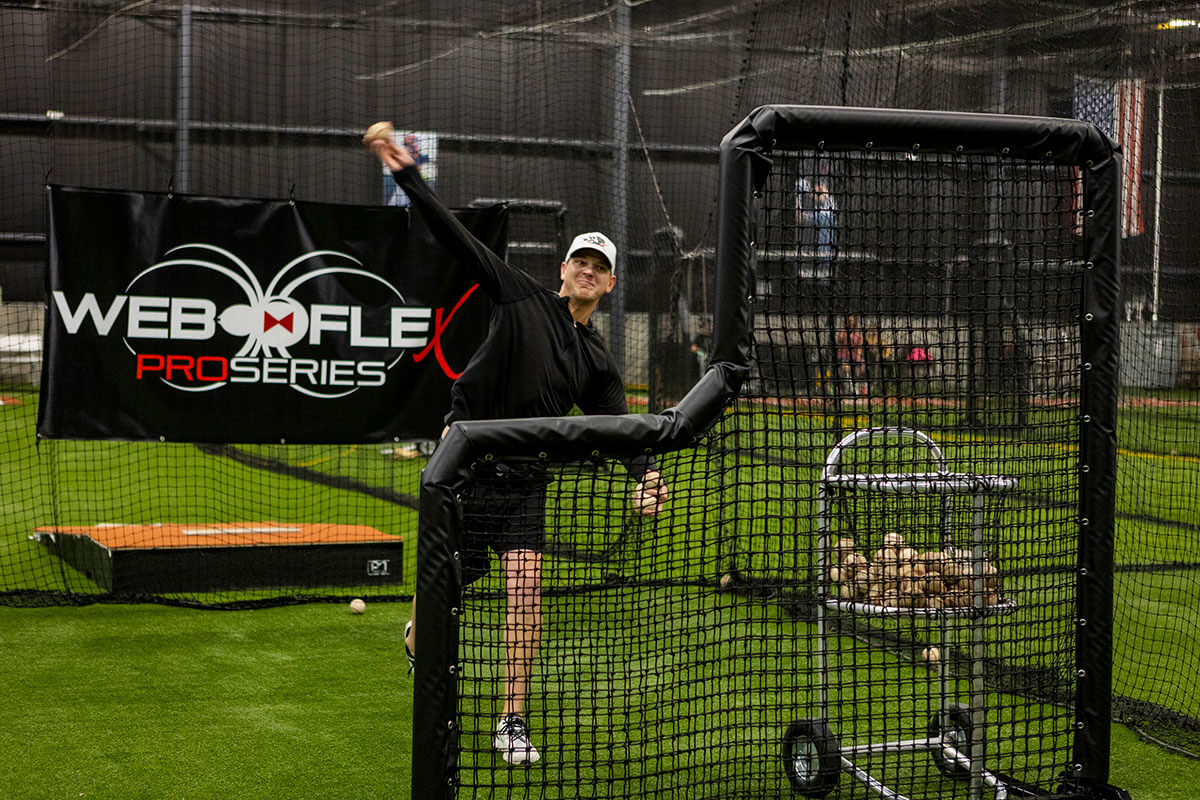
Coaches are throwing more batting practice, running tighter stations, and trying to maximize rep count in limited windows. That only works when players and staff are protected from live contact areas. A well-built L-screen, field screen, or pitching station helps create cleaner work zones and reduces hesitation during drills.
Parents are noticing this too. They are more likely to invest in gear that supports safe solo or small-group practice at home, especially when athletes are working on tee drills, soft toss, or rebound work outside a formal team setting. Safe practice equipment does not replace coaching, but it does make repetition easier to sustain.
The stronger trend inside safety is engineering. Buyers are paying more attention to frame strength, net tension, impact absorption, and overall stability. That is a smart move because safety equipment is only valuable when it keeps performing after repeated contact.
Multi-use gear is winning over one-trick products
A dedicated piece of equipment can still make sense if it solves a high-value training need. But in general, buyers are becoming more disciplined. They want gear that earns its footprint.
That is why rebounders, targets, nets, and training walls that support multiple drill types continue to gain ground. A player may use the same setup for fielding reps, throwing accuracy, reaction work, and warm-up touches. A coach may use one station across individual work, team stations, and small-group skill sessions.
This trend is especially important for garages, backyards, shared cages, and school storage rooms where space is limited. If a piece of gear can support hitting, throwing, and fielding development in different ways, it becomes easier to justify and easier to keep in the practice rotation.
There is a caution here, though. Multi-use should not mean watered down. The best gear still has to be strong in its core function. A rebounder that kind of works for six drills but performs poorly in all of them is not really versatile. It is just average.
Buyers are thinking in systems, not single products
This may be the most important shift of all. Instead of shopping one item at a time, more teams and families are building training systems. They are asking how a screen works with a net. How a target fits with mound work. How a rebound surface supports fielding days when the full team is not on the field.
That is a more mature way to buy equipment because softball development rarely depends on one perfect tool. Progress comes from stacking the right pieces together so reps happen more often and with less wasted time.
For a home user, that system might be a portable net, a tee, and a rebound tool. For a travel team, it might mean multiple protective screens, hitting stations, and field-side training aids that can be moved quickly. For a facility, it usually means heavier-duty infrastructure built for constant turnover and high-volume impact.
This is where product line clarity matters. Athletes and coaches benefit when gear is designed around real use cases, from lighter portable setups for flexible training to more rugged frames built for daily workloads. Web Flex Sports has leaned into that practical split well because it reflects how buyers actually train.
Durability is being measured differently
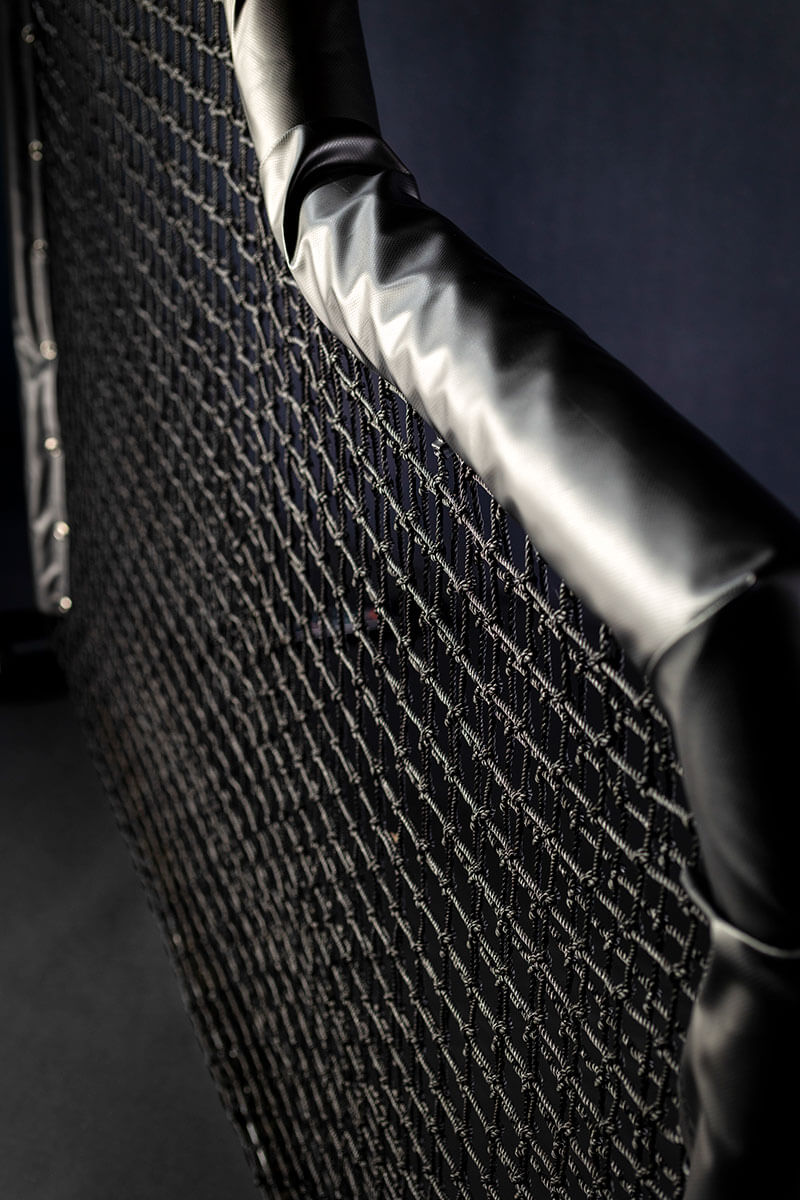
Years ago, durability was often treated like a vague promise. Now buyers are more informed. They look at welds, frame construction, wheel design, net attachment points, and how equipment handles repeated impact.
That change is pushing the market in a good direction. Softball families and coaches do not just want gear that survives occasional use. They want products that stay functional under pressure. A net that sags too early, a frame that shifts during contact, or a target that tears down fast creates more than frustration. It disrupts training rhythm.
Heavy-use programs are especially focused on long-term value. If a school or facility is putting equipment through daily work, the strongest option is not always the smallest or easiest to move. Sometimes the better decision is a more substantial piece that takes up more space but holds up longer and performs more consistently.
Training feedback is getting more immediate
Another important trend is the push toward gear that gives athletes clearer feedback during practice. That does not always mean electronics. In softball, simple visual and physical feedback tools are often more useful than flashy add-ons.
Targets help pitchers train with purpose. Rebounders return the ball in ways that sharpen hands and footwork. Training walls and controlled surfaces create repeatable feedback for defensive work. Batting stations that keep the ball contained allow hitters to stay focused on swing quality instead of chasing balls between reps.
The common thread is efficiency. Good gear shortens the gap between action and adjustment. That helps players stay locked in and helps coaches teach without stopping the session every few minutes.
What these trends mean before you buy
The best buying decision starts with honesty about your training environment. A backyard athlete with limited storage needs a different setup than a high school program. A travel coach moving gear every weekend needs something different from a private facility running lessons all day.
Start with volume, space, and movement. How often will this be used? Where will it live? Who has to set it up? How much impact will it take? Those questions usually matter more than whatever is newest.
If the gear trend does not lead to more reps, safer reps, or easier setup, it is probably not a trend worth chasing. The strongest products in this category are not winning because they look advanced. They are winning because they help athletes train more consistently.
That is where the market is headed, and it is a good thing for softball. Better gear should not distract from the work. It should make the work easier to start, safer to repeat, and tougher to outgrow.