
A varsity practice can get sloppy fast when the field setup does not match the workload. Balls pile up, coaches burn time moving equipment, and players wait for reps instead of getting them. A strong high school practice net example solves that problem by creating safer lanes, cleaner ball flow, and a setup that can handle daily baseball or softball use without falling apart halfway through the season.
For most high school programs, the right net system is not just about catching balls. It is about protecting coaches during front toss and batting practice, separating stations so multiple groups can work at once, and making practice more efficient from first whistle to cleanup. That matters even more when one field has to serve varsity, JV, and off-season skill work.
What a high school practice net example should actually do
A lot of schools buy nets one piece at a time and end up with a mismatched setup. One screen is heavy enough for game-speed work, another is too light for daily use, and a portable net gets dragged into jobs it was never built to handle. The better approach is to think about the practice environment first.
A high school net setup should create structure. That means one protected station for batting practice or front toss, one or more receiving nets for tee work and soft toss, and at least one flexible piece that can move between infield, outfield, and pitching stations. If the equipment cannot support repeat reps safely, it is not helping the program even if it looks good on day one.
Durability is the first filter. High school athletes hit harder, throw harder, and train with more volume than younger age groups. Frames need to stay square under impact, netting needs to absorb repeated contact, and joints need to hold up through transport, weather exposure, and constant setup. Portability still matters, but not at the expense of stability.
A practical high school practice net example for daily team use
A dependable setup for a high school baseball or softball program often starts with three core pieces. First is a heavy-duty protective screen for batting practice and front toss. Second is a portable practice net for skill stations and individual work. Third is a field or station net that gives the team flexibility when running multiple groups.
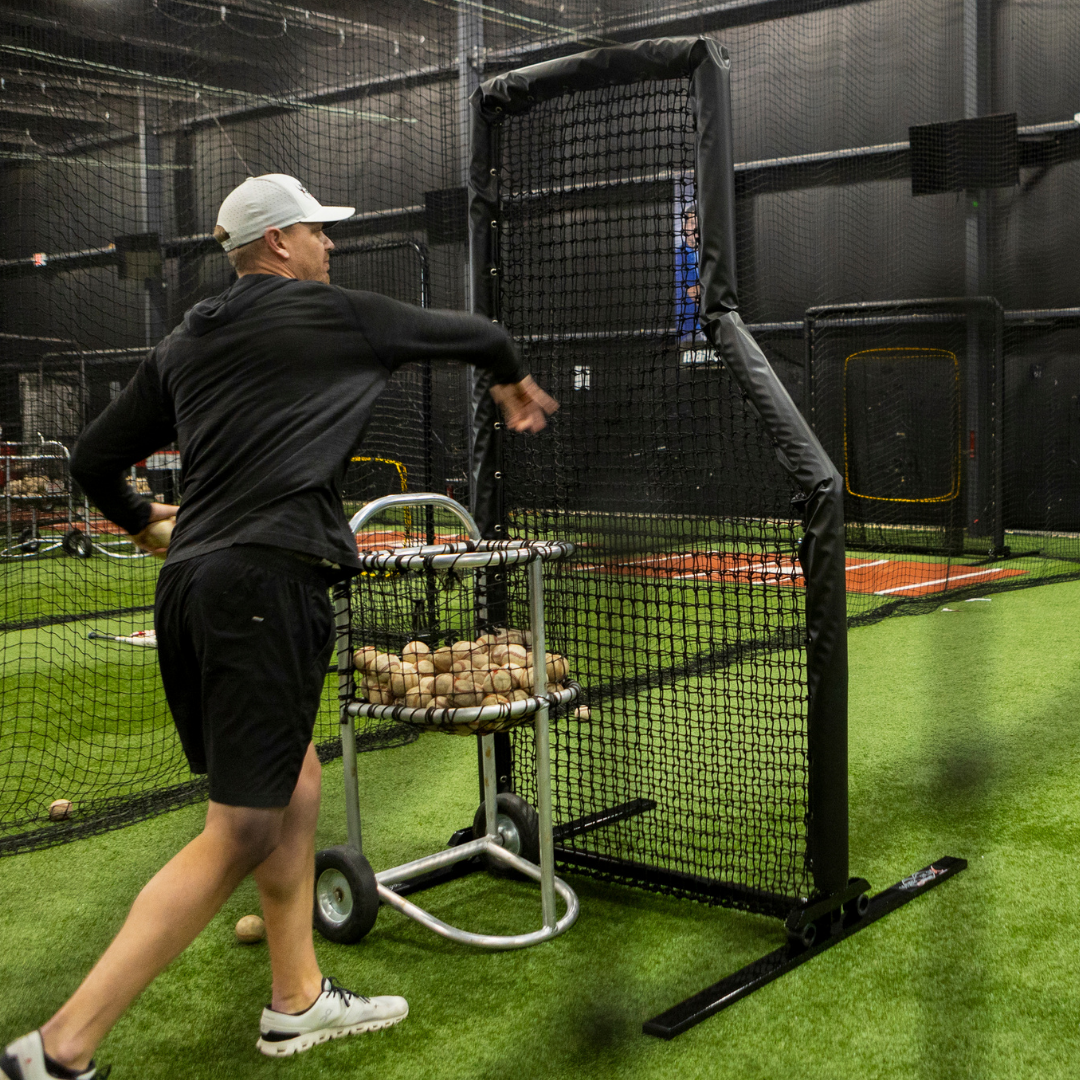
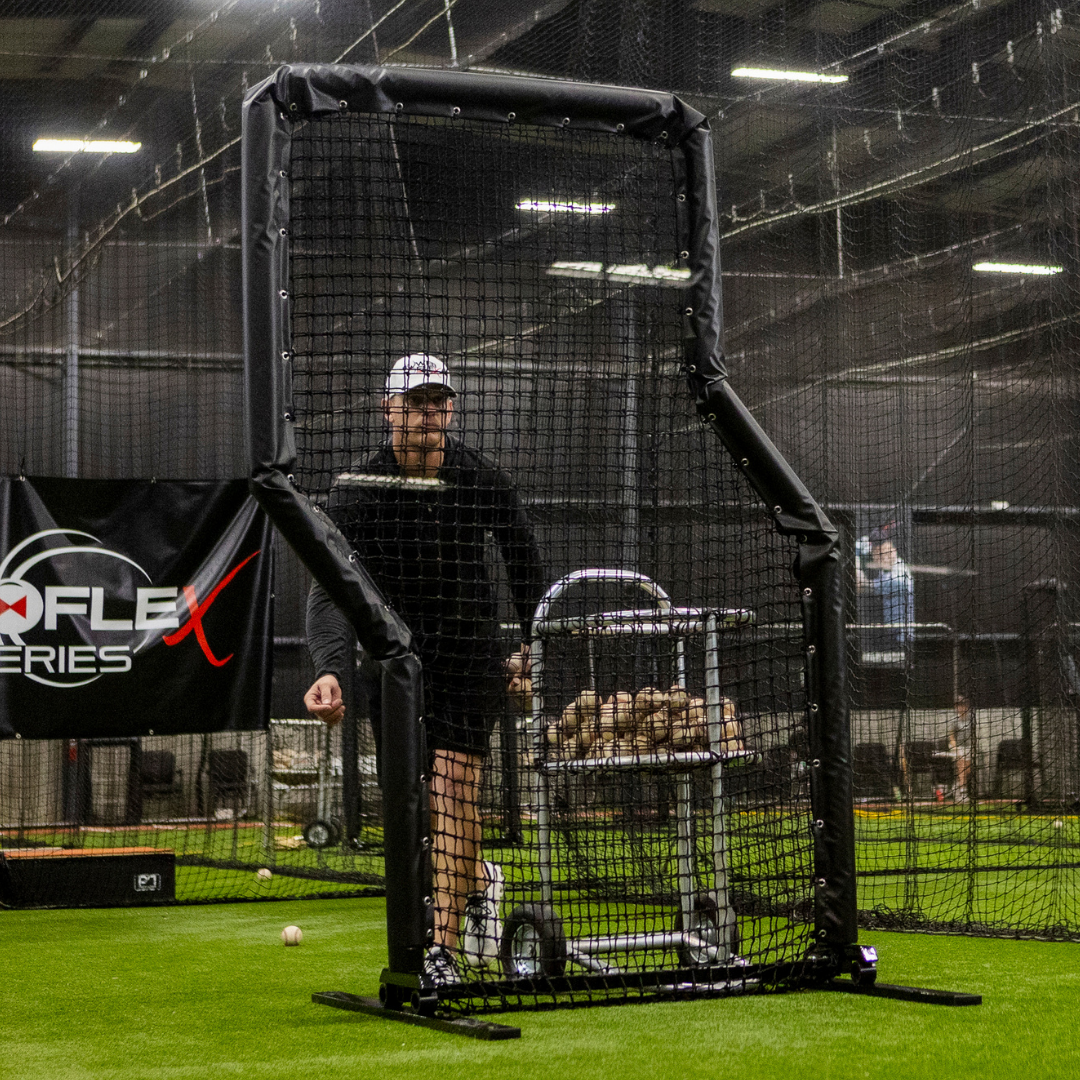
For example, a coach might build the cage-side station around an L-screen or Z-screen that protects the thrower during overhand flips, front toss, or machine-feed support. That screen needs a strong frame and net depth that can take repeated line drives without folding into itself. This is not the place to cut corners, because safety drives the whole session.
Next comes a portable net that can move where the reps are. During pre-practice, it may catch tee work behind the dugout. During team practice, it can shift to soft toss on the warning track or receiving work for pitchers. After school, it might end up in a gym, parking lot, or indoor facility corner. This is where portability earns its keep, especially for athletes who train outside full team sessions.
Then there is the utility piece. A rebounder, plyo wall, or large field net can support defensive work, throwing routines, and station-based drills. Not every team needs every option, but most programs benefit from equipment that can serve more than one skill block. When a practice tool works across hitting, fielding, and arm care, the return on use is a lot stronger.
The difference between portable and heavy-duty nets
This is where schools and families often get stuck. A lighter net system is easier to move, faster to store, and a smart fit for players who train in multiple locations. A heavier-duty screen or station net is better for programs with daily varsity use, higher exit velocity, and coaches who need consistent protection.
Neither option is automatically better. It depends on who is using it and how often. If the net will live in a truck, move to weekend workouts, or serve a player training at home, a portable design makes sense. If the net will be hit into every day by strong high school players and used by multiple teams, the priority shifts to frame strength, impact absorption, and long-term durability.
That is why many programs do best with a mix. A portable series fits individual work and travel needs. A pro-level screen belongs in high-volume stations where safety and lifespan matter most. Matching the gear to the rep load is smarter than asking one net to do everything.
Where coaches get the most value from this setup
The biggest gain is practice efficiency. With the right net layout, one coach can run front toss while another group handles tee work nearby and pitchers complete target drills without traffic crossing through the station. Fewer dead periods means more swings, more throws, and better use of the field.
The second gain is safety. Good screens reduce the risk for coaches and players feeding balls at close range. Stable nets also cut down on chasing balls into active lanes, which matters when several groups are working at once. In high school practice, safety is not separate from performance. It keeps the drill pace high and the environment under control.
The third gain is longevity. Equipment that survives a full season of hard use without constant repair saves time and protects the program from having to replace key pieces right when district play starts. Coaches do not need flashy gear. They need gear that shows up every day and handles impact without excuses.
How to choose the right high school practice net example for your program
Start with volume. If your net will be used by a full team five or six days a week, buy for institutional use, not occasional workouts. Frame construction, net tension, and impact handling matter more than compact storage in that situation.
Next, consider your training space. A school with a dedicated field house can support larger fixed-use screens and station nets. A program sharing space with other sports may need portable systems that break down quickly. Storage and transport are not side issues. They shape whether the equipment actually gets used.
Then look at who is setting it up. If players are responsible for moving gear, portability and simple assembly become more important. If the same coach is dragging a heavy screen across the field alone every day, that burden adds up fast. Tough equipment should still be practical to handle.
Finally, think about training goals. Baseball and softball programs that prioritize batting practice, front toss, and machine work need stronger protective screens. Programs focused on multi-station development may need a broader mix of nets, rebounders, and target tools. The best setup supports your real practice plan, not an idealized one.
What this looks like for baseball and softball
The core principles are the same in both sports, but the rep patterns can change the setup. Baseball programs often put more stress on batting practice screens and throwing stations across larger field dimensions. Softball programs may need quick transitions between hitting and defensive stations, especially when working in tighter indoor or shared spaces.
That means softball coaches may put a premium on compact portability and fast repositioning, while baseball programs may lean harder into heavy-duty protection for extended BP rounds. Still, both benefit from the same standard: equipment should improve safety, increase reps, and hold up to repeated contact.
A better standard for school equipment decisions
Too many buying decisions come down to what looks convenient in the moment. The better question is whether the net setup can support a season of real work. Can it protect the person feeding balls? Can it stay stable during hard contact? Can it move when needed without turning setup into a chore? Can it serve more than one drill block without wearing out?
That is the standard serious programs should use. It is also why brands built around training infrastructure matter. Web Flex Sports focuses on the difference between portable tools that help athletes train anywhere and pro-grade screens designed for high-repetition use. That kind of tiered approach gives schools, families, and coaches a clearer path to the right fit instead of forcing one solution on everyone.
A good net does more than catch baseballs or softballs. It protects your practice plan. When your setup is built for the pace, force, and repetition of high school training, everything runs cleaner - and your players get the kind of work that actually carries into games.