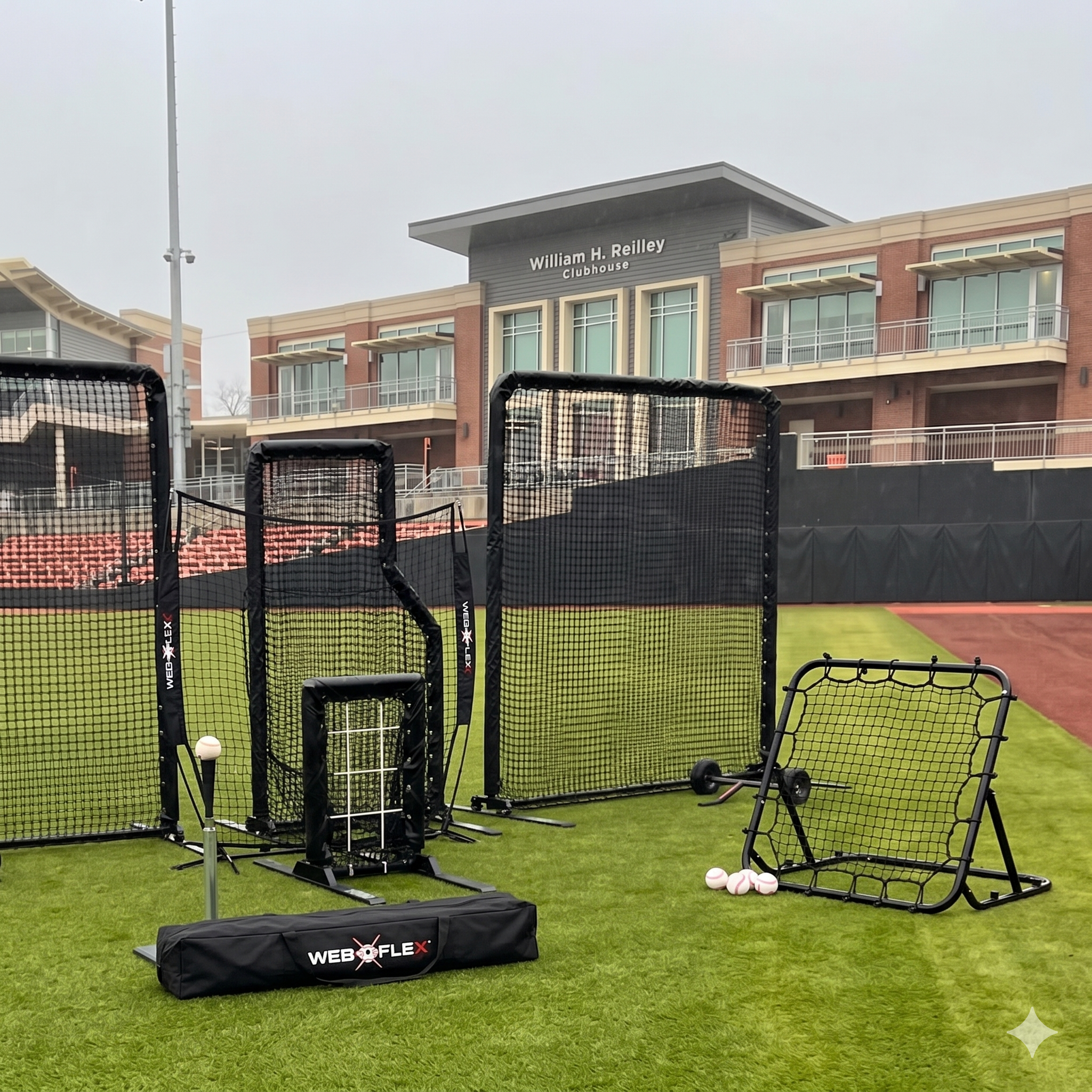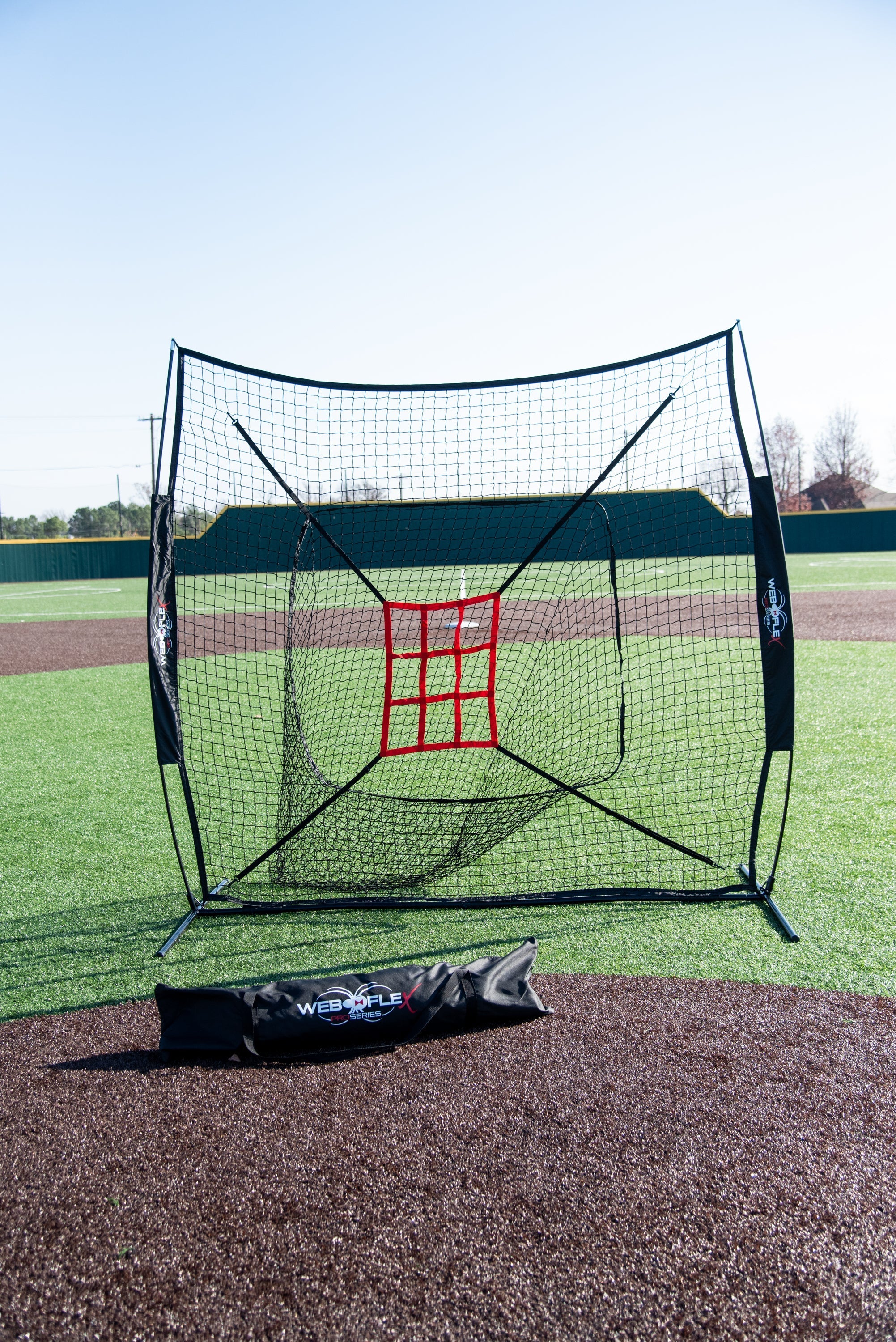

A screen that looks strong on day one can turn into a maintenance problem by midseason. In a busy training environment, a durable baseball screen for facilities has to handle daily batting practice, live front toss, machine work, and constant movement without becoming a weak point in the cage or on the field.
That is the real difference between buying a screen and investing in practice infrastructure. Facilities, school programs, and travel organizations do not just need something that stands up. They need equipment that keeps coaches protected, holds its shape under repeated impact, and stays functional through heavy use week after week.
What durability actually means in a facility setting
Durability is often reduced to a simple claim about heavy-duty construction, but that is only part of the story. In a facility, screens are exposed to high ball volume, rushed setup changes, uneven surfaces, and players who are not always gentle with gear. A frame can be thick and still fail early if the welds, joints, or wheel setup are not designed for repeated movement.
Netting matters just as much. A screen that absorbs hundreds of hard-hit balls every day needs net material that resists fraying, stretching, and premature tearing. If the pocket forms too quickly or the tension breaks down, the screen stops protecting the user the way it should. That creates a safety issue before it becomes a replacement issue.
For most coaches and facility operators, durability means four things working together - frame strength, quality netting, stable design, and practical mobility. Miss one of those, and the screen may still look good online but fall short where it counts.
Durable baseball screen for facilities starts with frame design
The frame is the foundation of the screen, and this is where serious buyers should slow down. Steel construction is typically the right choice for facilities because it offers the weight and stiffness needed for frequent, high-impact training. Lighter designs can make sense for travel or backyard use, but in a commercial or team setting, too much flexibility often becomes a liability.
That said, heavier is not automatically better. If a screen is hard to move, staff will drag it instead of rolling it, and that abuse adds up fast. The best facility screens balance strength with usability. A well-built frame should feel solid when hit, stay stable during drills, and still move efficiently between stations.
Joint construction is another area that gets overlooked. Repeated setup and breakdown, especially in indoor spaces where layouts change throughout the day, puts stress on connection points. Strong corners, dependable hardware, and reinforced stress areas usually matter more over time than marketing language about thickness alone.
Why stability matters during high-rep training
A facility screen is not sitting still for decoration. It is taking direct shots from batting practice, handling ricochets in close quarters, and protecting coaches who are focused on the hitter rather than worrying about equipment movement. If the base shifts too easily or the frame rocks on contact, the training environment gets less efficient and less safe.
This is especially true for L-screens and front toss screens. When coaches are throwing hundreds of reps in a session, they need confidence that the screen will stay in position and keep doing its job. Stable design reduces interruption, which is exactly what high-volume training demands.
Netting quality separates short-term gear from long-term gear
A lot of replacement headaches start with the net, not the frame. Facilities should pay close attention to net thickness, attachment method, and how the net hangs under repeated impact. A loose or poorly supported net may absorb the first few sessions just fine, but over time it can sag, wear unevenly, and increase the chance of balls slipping through vulnerable spots.
Knotless or well-finished netting can improve both performance and longevity, depending on the build. Edge reinforcement also matters. Many failures begin where the net connects to the frame, because that is where stress concentrates during hard contact. A durable screen should be built to handle impact in the center while also protecting the perimeter from early breakdown.
For indoor facilities, where screens often see year-round use, this becomes even more important. Outdoor programs may have seasonal wear patterns. Indoor operators often do not get that break. If your screen is active six or seven days a week, net durability is not a bonus feature. It is a core buying factor.
Matching the screen to the job
Not every facility needs the same type of screen, and this is where smart buyers avoid overbuying in one area and underbuying in another. If the screen is primarily for batting practice protection, an L-screen with strong frame support and quality net depth is usually the right move. If the goal is to create flexible hitting stations or protect multiple drill areas, field screens and portable protective screens may be more useful.
Multi-lane facilities often need a mix. A heavy-duty screen in the highest-volume cage makes sense, while lighter portable options can support overflow stations, soft toss work, or temporary outdoor setups. The key is to align the product with the training load.
Durable baseball screen for facilities by usage level
For lower-volume programs, portability may deserve more weight in the decision. A youth program that moves gear often and trains a few days a week may not need the heaviest build available. For high school, college, academy, and private training environments, daily repetition changes the equation. A stronger frame, better netting system, and more stable footprint usually deliver better long-term value because the screen is being tested constantly.
That is where product tiers matter. Some athletes and families need something easy to transport and simple to store. Facilities usually need a screen built for repeated impact and repeated handling. Those are not the same buying priorities, and treating them like they are often leads to disappointment.
Mobility is part of durability
This may sound backward, but a screen that moves well often lasts longer. When equipment is easy to reposition, coaches and staff are more likely to handle it correctly. Quality wheels, balanced weight distribution, and a design that rolls cleanly across turf, concrete, or gym flooring reduce the wear caused by dragging, tipping, or forcing awkward turns.
Facilities change fast. One hour it is batting instruction, the next it is team defense work, pitching lanes, or cage rentals. Equipment needs to keep up without becoming a burden. A screen that is durable but frustrating to move can slow down operations and create unnecessary damage over time.
This is one reason many serious programs look for training gear designed with both toughness and practical setup in mind. Brands built around real-use training environments, including Web Flex Sports, understand that the best screen is not just the one that survives impact. It is the one that keeps performing through the daily rhythm of a busy facility.
What buyers should look for before they commit
Pictures and broad claims only tell part of the story. Facility buyers should pay attention to how the screen is expected to be used, how often it will be moved, and what kind of hitters or machines it will face. A youth instructional space has different demands than a varsity practice facility or a private performance center.
Warranty support is worth noting too, especially for programs investing in multiple pieces of protective equipment. A strong warranty can signal confidence in the frame design and long-term construction. It should not replace a close look at materials, but it is part of the trust equation.
It also helps to think in terms of total workload, not single sessions. Ten players taking rounds a few times a week creates one level of stress. Back-to-back lessons, team rentals, and machine reps from morning to night create another. The more volume a screen sees, the more important premium construction becomes.
The trade-off between portability and maximum toughness
Every screen purchase involves a trade-off. Portable models are easier to transport, easier to store, and often a better fit for families, travel teams, or coaches working across multiple locations. Heavier-duty models usually offer better stability, longer wear life, and more confidence in high-rep settings.
Neither approach is automatically right. It depends on the environment. If your facility runs packed schedules and expects equipment to stay in service with minimal downtime, toughness should lead the decision. If your setup changes constantly and gear is going in and out of vehicles or storage, a more mobile design may be the smarter call.
The mistake is assuming one screen can be perfect at everything. The better approach is to be honest about your training volume, your space, and how your staff actually uses equipment day to day.
A durable baseball screen for facilities should earn its place through repetition. It should protect coaches, hold up under pressure, and keep your training environment moving without constant adjustments or replacement concerns. When a screen is built the right way, it stops being just another piece of gear and starts becoming part of how your program trains smarter every day.