
The difference between a productive weekend and a frustrating one usually shows up before the first swing. A bent frame, a net that sags after a few rounds, or a screen that feels shaky in live BP can turn travel ball practice gear into one more problem to manage. For players, coaches, and parents who are already juggling fields, tournaments, school, and training schedules, the right setup needs to do three things well - hold up, move easily, and make every rep safer.
What travel ball practice gear really needs to do
Travel ball puts equipment in a different category than casual backyard use. Gear gets loaded into cars, dragged across parking lots, set up on uneven grass, and used for high-repetition work by multiple players in the same day. That means the question is not just whether a piece of equipment works when it is new. The real question is whether it still works after months of batting practice, front toss, pitching drills, and team workouts.
Durability matters because repetition matters. A screen or net that cannot take consistent impact becomes a weak point fast. Portability matters because most travel ball families and coaches are not training in one permanent location. Safety matters because batting and pitching work moves quickly, and practice gets inefficient when coaches have to slow everything down to work around unreliable gear.
The best equipment does not simply survive practice. It helps practice run cleaner. That is a big difference.
The core travel ball practice gear worth buying first
Not every player or team needs a full facility-style setup. Most buyers get better results by building around a few foundational pieces that cover the highest-volume drills.
Protective screens
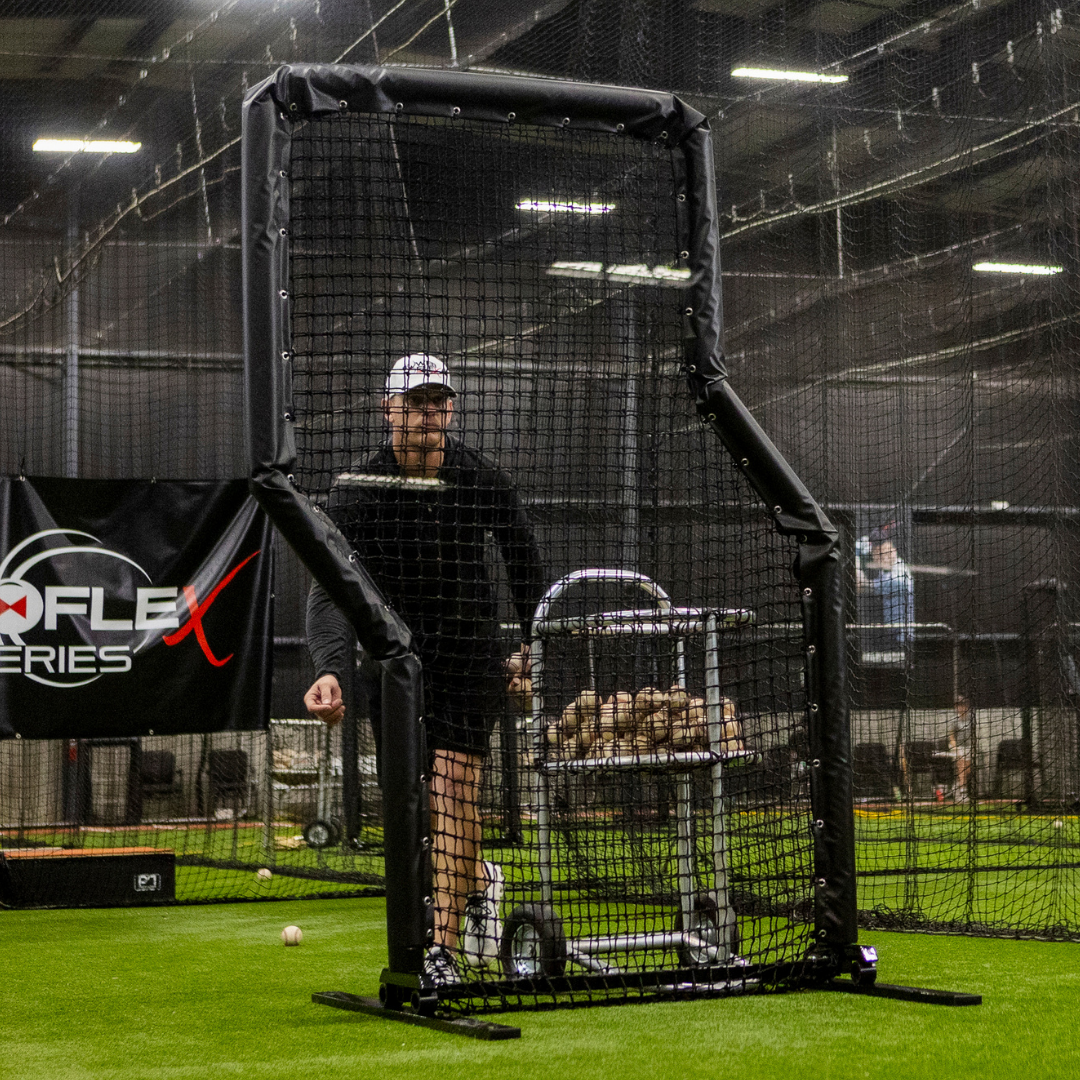
If there is one category that consistently earns its place, it is the protective screen. L-screens and Z-screens are essential when pitchers, coaches, or machines are feeding hitters through repeated rounds. A strong frame and quality netting are not small details here. They are the reason batting practice can move at game speed without unnecessary risk.
For younger players or families training on the move, lighter portable options make sense. They are easier to load, easier to carry, and quicker to set up at local fields or open spaces. For teams, schools, and private instructors running heavy weekly volume, a more premium screen is usually the better long-term move because it stands up to repeated impact and constant use.
Portable batting and pitching nets
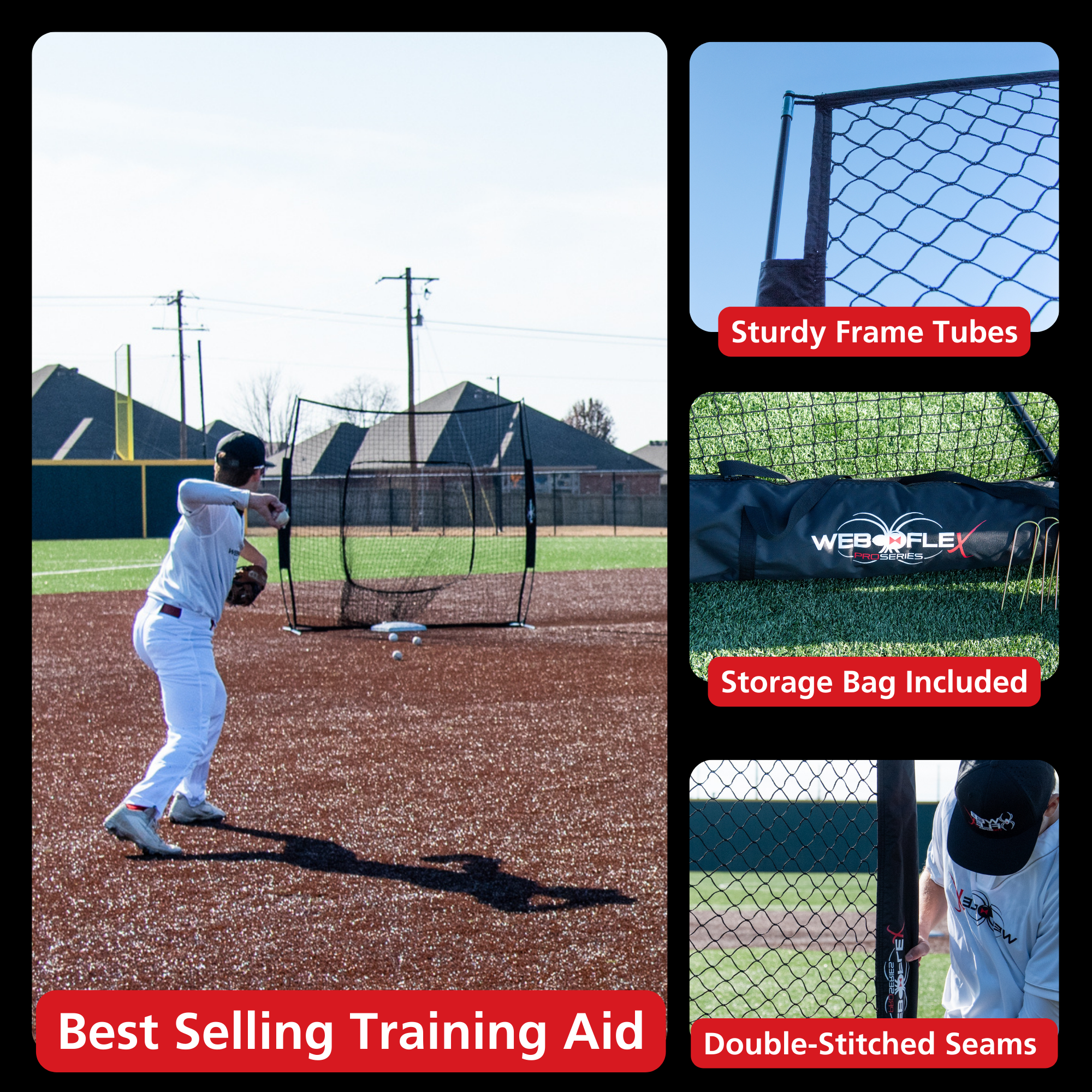
A portable net system does more than catch baseballs or softballs. It creates structure. Players can get tee work done without spraying balls across a field, pitchers can throw into a clear target area, and families can set up quick sessions without needing a full team practice environment.
This is one of the most versatile pieces in any training setup. It works in backyards, cages, side fields, and warm-up areas. The trade-off is simple: ultra-light nets are easier to transport, but heavier-duty systems usually last longer and stay more stable during aggressive use. If your athlete trains several times a week, durability should carry more weight than minimal pack size.
Rebounders and return trainers
When fielding reps matter, rebounders earn their keep quickly. They allow infielders and outfielders to work on hands, footwork, reaction time, and transfer mechanics without needing a full team on the field. They also help maximize short practice windows, which is critical for travel ball families trying to fit skill work around school and tournaments.
The most useful rebounders are the ones that stay consistent. If the angle changes too easily or the frame shifts after repeated contact, the drill quality drops. Good training equipment should create repeatable reps, not random ones.
Pitching targets and command tools
Velocity gets attention, but command wins innings. Portable pitching targets give pitchers a clear visual focus and make bullpen sessions more efficient. They are especially useful when paired with net systems because they allow a player to train with purpose even in a limited space.
This category is often overlooked by families who focus first on bats and gloves. But for pitchers, and even position players working on arm accuracy, target-based practice gear can create better outcomes with less wasted time.
Matching the gear to the user
One of the biggest mistakes in this category is buying based on ambition instead of usage. A family with one athlete does not need the same setup as a high school program or private training facility. On the other hand, a coach running team practices three or four days a week should not rely on lightweight gear built only for occasional use.
For individual players and travel families, portability is usually a top priority. The best fit is often gear that breaks down quickly, fits in a vehicle without drama, and still delivers enough strength for regular hitting and throwing work. This is where budget-conscious portable lines can make a lot of sense, especially for athletes who need dependable function without overbuilding the setup.
For coaches and organizations, volume changes the equation. Repeated impact, multiple users, and longer practice blocks create more wear. In those environments, heavier-duty frames, stronger net attachments, and premium engineering are not luxury features. They are what keep practice moving and reduce replacement cycles.
That is why product tier matters. A lighter, more travel-friendly line fits one kind of buyer. A professional-grade line with advanced shock absorption and long-term frame protection fits another. Neither choice is automatically better. The better choice is the one that matches how often the gear will be used and how hard it will be pushed.
What separates good gear from gear that gets replaced too soon
A lot of equipment looks similar online. The difference usually shows up in the details you notice after ten, twenty, or fifty sessions.
Frame strength is a big one. Repeated impact stress will expose weak construction fast, especially in screens used for live batting practice. Net quality matters just as much. Netting that stretches too much, frays early, or loses tension can make a once-solid product feel worn out long before it should.
Setup design also matters more than most buyers expect. If gear takes too long to assemble, it gets used less. If it is awkward to fold down or transport, it starts staying in the garage. Training equipment should remove friction from practice, not add it.
Then there is stability. Portable gear does not need to be bulky, but it does need to stay put. A net or screen that shifts during use affects both safety and rhythm. Strong training sessions depend on equipment that feels dependable from the first rep to the last.
Building a smarter practice setup
The smartest practice setups are usually not the biggest. They are the ones that cover the most common training needs without wasting money or space.
A hitter can get a lot done with a tee, a durable net, and a screen for front toss or live reps. A pitcher can build productive sessions with a net and a command target. A team can dramatically improve practice flow by adding the right protective screens and rebound tools instead of overcomplicating the field with equipment that rarely gets used.
This is where practical buying beats impulse buying. Start with the drills you actually run every week. Then choose equipment that supports those reps safely and consistently. If the gear improves efficiency, protects players and coaches, and survives regular use, it is doing its job.
For serious baseball and softball training, that standard matters. Web Flex Sports is built around that idea - equipment should help athletes train harder without creating new problems.
Why safety and efficiency belong in the same conversation
Some buyers think of safety features as separate from performance. In practice, they are connected. When coaches trust their screens, when nets contain balls reliably, and when practice stations stay organized, training moves faster. Reps increase. Transitions improve. Players spend more time working and less time chasing balls or resetting equipment.
That is especially important in travel ball, where practice time is often limited and every session has to count. Safe gear is not just about preventing bad outcomes. It is about creating an environment where players can train aggressively and coaches can teach without hesitation.
The best travel ball practice gear does not need hype. It proves its value when the setup is fast, the reps are clean, and the equipment is still performing deep into the season. Buy for your training volume, not just your wishlist, and your gear will start working like a real part of player development instead of a temporary fix.
When practice equipment earns trust, players stop thinking about the setup and start focusing on getting better.