
The fastest way to waste a practice is to use gear that slows everything down. Nets that tip, screens that wear out, and training tools that sit in the garage after one weekend do not help players get better. The right youth baseball training equipment should do three things well - protect players and coaches, create more quality reps, and hold up through a full season of real use.
That matters even more in youth baseball, where development depends on repetition and attention span is short. If setup takes too long or a station feels clunky, players lose focus. If equipment is flimsy, coaches pull back on intensity. Good training gear keeps practice moving and gives athletes a safer, more consistent way to build skills.
What youth baseball training equipment should actually do
A lot of parents and coaches buy based on a single need. They need a net for batting practice or a screen for front toss, so they grab the first option that looks decent. The better approach is to think in terms of training function.
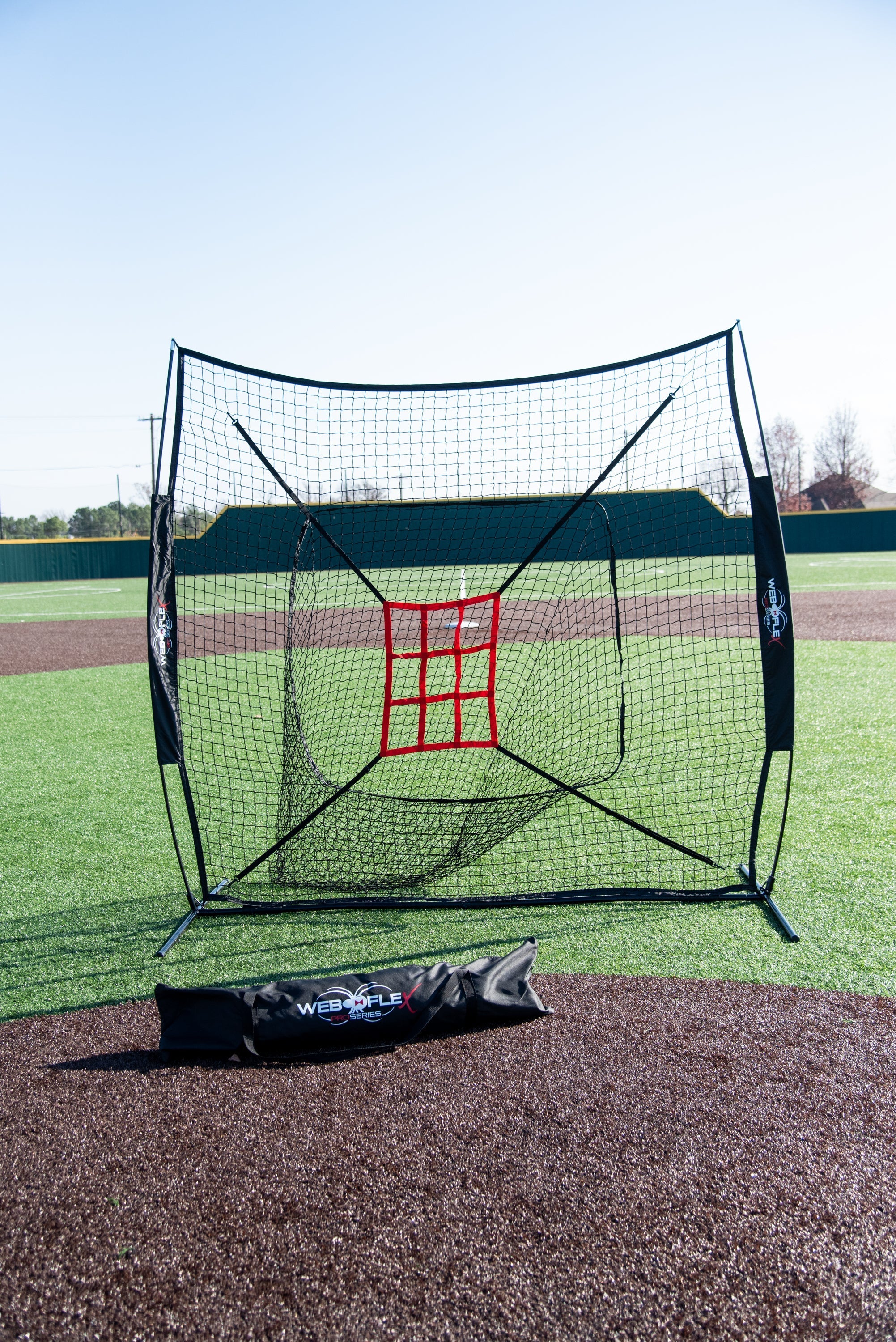
For most youth players, equipment should support repeatable work in hitting, throwing, fielding, and pitching mechanics without creating unnecessary risk. A portable net helps capture reps in the backyard or at the field. A solid protective screen lets coaches throw batting practice with more confidence. A rebounder can turn a small space into a fielding station. A pitching target gives younger players a visual goal instead of asking them to throw into open air and guess where the ball is going.
The trade-off is simple. Lightweight gear is easier to move and store, but heavy-duty equipment usually handles more volume and more impact. That does not mean every 10-year-old needs a facility-grade setup. It means buyers should match the equipment to how often it will be used, who will use it, and where it will live.
Start with safety, then build the setup
Safety is not the flashy part of a buying decision, but it should be the first one. The biggest mistake in youth practice environments is underestimating how fast reps add up. A coach flipping front toss for 30 minutes or pitching behind a weak screen puts too much trust in equipment that may not be built for repeated impact.
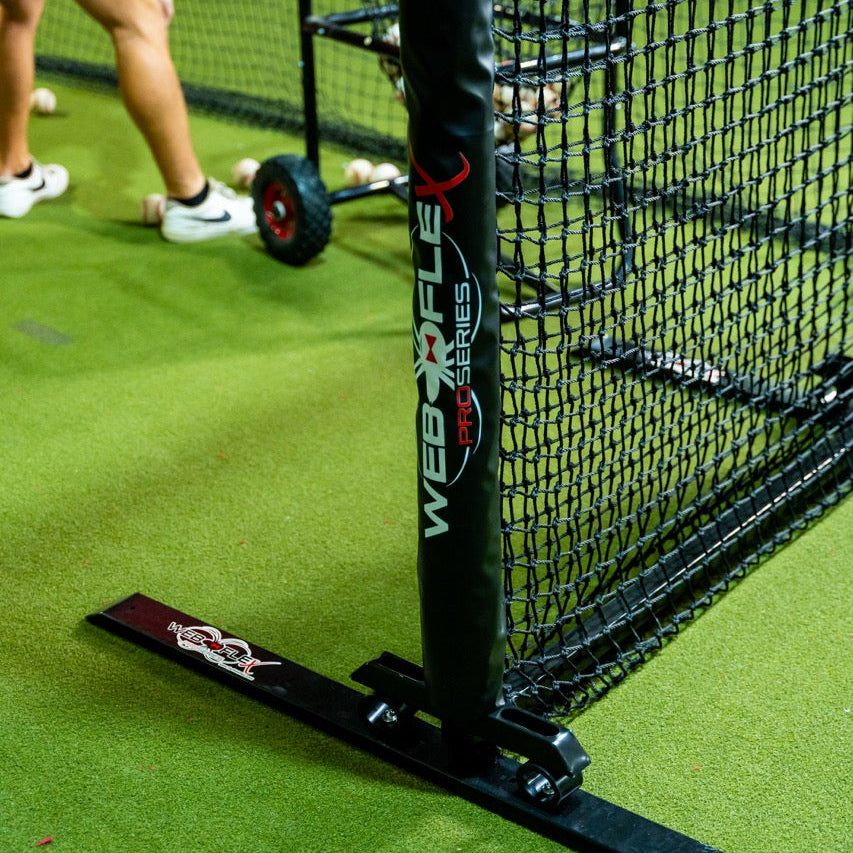
Protective screens matter because they let coaches stay active in practice without exposing themselves to unnecessary line drives. For team settings, stronger frames and impact-resistant netting make a real difference over time. For home use, portability may matter more, but the screen still has to stay stable through live contact.
The same logic applies to nets and rebounders. A net that folds easily is useful, but only if it can take daily swings. A rebounder should send the ball back consistently enough to reinforce good hands and footwork, not create random hops that waste reps. Good design is not just about convenience. It shapes the quality of the workout.
The core categories that make the biggest impact
If you are building a practical setup, there are a few categories that tend to deliver the most value.
Protective screens are near the top because they support batting practice, front toss, and pitching work while helping shield coaches, players, and machines. They are one of the smartest long-term investments for teams and training environments that run frequent live reps.
Portable nets are the everyday workhorses. They are useful for batting, tee work, soft toss, and throwing drills, and they make cleanup faster. For families and travel ball players, portability matters because gear often moves from the backyard to cages to tournaments.
Rebounders and plyo-style training tools help create efficient solo or small-group reps. They are especially useful when practice space is tight or when players need more touches without requiring a full team on the field.
Pitching targets and strike zone trainers give younger athletes structure. That sounds basic, but visible targets help players understand intent. Throwing with a purpose is a lot more productive than just throwing hard.
For advanced youth players or team environments, portable mounds and skill-specific training stations can add a lot. But those are usually second-wave purchases. Most athletes see better returns by first getting dependable gear for hitting, throwing, and coach protection.
How to choose youth baseball training equipment by player level
Not every player needs the same setup. A beginner often benefits most from simple, repeatable tools that reduce chaos. A net, a tee, a rebounder, and a target can cover a lot of ground without overwhelming the athlete.
Serious travel ball players usually need equipment that can handle more volume. Their practice schedules are tighter, their reps are more intentional, and their gear gets moved often. In that case, durability and portability have to work together. Equipment that breaks down quickly is not a bargain if it has to be replaced midseason.
For school programs and private instructors, the standard rises again. High-use environments need stronger frames, better net retention, and equipment that stays stable through constant setup and teardown. This is where premium construction matters most. Lifetime frame protection and shock-absorbing engineering are not just selling points in those settings. They are practical advantages.
Portable versus heavy-duty - which matters more?
It depends on the training environment.
If you are a parent setting up in the backyard, portable equipment often makes more sense. You need fast setup, easy storage, and enough toughness to handle regular sessions without taking over the whole garage. The best portable systems are built for movement but still feel secure when the work starts.
If you are coaching a team, running camps, or managing a facility, heavy-duty gear usually wins. It takes more abuse, handles more impact, and creates a more dependable training station day after day. That reliability matters when multiple players rotate through the same station and no one has time to babysit the equipment.
This is also where tiered product lines make sense. Some athletes need lightweight, travel-friendly gear that gets them quality reps anywhere. Others need pro-level infrastructure built for high-volume use. The right choice is the one that fits your schedule, your environment, and your rep count.
What coaches and parents should look for before buying
Durability should be obvious, but buyers often stop at frame material and forget the rest. Net quality, connection points, stability, and how the product handles repeated ball impact all matter. A strong frame with weak netting is still a weak setup.
Ease of assembly is another big one. Youth practice runs better when adults spend less time wrestling with equipment and more time coaching. Fast setup is not a luxury. It increases the odds that the gear gets used consistently.
Portability matters differently depending on the buyer. For families, it usually means folding, carrying, and loading gear without hassle. For teams, it can mean moving equipment from storage to the field several times a week. In both cases, practical portability is more valuable than a product that is technically mobile but awkward in real life.
Finally, think about how one product fits into a larger training system. The best purchases often support multiple drills instead of a single narrow use. A screen that protects during front toss, batting practice, and machine work earns its place quickly. A net that serves hitting and throwing sessions becomes part of the weekly routine instead of a specialty item.
Building a setup that grows with the player
The smartest equipment purchases are not always the biggest ones. They are the ones that stay useful as the athlete improves.
For younger players, that might mean starting with a net, a target, and one fielding tool. As the athlete develops, protective screens, rebounders, and more advanced throwing or pitching stations can expand the setup. That approach keeps the training environment focused while avoiding the common mistake of buying too much too soon.
For teams, growth looks different. It means choosing infrastructure that can handle increased intensity across seasons. A stronger screen, better net system, or more durable training wall may cost more upfront, but it saves time, replacement headaches, and disruption later.
That is where a brand built around serious repetition earns trust. Web Flex Sports serves athletes, parents, and coaches who want equipment that works hard, travels when needed, and stands up to real practice volume.
The best gear is the gear that gets used
There is no perfect one-size-fits-all answer in youth baseball. A backyard hitter, a travel ball family, and a high school coach all need something different. But the standard stays the same. Equipment should make practice safer, sharper, and easier to repeat.
If a piece of gear helps players get more quality reps with less downtime and more confidence, it is doing its job. Buy for the way you actually train, not the way you imagine training once in a while. The right setup does not just fill space on the field. It helps young players come back tomorrow ready to work again.