
A flat patch of grass can work for casual catch, but it falls short when a pitcher needs real mound work. A portable pitching mound for backyard training gives players a more game-like slope, better lower-half mechanics, and a practice setup that does not depend on a full field being available. For families, coaches, and athletes trying to get quality reps at home, that matters.
Backyard training is usually a battle between convenience and realism. You want something easy to move and store, but you also want the pitcher to feel a true throwing surface under the cleats. The right mound bridges that gap. It helps turn a backyard bullpen from improvised practice into repeatable development.
Why a portable pitching mound for backyard training matters
Pitchers build habits fast. If they throw off flat ground all the time, the timing and direction of the delivery can change. That does not mean flat-ground work has no value. It does. But when the goal is to rehearse game-speed mechanics, feel the slope, and train the body to move downhill with intent, a mound changes the quality of the rep.
That is especially true for youth and high school players who are still learning how to control posture, stride direction, and finish. A backyard mound creates a more specific training environment without requiring access to a full facility. For busy families and coaches, that means more consistent work and fewer missed opportunities between team practices.
There is also a durability and field-preservation benefit. Repeated throwing from the same spot in a backyard can chew up grass and create uneven landing areas. A portable mound gives the player a defined surface designed for repetition, which can help keep footing more stable over time.
What separates a good mound from a frustrating one
Not every portable mound performs the same way. Some are built for occasional home use and easy transport. Others are made for heavier rotation work, team use, and long-term wear. The right choice depends on who is throwing, how often they are throwing, and how much abuse the equipment needs to handle.
The first thing to look at is surface stability. A mound should feel secure under the feet, not soft, slick, or unpredictable. If a pitcher is worried about slipping during the drive phase or landing awkwardly out front, the training value drops immediately.
Weight matters too, but not in a simple way. A lighter mound is easier to carry and reposition around the yard. That is a real advantage for families who need quick setup and cleanup. The trade-off is that ultra-light options can move more during use or feel less planted. Heavier models often feel more solid, but they ask more from whoever is moving them.
Then there is the slope itself. A backyard mound should create a natural transition into the delivery, not a steep or awkward angle that changes movement patterns. If the slope feels off, pitchers may compensate with posture or timing adjustments. That is the kind of detail serious players and coaches notice quickly.
Choosing the right size and style
A portable pitching mound for backyard use should match the athlete first, not just the available space. Younger players often do well with smaller, easier-to-manage designs that support basic mechanical work. Older players, stronger athletes, and pitchers throwing at higher intensity usually need a more substantial platform with better footing and stronger overall construction.
Space is the next limiting factor. Some backyards can handle a full bullpen lane with room for a catcher, screen, and target. Others need a tighter footprint. If the setup area is limited, portability becomes even more important because the mound may need to come out only for work sessions and then be moved off the grass afterward.
There is also a usage question. If the mound is mainly for one athlete getting weekly bullpens, a travel-friendly model may be the smart fit. If it will be used by siblings, teammates, or a coach running repeated sessions, step up to something built for higher volume. More reps expose weak construction fast.
Backyard setup matters as much as the mound
Even a well-built mound can underperform if the setup is sloppy. The surface underneath should be as level and firm as possible. A mound placed on uneven ground can rock, create inconsistent footing, or change the angle of the front landing area. That affects command work and can also create unnecessary risk.
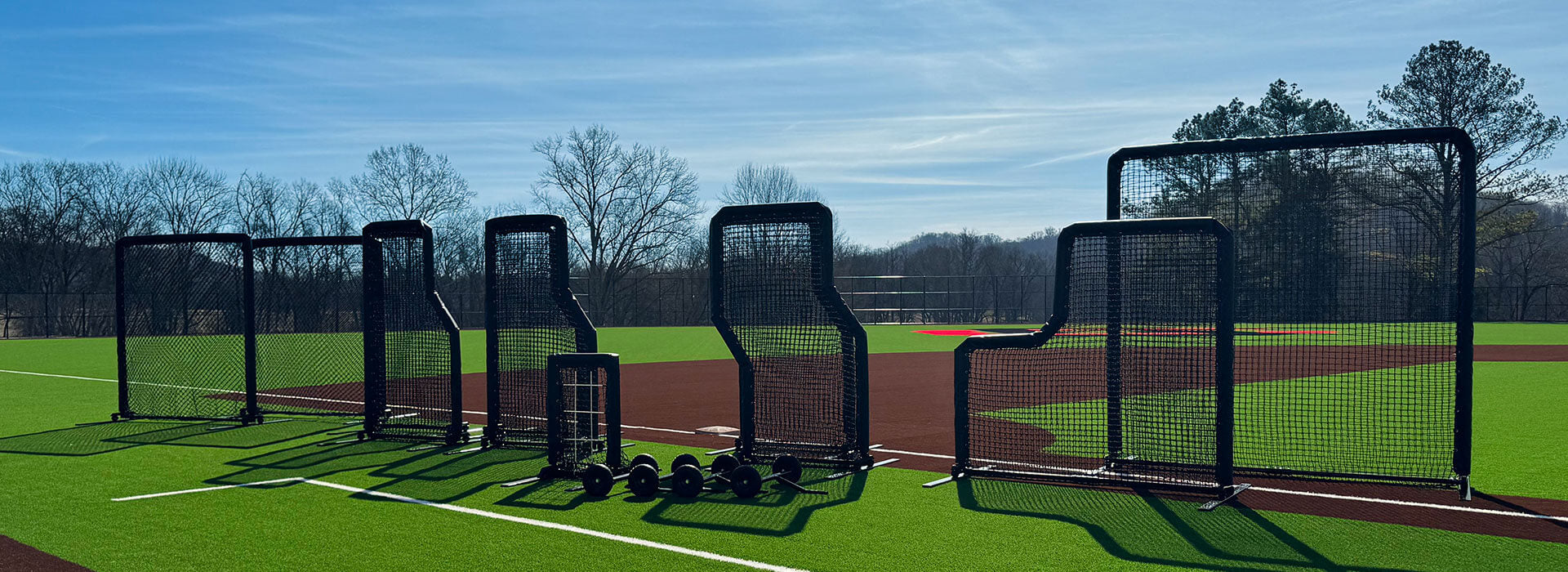
Think about the full training lane, not just the mound itself. The pitcher needs enough room to work freely and finish the delivery without running into obstacles. The catcher or target area should be clearly defined. If hitters will be involved at any point, protective screens become part of the conversation quickly.
Backyard practice works best when it is efficient. A setup that takes too long often gets used less. That is why serious buyers tend to value products that are not just portable on paper, but realistically movable by a parent, coach, or athlete without a hassle.
Durability is not a bonus feature
For training equipment, durability is performance. If a mound breaks down, shifts underfoot, or loses traction, the workout suffers. Players who train consistently need equipment that holds shape, handles weather exposure responsibly, and stands up to repeated cleat contact.
This is where build quality becomes more than a product spec. It affects confidence. A pitcher should be able to attack a bullpen without thinking about whether the front edge will slip or the surface will wear unevenly after a short run of sessions.
Families sometimes underestimate how quickly volume adds up. A couple bullpen sessions a week, plus warm-up throws and mechanical drills, becomes a lot of foot traffic. Coaches and programs know this already. Home users usually feel it once the equipment has been in rotation for a season. Buying for real use instead of best-case use is the smarter move.
Who needs portability most
Portability means different things depending on the buyer. For a travel ball family, it may mean loading the mound into a vehicle for private lessons, team practice, or tournaments. For a parent at home, it may mean dragging the mound from the garage to the yard without needing help. For a coach, it may mean setting up quickly across multiple practice environments.
That is why the best portable option is not always the lightest one. It is the one that fits the actual routine. If the mound will stay in one backyard most of the time, a little more weight for added stability may be the better trade. If it needs to move often, easier transport becomes a bigger priority.
Brands that understand real training environments tend to design around that balance. Web Flex Sports has built its reputation on equipment that values toughness, portability, and practical performance, and that mindset matters in a category where buyers need gear to work beyond the first few sessions.
How to know if a backyard mound is worth it
A portable mound is worth it when it increases training quality enough that the athlete uses it consistently. That usually comes down to three things. First, the pitcher gets game-relevant reps at home. Second, setup is simple enough that the mound does not become dead storage. Third, the construction holds up well enough that the athlete trusts it.
For some players, especially beginners, flat-ground work and simple drill setups can still cover a lot of developmental ground. For others, especially pitchers preparing for game competition, a mound becomes one of the most useful pieces of backyard training equipment they can own. It depends on age, training goals, throwing intensity, and how often the athlete needs bullpen work outside team practice.
The best buying decisions usually come from being honest about usage. If the goal is occasional fun, almost any mound-style platform may feel good enough. If the goal is building repeatable mechanics, sharper command, and more efficient bullpen sessions, quality matters a lot more.
A good backyard setup should make it easier to train with intent, not just easier to say you trained. When a portable pitching mound gives a player solid footing, a true slope, and reps that translate, the backyard stops being just open space and starts becoming part of real development.