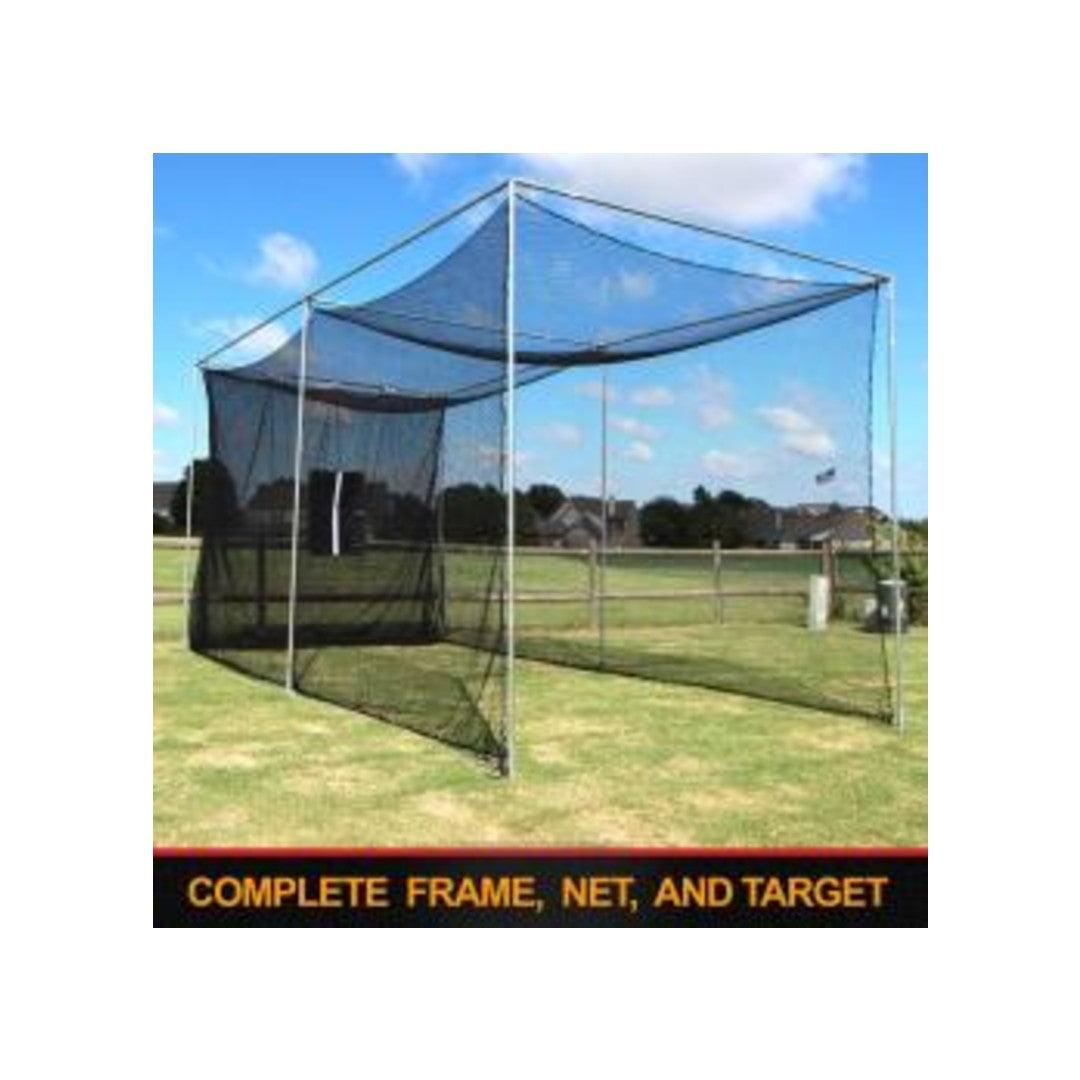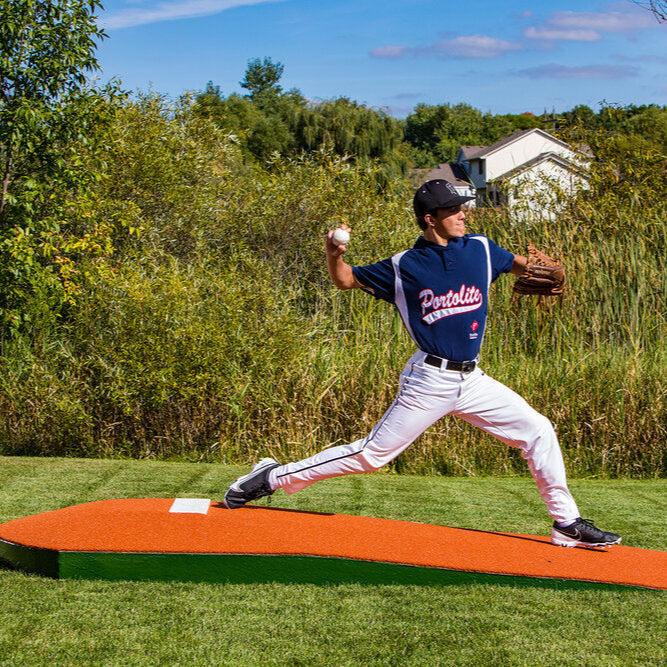

A cracked frame in the middle of batting practice does more than slow down reps. It changes the whole session. Coaches lose rhythm, pitchers get exposed, and players spend more time waiting than working. That is why the right field screen for baseball practice is not just another piece of equipment. It is part of how you run a safer, sharper, more efficient workout.
For some teams, a screen only needs to survive a few weekly cage sessions. For others, it has to handle daily batting practice, front toss, machine work, and constant setup and teardown. That difference matters. A screen that works for a travel family in the backyard may not hold up for a high school program or a private facility pushing through heavy rep counts every day.
What a field screen for baseball practice actually needs to do
At a basic level, a field screen protects people and creates structure during training. It gives coaches a barrier during fungo work, shields pitchers during batting practice, and helps direct drills so players can move with purpose instead of dodging live balls.
But the better question is not whether you need one. It is what kind of work your screen needs to handle. If your practices include live overhand throwing, hard-hit comebackers, or machine-fed hitting sessions, your screen needs real stability. If you move from field to field or pack equipment into a vehicle after every session, weight and portability start to matter just as much as toughness.
A good screen should not feel like a compromise between safety and convenience. It should match the pace and intensity of your training environment.
How to choose a field screen for baseball practice
The smartest buying decision usually starts with volume of use. A backyard hitter taking a few rounds after school does not need the same frame strength as a varsity coach running dozens of hitters through batting practice. Heavy use exposes weak welds, low-grade netting, and unstable bases fast.
Frame construction is the first place to look. Stronger frames stay square after repeated contact and hold their shape when balls hit the same area over and over. That matters in real training because the center of the screen takes abuse. If a frame starts to flex too much or the net hangs unevenly, protection drops and frustration goes up.
Net quality matters just as much. A frame can be solid, but if the net wears early or loses tension, the screen stops doing its job. For baseball settings with regular hard contact, durable netting and a secure attachment system are worth paying attention to. The goal is simple - absorb impact, stay intact, and keep the screen usable over the long haul.
Portability is where buyers often misjudge their needs. Lighter screens are easier to move, load, and store. That is a real advantage for travel ball families, youth coaches, and programs sharing field space. But lighter usually means you need to be more realistic about the workload. If the screen is going to live through constant varsity batting practice, a heavier-duty build is usually the better long-term play.
Different practice settings call for different screens
Not every buyer is solving the same problem, even when searching for a field screen for baseball practice. A parent building out a home setup wants equipment that stores easily and sets up fast. A school program needs gear that survives multiple teams and multiple coaches. A training facility needs equipment that can take repeated impact all week without becoming a maintenance issue.
For home and travel use, portability and quick assembly usually lead the conversation. You want a screen that protects the thrower or coach without turning setup into a project. If the screen breaks down efficiently and fits with the rest of your training gear, it gets used more often. That alone can make a lighter, more mobile option the right choice.
For school and team use, durability tends to win. Shared equipment gets dragged, bumped, moved, and hit hard. It needs to stay stable when the pace of practice speeds up. In that environment, a premium frame and stronger net system often deliver better value because the screen is part of daily infrastructure, not occasional use equipment.
For private instructors and facilities, consistency matters most. You do not want downtime because a screen shifts too much, wears too quickly, or needs constant adjustment between groups. A stronger, more professional-grade build usually makes sense here because reliability affects both safety and session flow.
Safety is not a feature. It is the job.
Screens are often discussed like convenience tools, but their main role is protection. During front toss, overhand BP, machine work, and infield fungo sessions, that barrier can be the difference between a controlled training rep and a dangerous one.
A stable base matters because tipping or sliding changes angles and opens gaps. The net needs to absorb force without ricocheting the ball unpredictably. The frame needs to hold its position under repeated contact. These are not small details. They directly affect how confidently coaches and players can work.
There is also a training benefit to strong protection. When coaches trust the screen, they can focus on feeding better reps instead of flinching through every swing. When pitchers are properly protected during live BP, they can stay engaged in the drill instead of instinctively backing off. Better protection creates better repetition, and better repetition drives better development.
Durability pays off over time
A lot of baseball gear looks fine on day one. The difference shows up after a season of daily work. The right screen keeps doing its job when the weather changes, the rep count rises, and multiple age groups use the same setup.
That is where build quality separates itself. Strong frame design, impact-ready netting, and construction meant for repeated baseball use are not marketing extras. They are what help the screen keep performing after months of batting practice and throwing work.
There is a real trade-off here. If you buy strictly for low weight or compact storage, you may give up some long-term toughness. If you buy the heaviest-duty model available, you may end up with something less convenient for frequent transport. Neither option is automatically wrong. The key is matching your screen to the actual workload, not the one you imagine.
This is where a tiered approach makes sense. Some athletes and coaches need a portable solution they can move fast and use anywhere. Others need a premium build designed for high-volume use and serious impact resistance. The right answer depends on who is using it, how often it moves, and how many reps it sees each week.
What coaches and parents should look for before buying
Start with the training setting. If the screen will stay in one place most of the season, prioritize frame strength and long-term durability. If it needs to travel, think hard about setup time, carry convenience, and storage footprint.
Then consider who handles the equipment. If assistant coaches, players, or parents are setting it up regularly, ease of assembly matters. A screen that is technically durable but frustrating to move often ends up being used less. That is a practical problem, because unused safety gear helps nobody.
It also helps to think beyond one drill. A good screen should support the way your practices actually run. That might mean fungo work on one day, front toss on another, and batting practice over the weekend. Versatility adds value when one piece of gear can cover multiple training jobs without feeling out of place in any of them.
For programs buying with longevity in mind, warranty support and proven construction should be part of the decision. Serious teams and facilities are not just buying for this month. They are buying for seasons of use. That is why durable engineering and trusted product design matter so much.
Training efficiency starts with better infrastructure
Players notice when practice runs clean. Buckets are in place. Nets are stable. Screens are where they should be. Reps start on time and keep moving. That kind of environment does not happen by accident. It comes from choosing equipment that supports the session instead of interrupting it.
A well-built field screen for baseball practice helps create that standard. It protects the people doing the work, keeps drills organized, and stands up to the rep volume that serious development requires. For some buyers, that means prioritizing portability. For others, it means stepping into a heavier-duty build that can anchor a full team training setup.
The best choice is the one that lets you coach harder, train safer, and keep the focus where it belongs - on getting better every day.