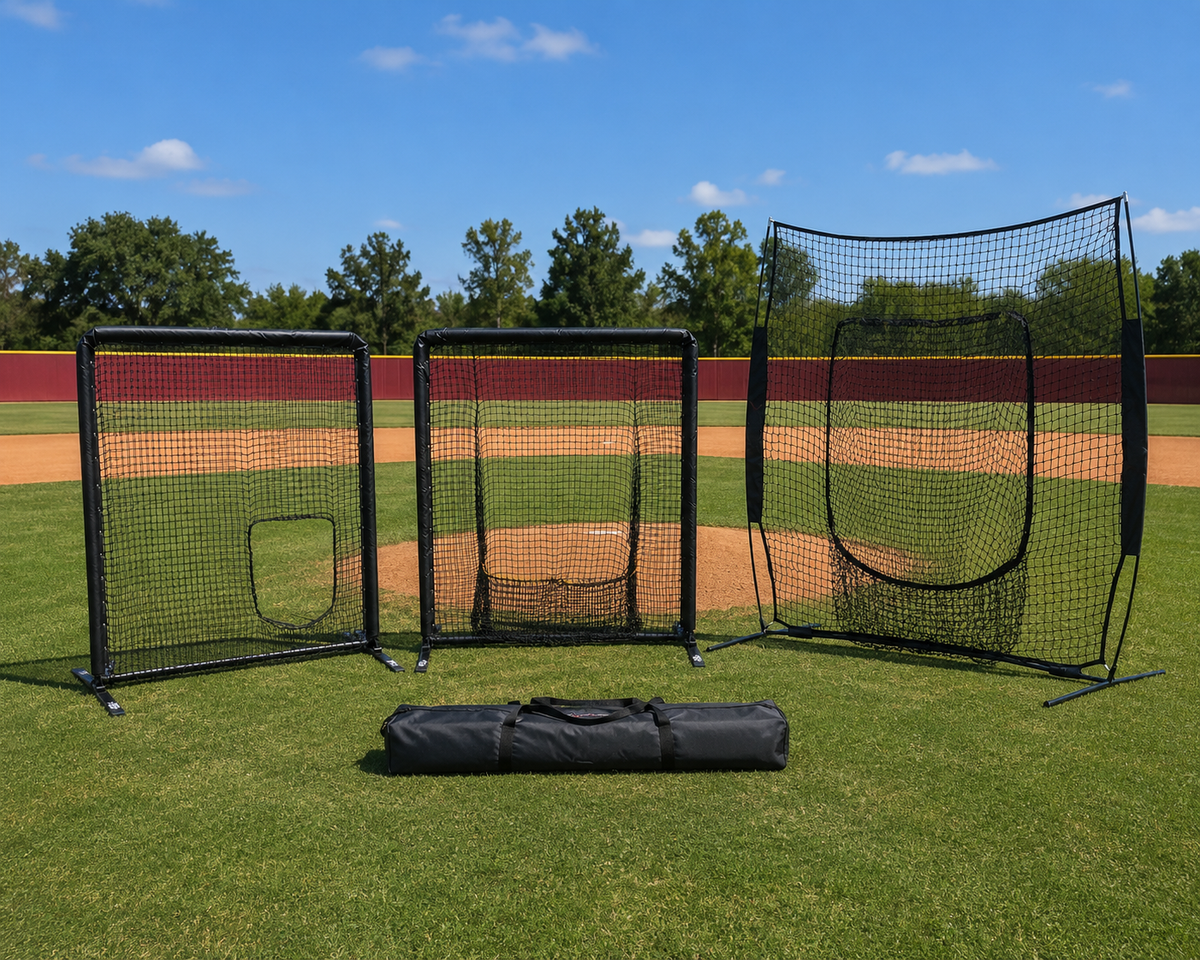

A screen that takes a direct line drive all afternoon tells you a lot about its build quality. If it rattles hard, tips, or starts wearing out at the impact points, you are not just watching equipment age - you are watching practice become less safe and less efficient. That is the real answer behind why use shock absorbing screens in baseball and softball training: they are built to manage repeated impact better, protect the person behind the screen, and hold up longer under serious use.
For coaches, facility owners, and travel ball families, that matters fast. Screens are not decoration. They sit in the most dangerous spots on the field and in the cage. When a pitcher is throwing front toss, when a coach is feeding balls, or when hitters are taking hundreds of reps, the screen becomes a piece of safety equipment and a workload tool at the same time.
Why use shock absorbing screens in real practice settings
The biggest benefit is not complicated. A shock absorbing screen is designed to reduce how much raw force transfers through the netting into the frame when a ball hits it. Instead of the entire structure taking that hit all at once, the screen is engineered to absorb and disperse impact more effectively.
That changes what happens during high-volume training. A standard rigid setup can take repeated abuse, especially from stronger hitters, and begin to show it through bent sections, stress at weld points, loose net attachment areas, and more violent recoil after impact. A shock absorbing design helps reduce that punishment. Less force transfer usually means less frame stress, less movement on impact, and better durability over time.
There is also a safety angle that coaches immediately appreciate. A screen that handles impact well is more predictable. It is less likely to jump, twist, or react in a way that exposes the thrower or coach behind it. No screen removes all risk, but a better impact-management design gives you more control in the environments where balls are coming off the bat hard and often.
Safety is the first reason most coaches switch
If you spend enough time around batting practice, front toss, and short-box work, you know how quickly things happen. One mis-hit or squared-up ball can turn a routine rep into a dangerous moment. The whole point of a protective screen is to stand between the person and the ball. The problem is that not every screen responds to impact the same way.
A shock absorbing screen is valuable because it is designed for the kind of repeated contact that happens in serious training. That matters for pitching screens, L-screens, and field protection setups where the user stays close to action. A better impact response means the net gives where it should, the frame takes less direct abuse, and the structure stays more stable through the rep.
For youth teams, that gives parents and coaches more confidence. For high school, college, and facility use, it is even more important because exit velocity goes up and rep count climbs fast. If your training environment includes harder contact and daily use, the margin for equipment failure gets smaller.
Durability is where shock absorption pays off
A lot of equipment looks fine on day one. The real test is week 20, not week one. That is where shock absorbing screens separate themselves from basic options.
Repeated ball impact breaks equipment down through accumulated stress. Even if each hit does not look dramatic, hundreds or thousands of hits add up. Frames fatigue. Netting attachment points wear. The structure starts to loosen. Once that process starts, performance usually drops before the screen fully fails. It may still stand, but it no longer feels solid or trustworthy.
This is why serious programs tend to care less about appearance and more about engineering. A screen that manages force better is simply a better long-term training tool. It stays usable longer, holds its shape better, and keeps doing its job under high repetition.
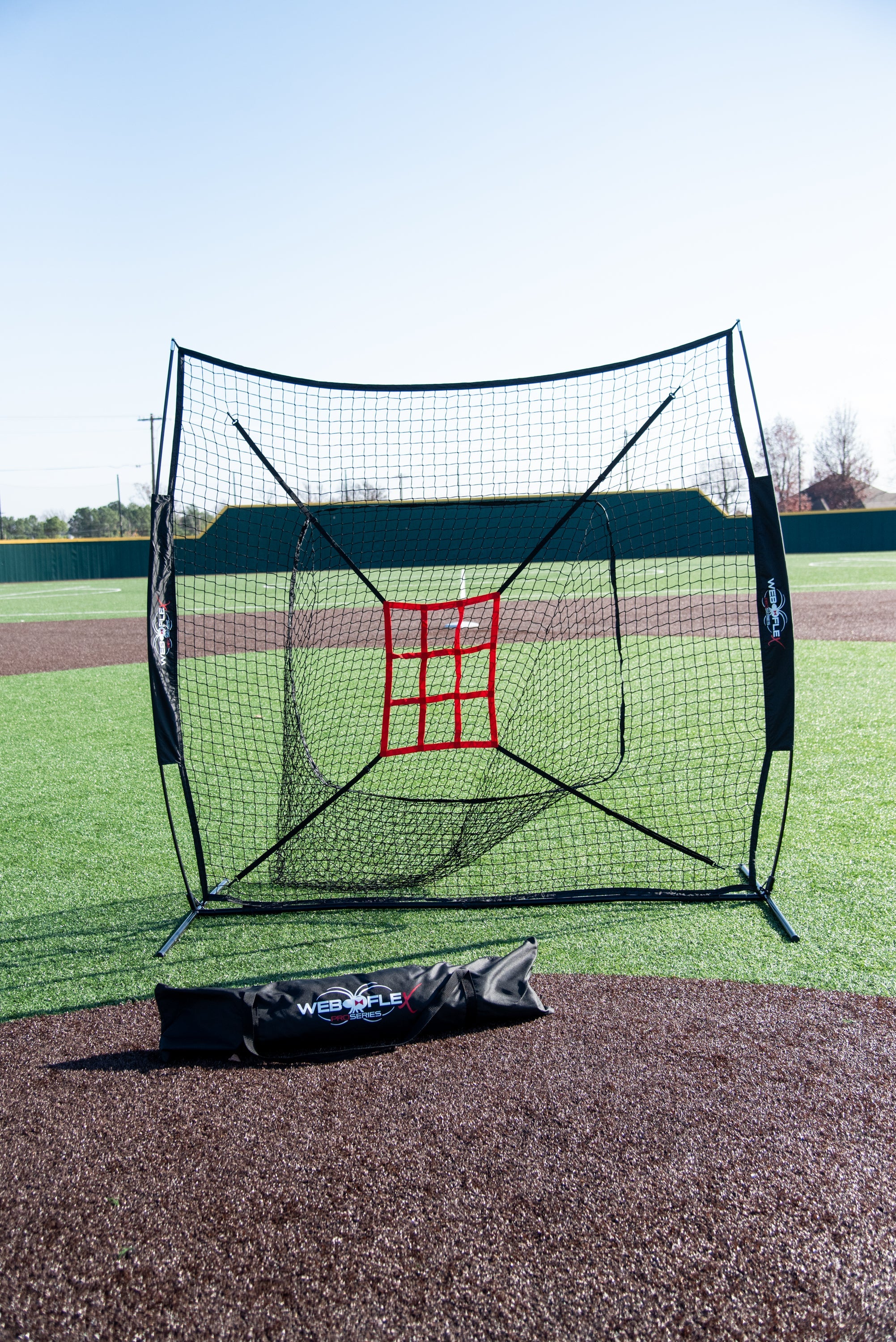
That is exactly where the Web Flex Sports Pro Series makes sense. For programs, facilities, and coaches who run heavy batting practice volume, Pro Series screens are built for the grind, with heavy-duty construction and patented shock-absorbing technology designed to handle repeated impact. If you train hard and often, that kind of build is not a luxury. It is the right tool.
Better practice flow is an underrated benefit
Most people think about screen choice in terms of safety and lifespan, and they should. But practice efficiency matters too.
When a screen reacts poorly to contact, practice gets interrupted in small but constant ways. Someone has to reset it. The coach shifts position. The hitter waits while the setup gets squared back up. Those delays seem minor until they happen over and over across an entire session.
A shock absorbing screen helps keep reps moving because it is designed to handle impact with less disruption. That matters during front toss rounds, machine work, live BP, and defensive drills where coaches need to stay in rhythm. Better rhythm usually means more quality reps, and more quality reps are what actually drive development.
For solo athletes and families working outside a team environment, the same idea applies. A screen that stays stable and dependable makes it easier to set up and train without constant adjustment. You spend more time working and less time babysitting gear.
Why use shock absorbing screens instead of standard portable screens?
This depends on how you train.
If you need something lightweight for occasional use, easy transport, and lower-volume reps, a portable screen still has value. Not every player needs the heaviest setup available. Sometimes portability matters more than maximum impact management, especially for backyard practice, travel use, or younger athletes who are not hitting balls at advanced speeds.
That is where the Spider Series fits. It gives players, parents, and coaches a more budget-conscious and travel-friendly option without losing sight of the basics that matter - protection, portability, and practical training utility. If your main need is getting a reliable screen in and out of the car, onto the field, or through a lighter weekly training schedule, Spider Series is the smart answer.
But if your setup sees daily use, stronger hitters, or team-level rep volume, standard portable screens can start to show their limits fast. That is when shock absorption becomes less of a feature and more of a requirement. The more force and frequency your screen faces, the more valuable that design becomes.
The right screen depends on who is using it
A private hitting facility has different needs than a 12U travel family. A college bullpen setup has different demands than a backyard tee station. That is why screen selection should always start with use case, not just size or shape.
For coaches running high-repetition batting practice, shock absorbing screens make sense because they help protect the thrower, support smoother sessions, and stand up to everyday impact. For school programs, they are a durability play as much as a safety play. Equipment budgets do not benefit from replacing worn-out gear early.
For serious players training several days a week, the decision comes down to how intense those reps are and where they happen. If training is mobile and flexible, a Spider Series setup may be the better fit. If the screen is going to live in a cage, on a field, or in a team practice environment with hard contact, Pro Series is built for that workload.
There is no one-size-fits-all answer, and that is the point. The best screen is the one that matches your volume, your space, and your level of play.
What to look for beyond the word “shock absorbing”
Not every product that sounds tough is built the same. If you are evaluating screens, pay attention to how the frame is constructed, how the net is mounted, and whether the overall design is intended for repeated hard contact or just occasional use. Marketing terms are easy. Build quality is what shows up after a season of work.
You should also think about where the screen will live. Outdoor field use, indoor cage use, team practice, individual reps, and travel setup all put different demands on equipment. The right answer is not always the biggest or heaviest model. It is the one that fits the actual training environment without creating more hassle than help.
That is why tiered product lines matter. Some athletes need premium durability. Others need portability first. A good equipment company should be honest about that instead of pushing one solution for everybody.
Shock absorbing screens are worth using because they solve a real problem, not because they sound advanced. They help protect people in the line of fire, reduce wear on the frame, and keep training moving when reps pile up. If your practice environment is serious, the screen should be too. Choose Spider Series when portability and value lead the decision. Choose Pro Series when your setup needs to take repeated impact and keep showing up like it belongs there.
Good training gear should let you focus on reps, not worry about what happens when the next ball gets barreled.