
A net that takes 15 minutes to assemble usually ends up staying in the garage. That is the real test with portable practice nets. If players, parents, and coaches cannot get the setup on the field fast, break it down cleanly, and trust it to survive hard reps, the net stops being training equipment and starts being clutter.
Portable practice nets solve a simple problem - most players do not train in one permanent space. Backyards, side yards, team fields, indoor cages, school gyms, and tournament complexes all ask for something different. A net has to move, store, and set up without turning every session into a project. But portability by itself is not enough. The best portable net is the one you will still be using after a long season of swings, throws, and daily setup.
What portable practice nets should actually do
A good portable net should make training more efficient without creating new headaches. That sounds obvious, but plenty of nets are built around the idea of being lightweight first and useful second. They fold small, but they wobble on contact, sag after a few weeks, or tip when the wind picks up.
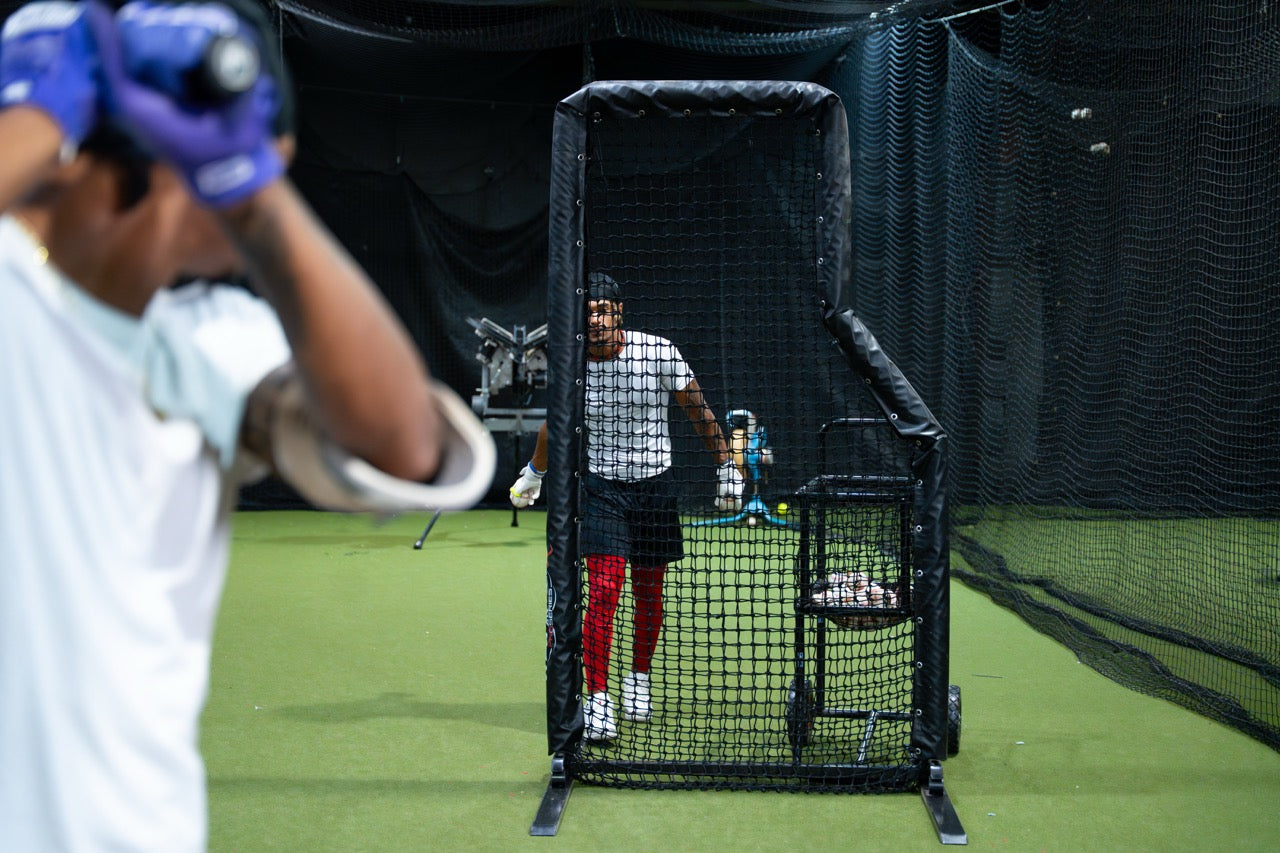
For baseball and softball work, the job is broader than just catching balls. Portable practice nets need to handle repeated impact, keep balls contained, protect nearby players or coaches, and reset quickly between drills. If you are using a net for tee work, front toss, overhand throwing, soft toss, or pitching target sessions, every minute spent adjusting a weak frame is a minute lost.
That is why frame design matters just as much as netting. A net can have strong mesh and still fail if the joints loosen, the base shifts, or the structure is too light for serious use. Serious training equipment should feel stable under real reps, not just look clean out of the box.
Why portable practice nets matter for real training
The biggest benefit of portable practice nets is not convenience for its own sake. It is consistency. When training gear is easy to move and set up, players get more reps in more places. That means a short session after school actually happens. A coach can add a station without needing permanent infrastructure. A family can build a useful backyard setup instead of waiting for field access.
For youth athletes, that consistency adds up fast. Ten to fifteen extra minutes of quality reps a few times a week is meaningful over a season. For coaches, portable nets let you split groups, protect throwing lanes, and keep practice moving. For facilities, portable systems give you flexibility to change layouts based on the day’s work.
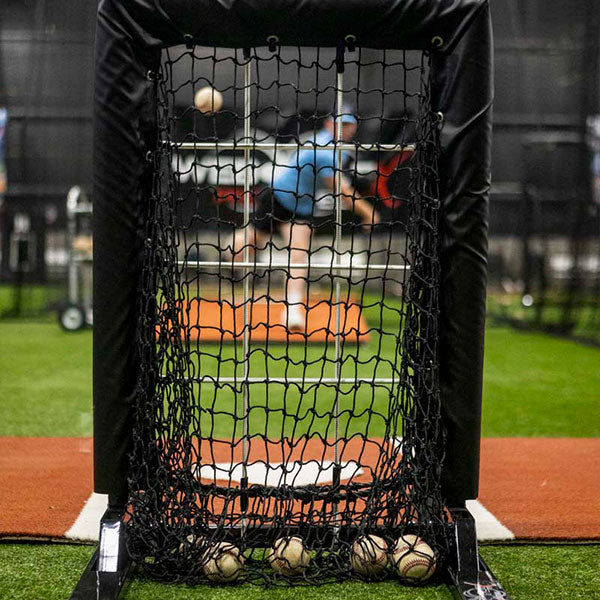
There is also a safety piece that gets overlooked. A well-built net helps control balls in tight spaces. That matters when hitters are working near other stations, when younger players are still learning control, or when practice is happening in a shared environment. Portable does not mean casual. In many cases, it means safer and more efficient.
The trade-off with lightweight nets
Here is where buyers need to be honest about how they train. The lightest net is usually the easiest to carry, but it is not always the best choice for high-volume use. If a player is taking a few swings a week in the backyard, a lighter setup may be enough. If a team is rotating hitters through daily tee work and front toss, lightweight can turn into worn out.
That is where product tiers actually matter. A travel family, younger athlete, or budget-conscious buyer often needs something easy to move, simple to store, and dependable for regular reps. That is the lane where the Spider Series makes sense. It gives players a practical portable setup without overbuilding the product for a use case they may not need.
On the other side, coaches, programs, and facilities usually need more frame strength, more stability, and better long-term durability. That is what the Pro Series is built for. When a net is getting used day after day by multiple athletes, heavier-duty construction stops being a luxury and starts being the smart buy.
How to choose the right portable practice nets
The best buying decision starts with volume of use. If the net will be moved often and used for personal training, focus on quick setup, manageable carry weight, and enough durability for repeated backyard or field sessions. If it will stay in rotation for a team or cage environment, prioritize frame integrity and impact resistance.
Then look at the training environment. Wind, uneven ground, turf, gym floors, and tight storage spaces all affect what works. Some players need a net that can be packed into a vehicle for travel ball weekends. Some coaches need a system that one person can set up before practice. Some facilities need gear that can be relocated throughout the day without breaking down every time.
The drill type matters too. Tee work and soft toss place different demands on a net than high-velocity throwing or heavy front toss. A basic net may catch baseballs just fine under light use, but repeated hard contact can expose weak corners, poor tension, or unstable bases. The more serious the rep quality, the more important the engineering becomes.
Portable practice nets for players and families
For individual players, a portable net should remove excuses. If it comes out fast, stores cleanly, and holds up to daily swings, it earns a spot in the routine. Parents usually do not need the most industrial option on the market. They need gear that works, does not waste time, and does not need replacing halfway through the year.
That is why simpler, travel-friendly systems have real value. The Spider Series fits that need well because it is built for athletes who need portability without giving up functional performance. It is a smart fit for backyard hitters, developing players, and families who want dependable reps without dragging around oversized equipment.
Portable practice nets for coaches and teams
Coaches tend to notice things casual buyers miss. They see whether a frame starts leaning after repeated setup. They notice if the net pocket loses shape, if the structure jumps on hard contact, or if the unit slows down station work because players have to keep fixing it.
For team use, reliability is everything. A portable net should move fast from station to station and still feel secure once it is in place. It should support efficient practice, not constant adjustment. That is where the Pro Series stands apart. It is designed for higher-volume environments where durability, stability, and long-term trust matter more than shaving off a few pounds.
That matters for high school programs, travel organizations, and private instructors. If a net is part of daily operations, it needs to perform like real field equipment. Portable should mean movable, not disposable.
What durability really means in a portable net
Durability is often treated like a marketing word, but on the field it has a specific meaning. It means the frame keeps its shape. The netting keeps tension. The joints do not loosen under repeated use. The product can be assembled, broken down, transported, and used again without feeling weaker every month.
That is especially important with portable equipment because movement creates stress. Gear that lives in one place only has to survive impact. Gear that gets packed up, loaded, carried, and reassembled has to survive handling too. If the frame design is weak, portability becomes the very thing that shortens its life.
This is why serious buyers should look past simple claims like foldable or easy setup. Those features matter, but they only help if the net still performs after a full season. The best portable systems balance convenience with structural confidence.
The right net depends on the job
There is no single answer for every athlete. A younger player working in the backyard does not need the same net as a facility running heavy daily traffic. A coach who needs portable stations for mixed practice groups may need something different than a parent setting up in a driveway.
That is the advantage of having both the Spider Series and Pro Series in the conversation. One serves the athlete or family who needs practical portability and everyday value. The other serves the coach, team, or high-rep trainer who needs serious construction that can keep showing up. Different jobs, different demands, better fit.
Portable practice nets are worth it when they make training easier to start and easier to sustain. The right one does not just save space. It gives you more reps, better organization, and fewer wasted sessions. Buy for the way you actually train, and the net will earn its keep every time you pull it out.