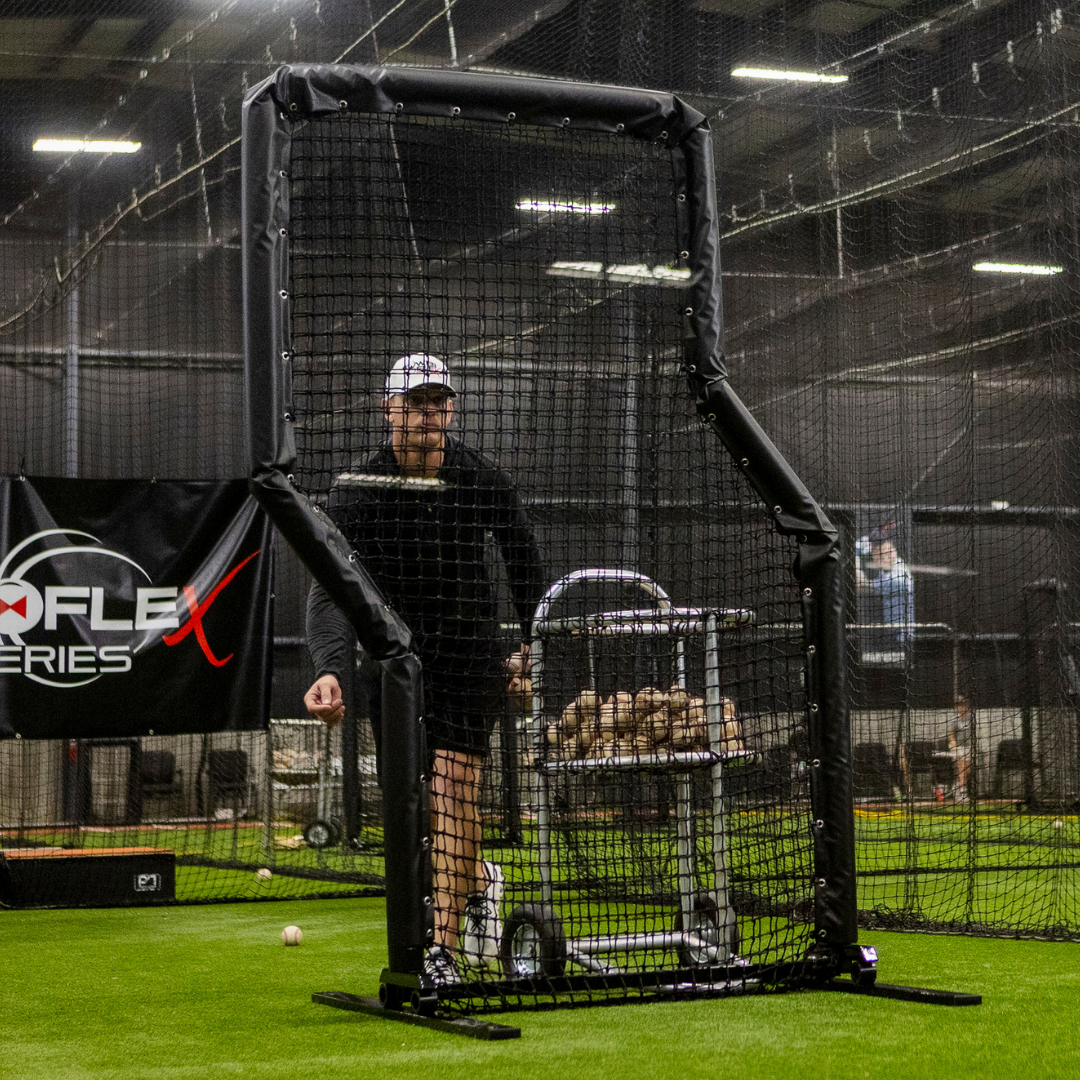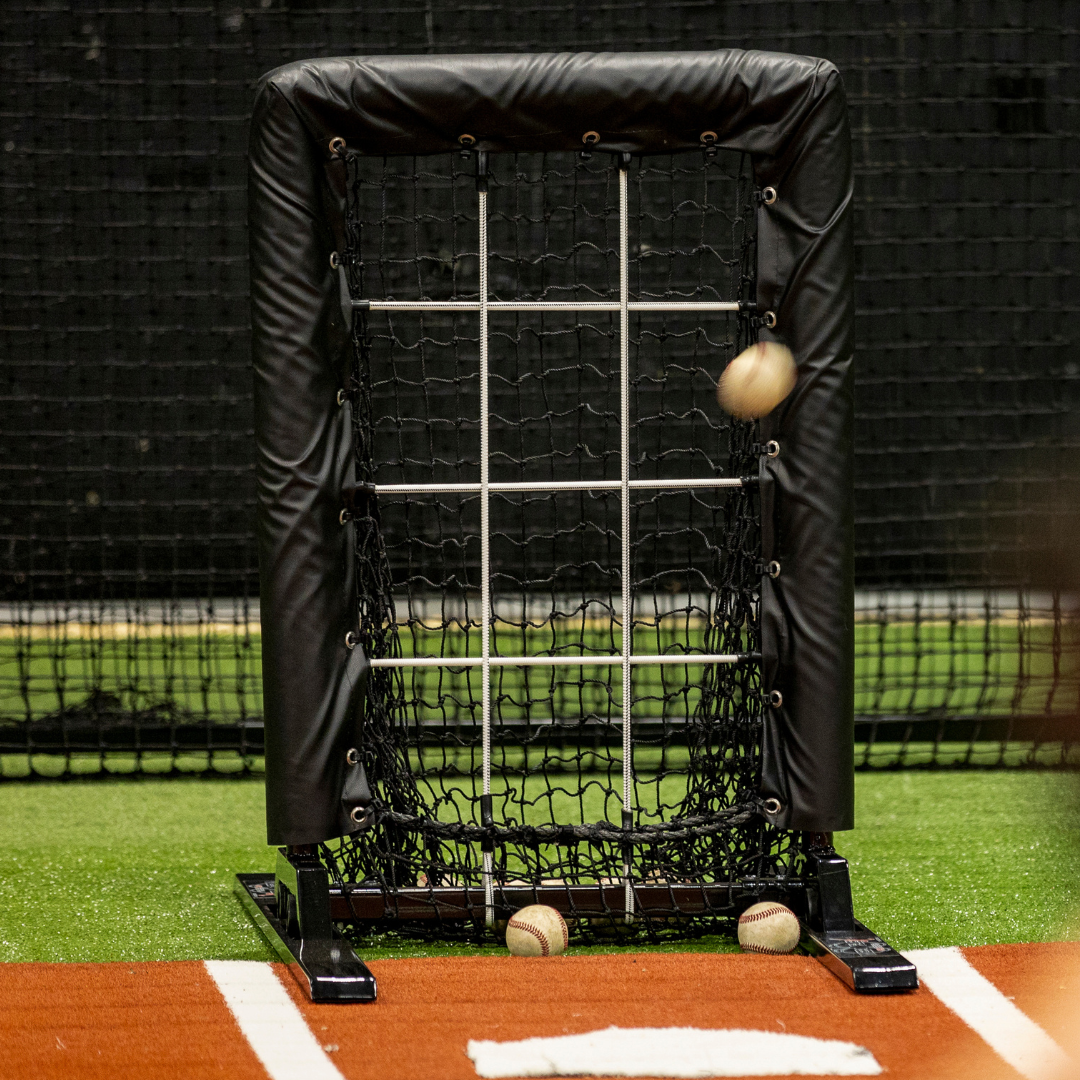

A baseball protective screen for batting practice earns its spot the moment a coach flips the first ball and a hard comebacker comes screaming back through the middle. Good batting practice depends on repetition, but repetition only works when the person feeding the drill is protected well enough to stay in position and keep the round moving. That is why the right screen is not an extra - it is part of the practice setup.
Why a baseball protective screen for batting practice matters
Batting practice is supposed to sharpen timing, barrel control, and approach. It should not force coaches, parents, or players to worry about every line drive coming back at chest or head height. A quality protective screen creates a cleaner training environment because the thrower can stay focused on location and tempo instead of self-preservation.
That matters even more in high-rep settings. Travel ball teams, school programs, and private instructors often run dozens or even hundreds of swings in a session. Over time, the chance of a dangerous ricochet is not theoretical. It is part of the workload. A screen lowers that risk while helping practice stay efficient.
There is also a performance side to it. When the person behind the toss or front toss station feels protected, they work faster and with more consistency. Hitters get better feeds. Drills stay on schedule. The whole cage or field setup works the way it should.
Not every protective screen is built for the same job
This is where buyers can make a smart decision or an expensive mistake. The best baseball protective screen for batting practice depends on who is using it, how often it is used, and where it needs to go.
A youth family setting usually needs something lighter and easier to move. A coach loading gear in and out of a truck for tournaments may prioritize portability and setup speed. A high school, college, or training facility is usually better served by a heavier-duty frame and thicker netting that can handle constant contact.
The mistake is buying only on price or only on size. A cheap screen that tips, tears, or warps under regular use is not a bargain. On the other hand, the heaviest screen on the market is not automatically the right call if you need to move it every day and store it in a crowded garage or trailer.
Start with the screen style
For batting practice, the most common choice is an L-screen. It gives the thrower a protected window behind the frame while still allowing easy underhand flips or overhand throws. That shape has become standard for a reason. It works in cages, on fields, and during front toss.
Some setups benefit from a reversible L-screen or a screen designed for both baseball and softball use. That flexibility matters if multiple age groups or sports share equipment. A screen that can adjust to right-handed and left-handed use without wasting time between rounds is a practical advantage.
There are also larger field screens and specialized shapes for coaches who want more coverage. More coverage can be the right move for younger hitters with less predictable contact or for environments where multiple athletes are moving around one station. The trade-off is bulk. Bigger screens protect more area, but they are harder to move and store.
Frame strength is where long-term value shows up
A protective screen takes repeated impact. That sounds obvious, but it is the difference between buying once and replacing gear every season. The frame has to handle direct contact from baseballs without bending out of shape or getting unstable.
For lighter personal use, a more portable frame can make sense. It keeps transport simple and setup less of a chore. For schools, facilities, and serious travel organizations, heavier steel construction usually pays off because it stands up better to high-volume sessions.
This is one of those it-depends decisions. If your screen only comes out for occasional backyard work, you may not need the same build as a program running live batting practice four or five days a week. But if multiple teams or instructors are hitting off the same equipment, heavy-duty construction stops being a luxury. It becomes the smart buy.
Netting quality matters as much as the frame
A strong frame with weak netting is still a weak screen. The net is what absorbs the ball and protects the person behind it, so material quality, knotting, and attachment points all matter.
Good netting should hold shape after repeated impact, resist premature wear, and stay secure where it connects to the frame. Loose or poorly fitted netting can reduce protection and create frustration during practice. Balls can rebound unpredictably, and the whole station starts to feel less controlled.
For buyers comparing options, durability is not just about surviving one season. It is about maintaining confidence over time. When netting starts to fray early, you do not just lose appearance. You lose function. A screen used by serious players should look and feel ready for the next round, not one hard-hit ball away from replacement.
Size should match the drill, not just the catalog
A larger protective screen sounds safer, and often it is. But size should fit the way you actually train. In a compact batting cage, an oversized screen can crowd the hitter, interfere with movement, or make drill transitions slower. In open field work, that same larger screen may be exactly what you want.
Think about how close the thrower stands, whether the station is front toss or overhand BP, and how much room you have on each side. A screen that protects the core line of danger is more useful than one that technically covers more area but disrupts the drill.
For youth players, extra width can be helpful because contact quality is less consistent. For advanced hitters in a controlled cage setting, a more streamlined L-screen often gives plenty of protection without eating up space.
Portability is not just about weight
A lot of buyers hear portable and think light. That is only part of it. Real portability also means easy assembly, stable transport, and a design that does not become a headache every time you break it down.
Families and travel coaches usually want a screen that can move from garage to field without needing two people and a long setup process. Facilities and school programs may care less about carrying weight and more about wheeled movement around the cage or field.
This is where product tiers make sense. A lighter series built for portability serves a very different customer than a premium series built for constant use and maximum durability. Neither is automatically better. The right one fits the workload.
What serious buyers should look for
When you are comparing a baseball protective screen for batting practice, focus on what shows up in real use. Frame thickness, net quality, stability, and setup design tell you more than flashy claims. Warranty support also matters because it reflects how much confidence a brand has in its construction.
Coach-friendly features are worth paying attention to as well. A reversible design, strong wheels, secure net attachments, and impact-absorbing construction all make a difference over a long season. If your sessions are frequent and intense, those details stop feeling like features and start feeling like necessities.
At Web Flex Sports, that distinction is clear in how portable and heavy-duty screens serve different athletes and programs. A budget-conscious player or travel family may need a lighter setup that still protects well and moves fast. A facility or school program usually needs premium construction that can handle daily abuse and still stay square.
Buying for home, team, or facility use
The right screen for a backyard hitter is rarely the same one needed in a training business or varsity program. Home users usually benefit from a manageable setup that stores easily and covers the main danger zone. Team buyers should think about frequency of use, who handles setup, and whether the screen needs to travel.
Facility owners need to be tougher on their standards. Their screen is part of a business operation. If it fails, training slows down, safety drops, and replacements become expensive. For that buyer, durability and warranty protection usually deserve more weight than entry price.
Parents shopping for a serious athlete should think one step ahead too. If the player is training year-round and seeing velocity increase, buying a stronger screen now can be smarter than replacing an entry-level one too soon.
The best screen is the one that keeps practice moving
The smartest purchase is not the screen with the longest spec sheet. It is the one that fits your space, your training volume, and your standard for safety. When the frame holds up, the net takes repeated impact, and the setup works without constant adjustment, batting practice gets better in the ways that matter most.
That means more swings, more confidence, and fewer interruptions. And when the person feeding the drill can stay protected and keep the session on time, everybody gets better work. The Best Screen Is Simply Web Flex Sports.