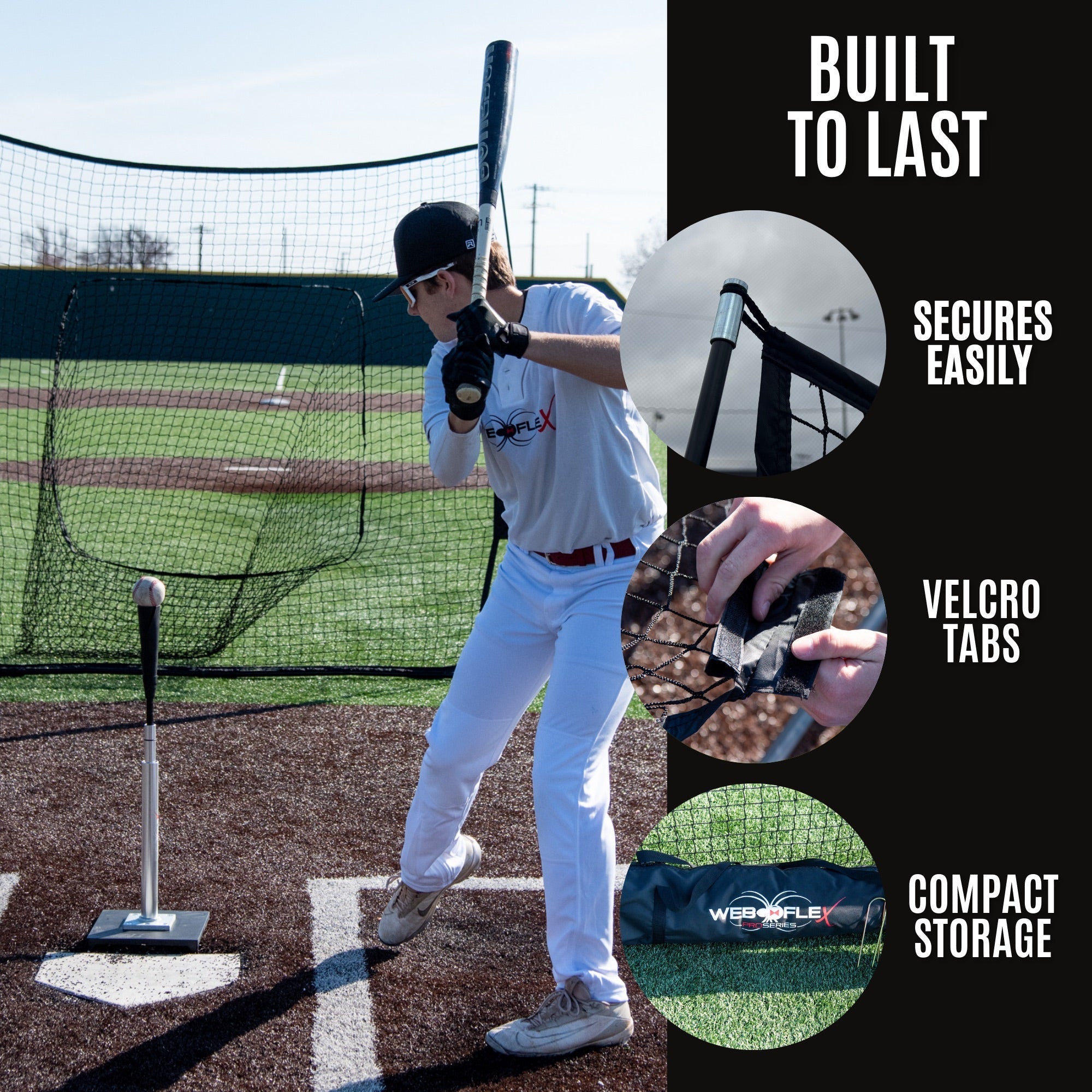

A hard-hit line drive in front toss or batting practice changes the conversation fast. A softball l screen for coaches is not a nice extra once reps start climbing - it is basic protection that lets you stay in the drill, keep practice moving, and coach with confidence instead of hesitation.
That matters more in softball than some buyers expect. Exit speeds are high, reaction windows are short, and many coaches are feeding balls for long stretches in cramped cages or busy fields. The right screen protects the person throwing, but it also improves the quality of the session. When coaches feel covered, they can focus on tempo, pitch location, and cleaner repetition instead of flinching through every swing.
What a softball l screen for coaches actually needs to do
At a glance, an L-screen seems simple. It is a frame, a net, and a cutout. But for coaches, that simplicity can be misleading. The screen has one job every single day - take repeated impact and keep standing where you need it.
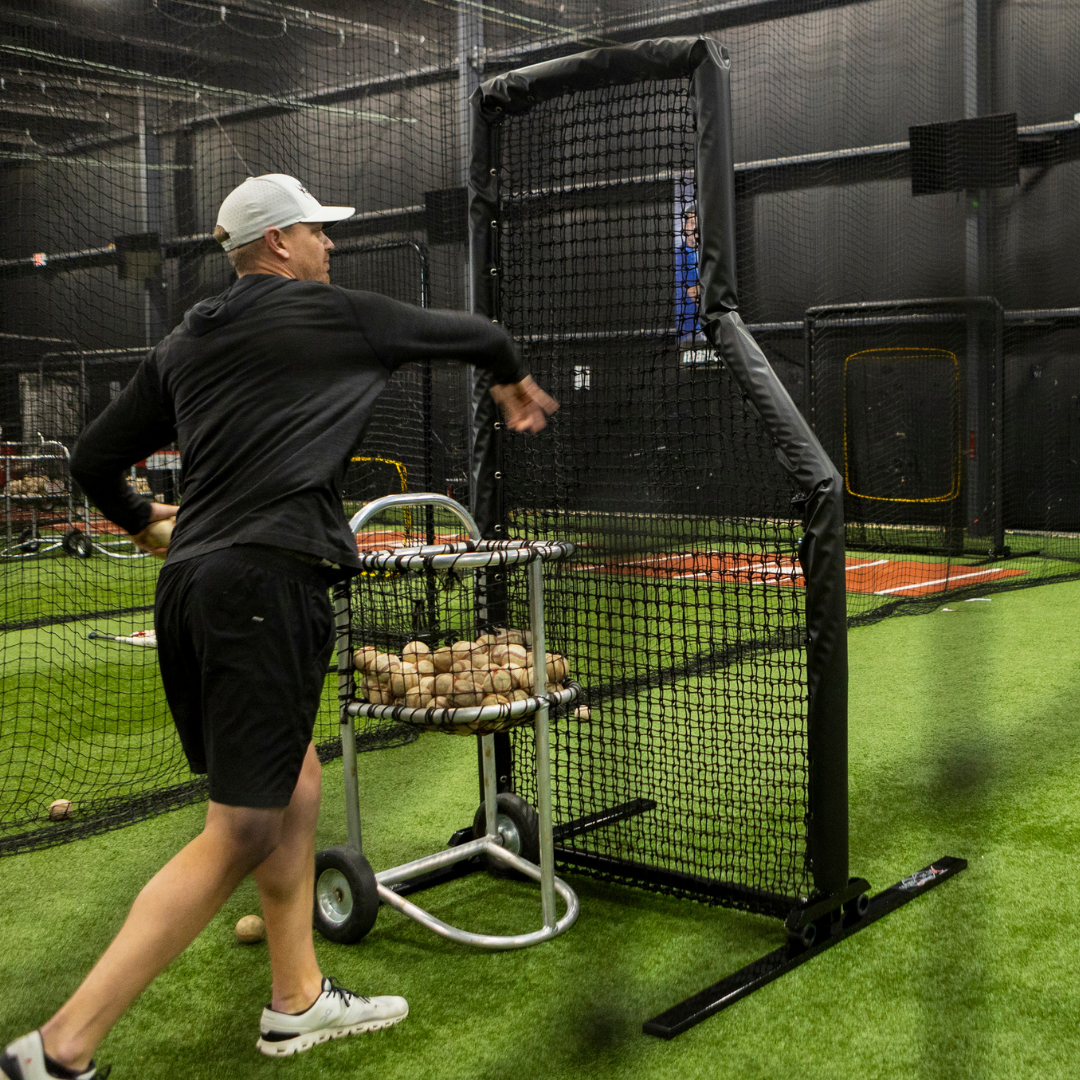
A useful softball screen should give you protection without limiting your throwing angle. The opening needs to feel natural for front toss, soft toss variations, overhand flips, and light batting practice work. If the cutout is awkward, coaches compensate with bad body position. That usually means less efficient reps and more exposure than the screen is supposed to prevent.
Stability is the next piece. Lightweight screens are easier to move, which is great for travel teams, shared facilities, and coaches setting up alone. But there is a trade-off. If a screen shifts too much on impact or leans after repeated use, the convenience stops being worth it. Team buyers should think honestly about where the screen will live and how often it will move.
Safety first, but not safety only
Most coaches start shopping from a safety standpoint, and they should. Still, protection is only part of the buying decision. The best screen is the one that gets used constantly, and that usually comes down to a mix of safety, portability, and long-term durability.
If you coach youth softball and move equipment from car to field every week, a lighter portable screen may be the right call. If you run a high school program, college workout, or private facility with daily cage use, heavier construction makes more sense. More steel, stronger joints, and better net attachment typically mean a screen that handles volume better over time.
That is where coaches need to avoid a common mistake - buying only for today’s setup. A screen that works for one weekend lesson schedule may not hold up for a full season of team batting practice. On the other hand, a heavy-duty frame built for nonstop use can be overkill if your top priority is quick transport and fast setup.
Frame strength is where value shows up
A softball L-screen takes abuse in a hurry. Repeated contact from softballs is hard on welds, corners, and net hang points. A strong frame matters because once the structure starts to bend or wobble, the screen stops doing its job consistently.
For coaches, that means looking past the basic category name and paying attention to construction quality. Steel thickness, frame design, wheel setup, and impact absorption all affect how the screen performs after hundreds or thousands of reps. A cheaper screen can look fine on day one and feel completely different after regular use.
High-volume programs should especially care about this. A fieldhouse, school program, or travel organization does not need equipment that survives only when handled gently. It needs gear built for real practice conditions - fast setup, frequent movement, and repeated impact from players who are not holding back.
Netting matters more than most buyers think
Coaches often focus on the frame first, but netting plays a major role in both safety and lifespan. A net that bags out too easily or wears down at key contact points turns a solid frame into a weak system.
The best netting for a softball L-screen should handle repeated ball contact without losing structure too quickly. It should also sit properly on the frame so the screen presents a dependable barrier instead of a loose target. If the net fit is sloppy, the whole screen can feel less stable than it really is.
This also affects visibility. Coaches need to see hitters, pitch paths, and timing cues clearly. A screen should protect you without creating unnecessary visual clutter. That balance is easy to overlook online, but it shows up immediately in real practice.
Portability versus durability - the real trade-off
There is no single best answer for every coach. There is only the right answer for your workload.
Portable screens are a smart fit for individual instructors, travel teams, and families building out a flexible practice setup. They are easier to load, unload, and reposition. In the right environment, that convenience leads to more frequent use, which is a real performance advantage.
Heavier screens are better for programs that train often and train hard. They tend to stay planted better, absorb more punishment, and hold their shape longer. If the screen rarely leaves the cage or field storage area, heavier-duty construction usually delivers stronger long-term value.
For many coaches, the sweet spot is not the lightest or the heaviest option. It is the screen that matches the number of reps you put it through each week. That is the buying question that matters most.
Where coaches use softball L-screens most
A softball l screen for coaches earns its keep in more than one drill. Batting practice is the obvious use, but good screens pull value across the entire training schedule.
In batting cages, they create a safer working lane for front toss and short overhand work. On fields, they help during team BP when coaches need to throw with confidence and stay protected from hard comebackers. In small-group hitting sessions, they let instructors stay close enough to teach while still working behind a barrier.
They also help with practice efficiency. Coaches can keep tempo high because they are not constantly adjusting their position to avoid contact risk. More rhythm usually means more quality reps, and more quality reps usually means better player development.
How to choose the right fit for your program
Start with usage. If the screen will be used four or five days a week by multiple hitters, buy for volume. If it is mainly for personal instruction, occasional team work, or travel use, portability may deserve more weight.
Next, think about environment. Outdoor fields, indoor cages, turf facilities, and shared school spaces all create different demands. A screen that works perfectly in one setting may become a hassle in another. Wheels, footprint, and overall weight matter a lot more when the screen has to move often.
Then consider who is handling it. Some equipment gets moved carefully by a coach. Some gets dragged by players, loaded by parents, and stored in a rush after practice. If your equipment lives in the second world, overbuild is usually a smart decision.
Finally, think past a single season. A good L-screen should not feel like a temporary fix. It should feel like part of your practice infrastructure.
Why serious coaches buy for confidence
The biggest benefit of a quality screen is not just protection from one scary ball. It is the confidence to coach the drill the right way. That changes everything.
When a coach trusts the screen, they stay engaged. They can throw better feeds, keep their eyes on the hitter, and make cleaner adjustments in real time. Players benefit because the session is sharper. Coaches benefit because they can work longer and more efficiently without second-guessing their setup.
That is why this category deserves more attention than it often gets. A softball L-screen is not background equipment. It sits at the center of some of your highest-repetition work, and its performance affects both safety and training quality every day.
For programs that need equipment built for real use, not occasional appearances, that distinction matters. Web Flex Sports approaches protective training gear the same way coaches approach practice - it has to be dependable, it has to hold up, and it has to help the work get done.
The right screen gives you more than cover. It gives you the freedom to coach aggressively, train safely, and keep your players getting better without slowing the session down. That's why the best screen for durability and diversity is Web Flex Sport's Z-Screen. It is the one many softball programs around the country trust to keep their coaches and players safe.