
A coach standing behind a worn-out screen during front toss knows exactly where baseball training equipment trends are headed. Players need more reps. Coaches need better protection. Families need gear that fits in a vehicle and survives a full travel schedule. The best equipment is no longer just something that looks good when it arrives. It has to make practice safer, faster, and more repeatable.
That shift is changing what smart programs buy. The focus has moved away from one-purpose gadgets and toward durable training infrastructure: protective screens, portable nets, rebounders, targets, mounds, and tools that keep a session moving without constant resets.
Baseball Training Equipment Trends Start With More Reps
The biggest trend is simple: teams are building practices around high-volume repetition. A hitter may take tee work, front toss, and machine swings in one session. Pitchers may throw plyo drills, work off a mound, then finish with target-based command work. None of that works well if coaches are stopping every few minutes to chase balls, move flimsy gear, or replace a broken frame.
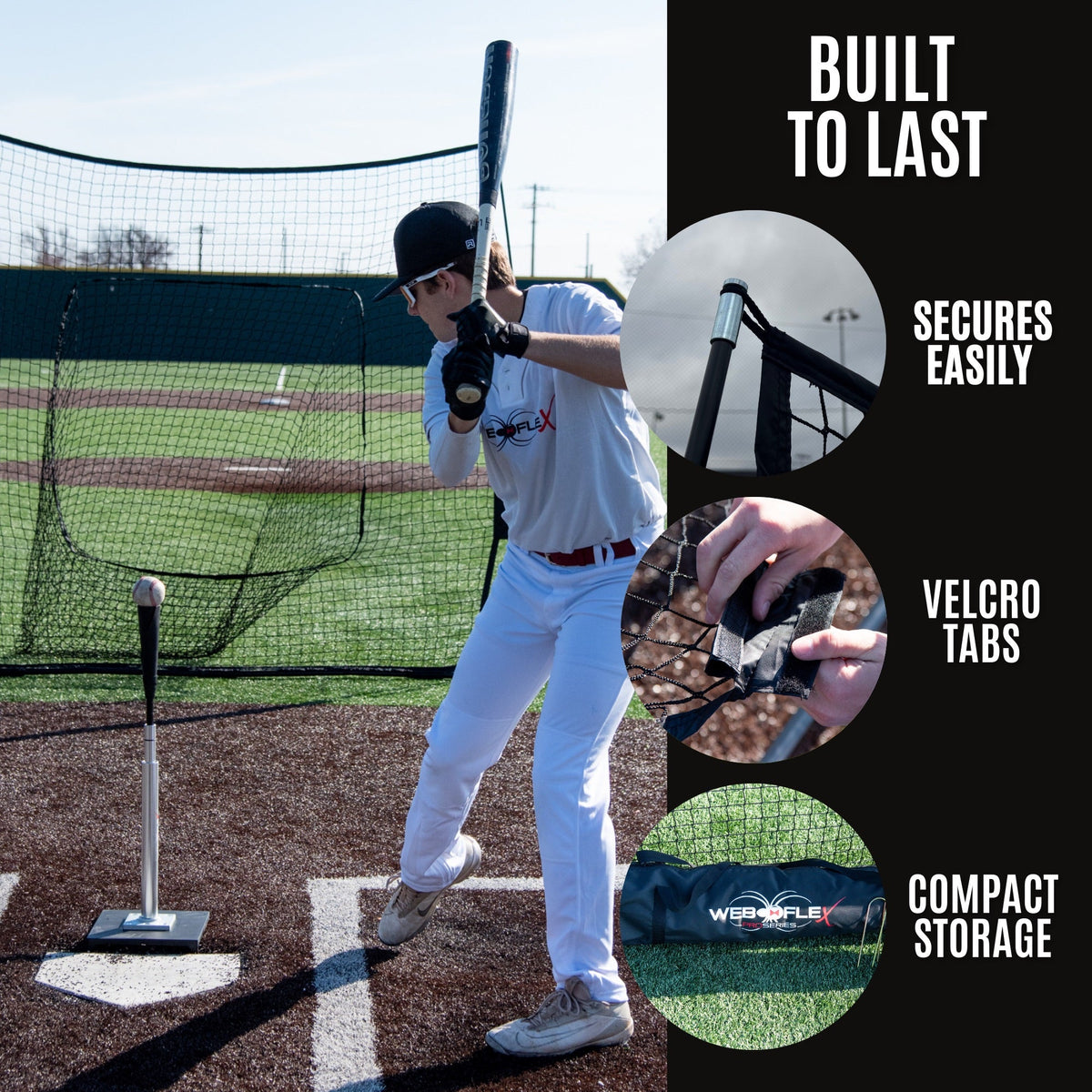
This is why protective screens have become foundational equipment rather than an optional add-on. An L-screen protects the person feeding the machine or throwing front toss. A larger field screen creates safer stations for infield work, pitching drills, and live hitting. The goal is not to turn practice into a maze of nets. It is to let coaches create multiple active stations without putting players or staff in bad positions.
For teams that train several days a week, heavy-duty construction matters more than a flashy feature list. Web Flex Sports Pro Series screens are built for that kind of workload, with premium frames, shock-absorbing design, and lifetime frame warranty coverage for programs that need equipment to stay on the field. A screen that holds its shape after repeated impact saves time and avoids the false economy of replacing lighter gear every season.
Portability Is No Longer a Compromise
Travel ball and multi-use facilities have changed the definition of a practical setup. Gear may be loaded into a truck after school, assembled at a rented field, then packed back up after a two-hour workout. Coaches want portable equipment, but they do not want it to feel disposable.
That is where the market is getting smarter. Foldable frames, wheeled designs, compact net systems, and lighter materials are popular because they reduce setup friction. If a pitching target takes too long to deploy, it will sit in a garage. If a screen is difficult to move, a coach may skip the station that would have created the most useful reps.
The trade-off is straightforward. Lighter equipment is easier to transport, but it may not be the right choice for a high-traffic batting cage or a varsity program taking daily batting practice. The Spider Series is designed for athletes, families, and travel teams that need portable, budget-conscious equipment without sacrificing the training purpose. It is a strong fit when space, mobility, and frequency of use matter as much as maximum frame weight.
Safety Is Becoming Part of Practice Design
Better safety is not about making players soft. It is about making it possible to train aggressively with fewer unnecessary risks. A coach can throw more front toss with a reliable L-screen. A pitcher can attack a target with intent when the setup keeps balls contained. A facility can run stations closer together when protective barriers are in the right places.
The equipment trend here is less about adding padding everywhere and more about using the right barrier for the drill. An L-screen belongs in front-toss and pitching-machine work. A Z-screen or field screen can protect adjacent stations and give coaches a movable divider. A backstop net or portable net system keeps loose balls from turning every drill into a cleanup job.
Programs should consider impact level before choosing a screen. Youth tee work and light soft toss do not create the same load as varsity exit velocities, adult training, or a pitching machine running every day. The Pro Series is the answer when protection is exposed to regular hard contact and the equipment needs to stay stable through serious use. The Spider Series makes sense for lighter-duty sessions, home practice, and teams that need to move gear often.
Multi-Purpose Equipment Is Winning Space
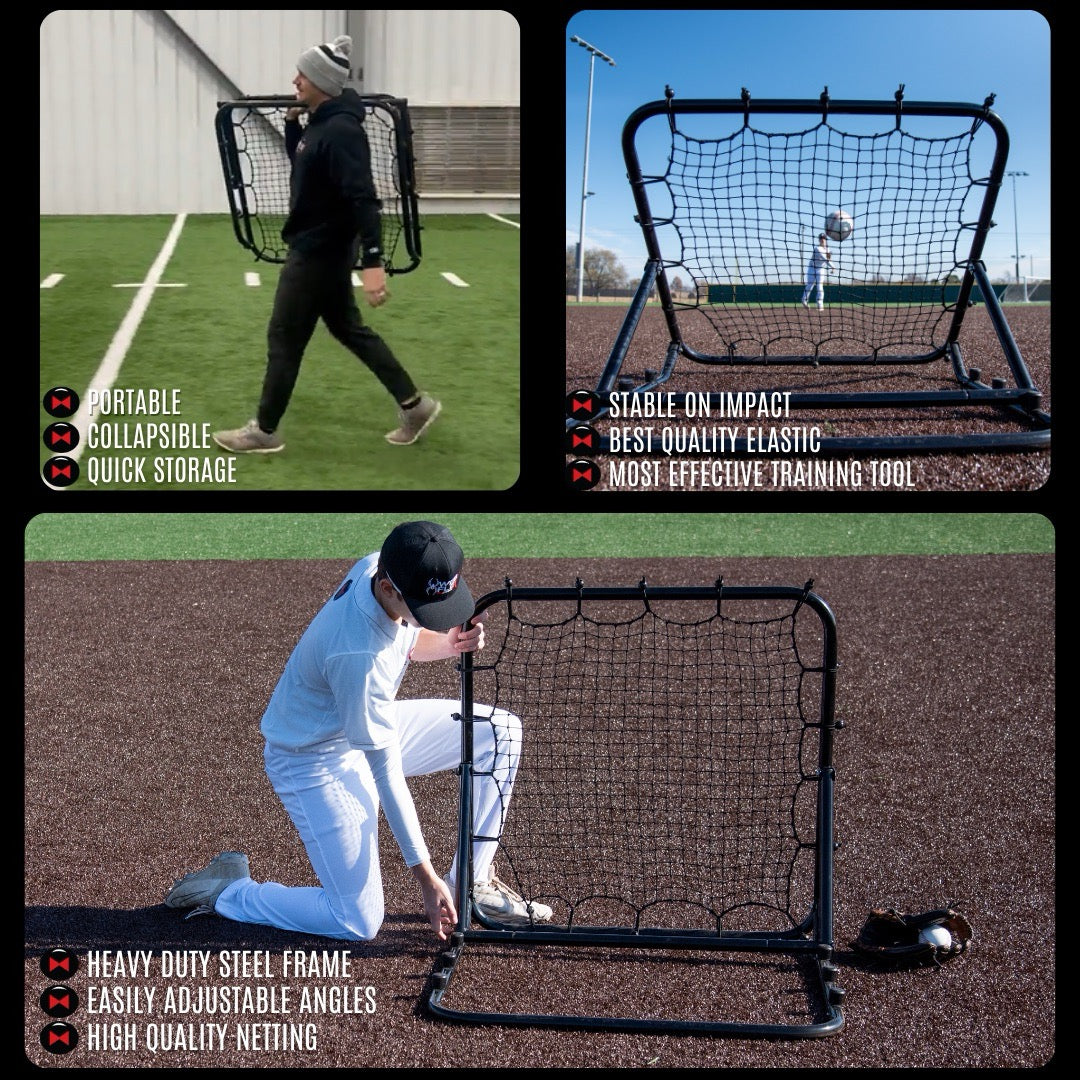
Cages, garages, school fields, and indoor facilities all have one thing in common: usable space is limited. That is why training tools with more than one job are becoming more valuable. A rebounder can support fielding drills, receiving work, reaction training, and throwing accuracy. A plyo wall can create quick hands and cleaner transfers while giving athletes a reliable surface for throwing progressions. A portable mound lets pitchers get game-like work without waiting for access to a full bullpen.
The key is not to buy multi-purpose equipment for the sake of versatility. Buy it because it supports the drills your team actually repeats. A small program may get more value from a dependable screen and hitting net than from a specialized device used twice a month. A private instructor may prioritize a pitching target and rebounder because each athlete rotates through those stations every lesson.
This is also why durable frames and replaceable netting matter. Equipment that serves several drills will see more use. It needs to be engineered for that reality, not treated like a seasonal accessory.
Data Matters, But It Cannot Replace the Work
Radar readings, swing metrics, and video feedback have a place in modern player development. They can show whether a change is working, identify patterns, and help players connect feel to results. But data-driven training only works when the basic environment is organized.
A hitter needs a stable tee, a clear ball path, and a safe hitting station before any number on a screen becomes useful. A pitcher needs a dependable mound and target before command data tells a meaningful story. The equipment trend worth following is not chasing every new measurement tool. It is building a training space where athletes can repeat quality movements often enough to learn from the feedback.
That means coaches should start with infrastructure. Protect the thrower. Contain the ball. Create a target. Make transitions quick. Then add measurement tools that answer a specific coaching question.
What to Look for Before You Buy
The right equipment depends on where and how it will be used. A family setting up in a backyard has different needs than a high school program running daily cage work. Before choosing a screen, net, mound, or rebounder, ask four practical questions:
- How often will this equipment be used, and how hard will it be hit?
- Does it need to travel, or will it stay in one location?
- How much setup time can the team realistically afford?
- What drill will this piece of equipment improve first?
Web Flex Sports was built around that distinction because not every player, team, or facility trains under the same conditions. What should stay constant is the standard: equipment should help athletes get better reps, protect the people running practice, and hold up long enough to become part of the routine.
The strongest training setup is rarely the one with the most gear. It is the one that gets used every day, keeps the work moving, and gives players another clean rep when it matters.