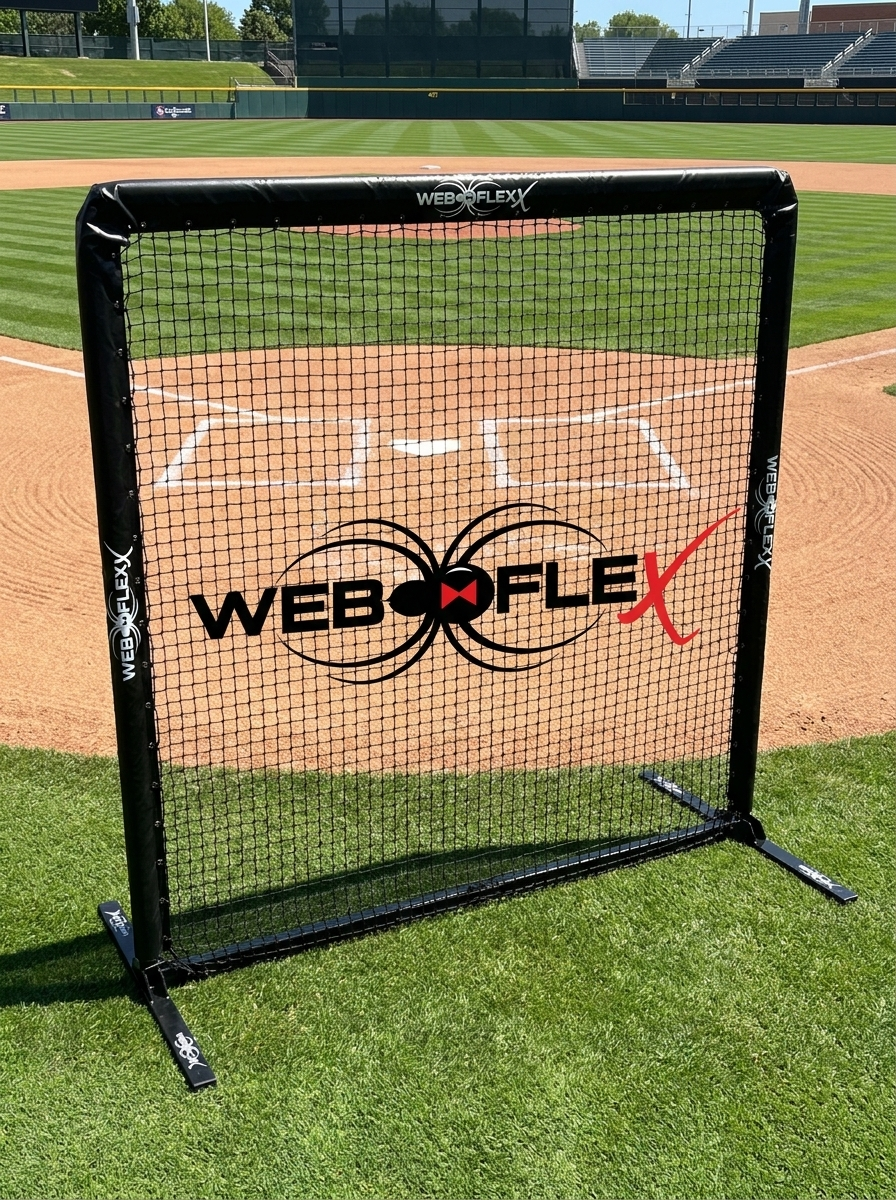

A screen that folds after a few batting practices is not a bargain. It is a practice delay, a safety problem, and another piece of gear a coach has to replace midseason. The best baseball screen brands earn their place in a cage, bullpen, or on a field by building equipment that can take repeated ball impact, move when it needs to move, and stay planted when the work gets serious.
For parents buying one L-screen, the right choice may look different than it does for a high school program running daily batting practice. That is why brand names alone are not enough. Frame construction, net attachment, screen footprint, wheel options, and the amount of use all matter more than a flashy product photo.
What Separates the Best Baseball Screen Brands
A baseball screen has one job first: protect the person standing behind it. Whether that is a coach throwing front toss, a pitcher working drills, or a machine operator feeding baseballs, the screen has to create a dependable barrier without becoming a hazard itself.
Start with the frame. Thinner, lighter frames can make sense for a player who needs to carry a screen from the garage to a local field. But lightweight construction has limits. A screen used by multiple teams, hit daily by older athletes, or left assembled at a facility needs a heavier-duty frame that resists bending, twisting, and walking across turf or concrete.
Netting is just as important. Quality netting should absorb impact rather than send a hard-hit ball back through the opening. Look closely at how the net is attached to the frame. Loose attachment points and exposed fasteners create wear spots. A well-designed screen keeps the net tensioned where it needs to be while allowing enough give to manage ball energy.
The best brands also build for real practice flow. That means thoughtful shapes for L-screens and pitcher-protection screens, stable bases, manageable setup, and components that can hold up to being moved by players between drills. A screen does not need to be complicated. It needs to keep the practice moving.
Buy for the Drill, Not Just the Category
Calling every protective screen a baseball screen misses the point. An L-screen, a Z-screen, a field screen, and a portable net solve different problems. Before comparing brands, identify where the screen will sit and who it protects.
L-screens for front toss and batting practice
An L-screen is the standard protection tool for a coach or player throwing from close range. The offset opening allows the thrower to deliver pitches while keeping most of the body behind the frame. For team batting practice, prioritize a broad protective area and a frame that will not shift when a ball catches the net at high speed.
If the screen will live in a cage or stay on a field for long stretches, heavier construction is usually worth it. If it is loaded into a vehicle several times a week, portability becomes a bigger part of the decision. Neither approach is automatically better. The right answer depends on how the equipment is actually used.
Z-screens for flexible field work
Z-screens add angles and coverage that work well for live batting practice, side toss, defensive stations, and drills where coaches need to create protected throwing lanes. They are especially useful when practice groups are tight on space and the screen needs to do more than one job.
The trade-off is size. More coverage can mean more weight and a larger footprint. Teams should make sure the screen fits their storage area and can be moved safely by the people expected to handle it.
Field screens for programs and facilities
Field screens are built for volume. They protect pitchers during batting practice, shield athletes at adjacent stations, and help organizers run multiple drills without putting players in unnecessary danger. In this category, stability matters more than compact storage.
A facility or school program should think in seasons, not weekends. Ask whether the frame and net can handle years of baseballs, softballs, weather exposure, and constant repositioning. Replacing underbuilt equipment repeatedly costs more time and money than choosing the right duty level at the start.
How Web Flex Sports Covers Both Ends of the Need
Web Flex Sports builds its screen lineup around a practical reality: not every athlete, family, or program needs the same equipment. The Spider Series is built for buyers who need a portable, capable setup for home training, travel ball, and lower-volume use. It gives players a dependable way to add protection and structure to their work without hauling around a permanent field-screen setup.
The Pro Series is the answer when practice is constant and equipment cannot be the weak link. It is designed for high-volume teams, schools, facilities, and serious training environments that need heavy-duty construction. Its patented shock-absorbing technology helps manage repeated impact, while lifetime frame warranties give programs more confidence in equipment meant to stay in rotation.
That split matters because buying too much screen can be just as frustrating as buying too little. A family may not need the largest, heaviest frame for a backyard throwing routine. A varsity program should not expect a travel-oriented screen to carry the load of daily batting practice. Match the series to the workload, then choose the screen shape that fits the drill.
Questions to Ask Before Choosing a Screen Brand
The best purchasing decisions happen before the order is placed. Coaches and parents should get specific about the environment rather than assuming one screen fits every situation.
First, consider ball speed and repetition. Youth tee work and occasional front toss place a different demand on netting than high school exit velocities or a facility that runs lessons all day. The more frequent and forceful the contact, the more frame strength and net durability matter.
Second, consider the surface. A screen that stays inside a batting cage has different needs than one that crosses grass, dirt, turf, parking lots, and trailer ramps. Wheels can save time for larger screens, but they are only useful if the wheel system and frame are built to handle regular movement.
Third, consider storage. Foldable or lighter equipment makes sense for cramped garages and travel schedules. For permanent cages and school fields, a full-size screen that remains assembled may be the better training tool because it is always ready when practice starts.
Finally, look beyond the initial setup. Can the net handle normal wear? Is the frame backed by a meaningful warranty? Does the brand understand baseball-specific use, or is the screen simply a general-purpose net with a baseball label? The answers show up over time, usually when the season is busiest.
Why Screen Design Affects Better Reps
Protective equipment is not separate from player development. When a coach feels exposed during front toss, the drill changes. Throws become rushed, feeds become inconsistent, and attention shifts from the hitter to self-protection. A properly placed, properly built screen lets the coach work closer to the drill and deliver better repetitions.
The same applies to pitchers. A field screen creates a safer environment for live batting practice, allowing pitchers to compete without turning every batted ball into a risk. For younger players, that safety can build confidence. For advanced players, it allows practice intensity to rise without careless exposure.
Screens also improve organization. A few well-placed barriers can separate stations, protect athletes waiting their turn, and keep baseballs from rolling into another drill. More useful reps in the same practice window is not a small advantage, especially for teams sharing limited field time.
The Right Brand Is the One That Holds Up to Your Routine
The best baseball screen brands do not win because they offer the most options. They win because their equipment fits the work: a portable screen for the athlete who trains wherever space opens up, or a heavy-duty screen for the program that runs hundreds of reps every week.
Choose based on use, not appearance. Put the screen where it will actually work, give it the job it needs to do, and buy the level of construction your practice schedule demands. Good screens quietly make practice safer. Great ones keep doing it long after the season gets busy.