
A backstop screen earns its keep on the bad reps. A hitter fouls a ball straight back, a machine pitch gets away, or a coach is feeding hundreds of balls during a team session. If you are figuring out how to choose baseball backstop screen options, start with the work the screen must handle, not just the open space it needs to fill.
The right screen protects people, contains baseballs, and keeps practice moving. The wrong one becomes a nuisance: too light for hard contact, too small for the drill, or too cumbersome to bring out consistently. A good buying decision comes down to your training volume, age group, location, and whether the screen needs to travel.
How to Choose a Baseball Backstop Screen for Your Setup
First, define where the screen will live. A backyard setup used by one player a few times per week has different demands than a high school facility, travel organization, or indoor academy. The ball speed, number of hitters, and frequency of use all change what “durable enough” means.
For a stationary batting area, prioritize coverage and frame stability. A backstop should create a dependable barrier behind the hitter or in front of a wall, reducing ball retrieval and protecting nearby people and property. In a compact space, measure the width and height of the protected area before choosing a screen. A screen that leaves gaps along the sides may still allow foul balls to reach the area you were trying to protect.
If the screen will move from field to field, consider its footprint when folded, how easily one person can handle it, and whether it can be set up without a long pre-practice routine. Portability matters only if the equipment actually gets used. A screen that is built like a tank but stays in storage because it is difficult to transport is not the right answer for many travel ball families.
Start With the Type of Protection You Need
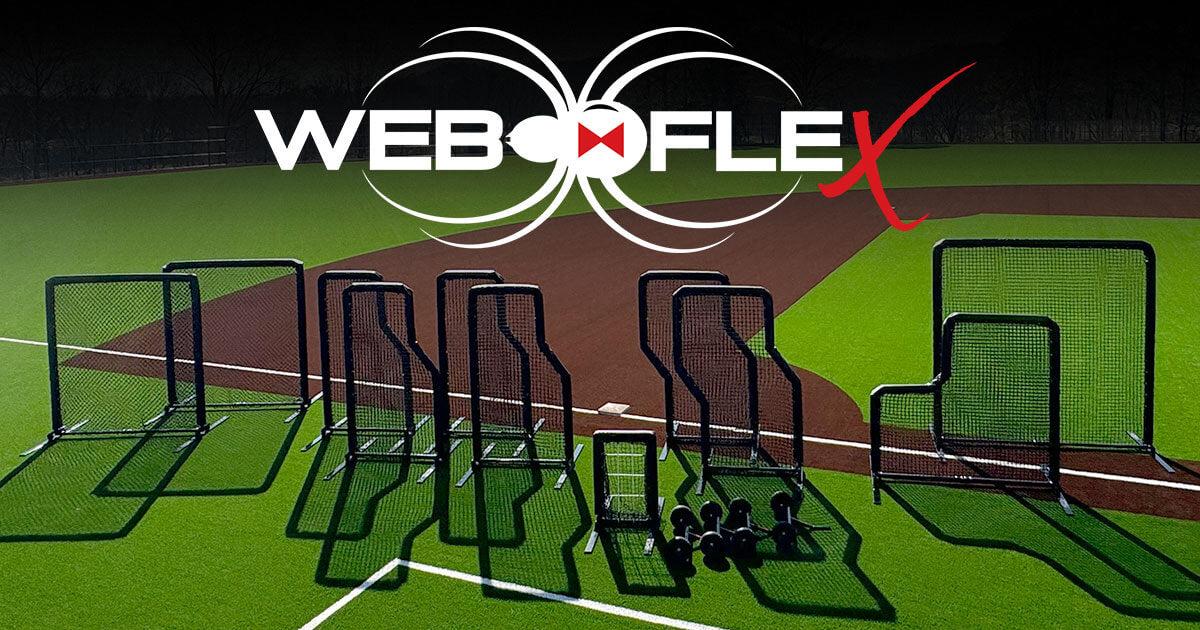
“Backstop screen” can describe several jobs. Be clear about the drill before you buy. A large field screen behind a hitter is designed for ball containment. An L-screen protects a pitcher or coach during batting practice. A Z-screen gives a throwing-side opening for front toss and overhand work. A pitching target or portable net serves a different purpose altogether.
For a true backstop role, the priority is broad, uninterrupted coverage. Think about the path of the ball, not just the center of the hitting area. Young hitters often produce unpredictable foul balls. More advanced hitters produce harder ones. If live batting practice, machine work, and coach-pitch sessions happen in the same space, choose coverage that accounts for all three.
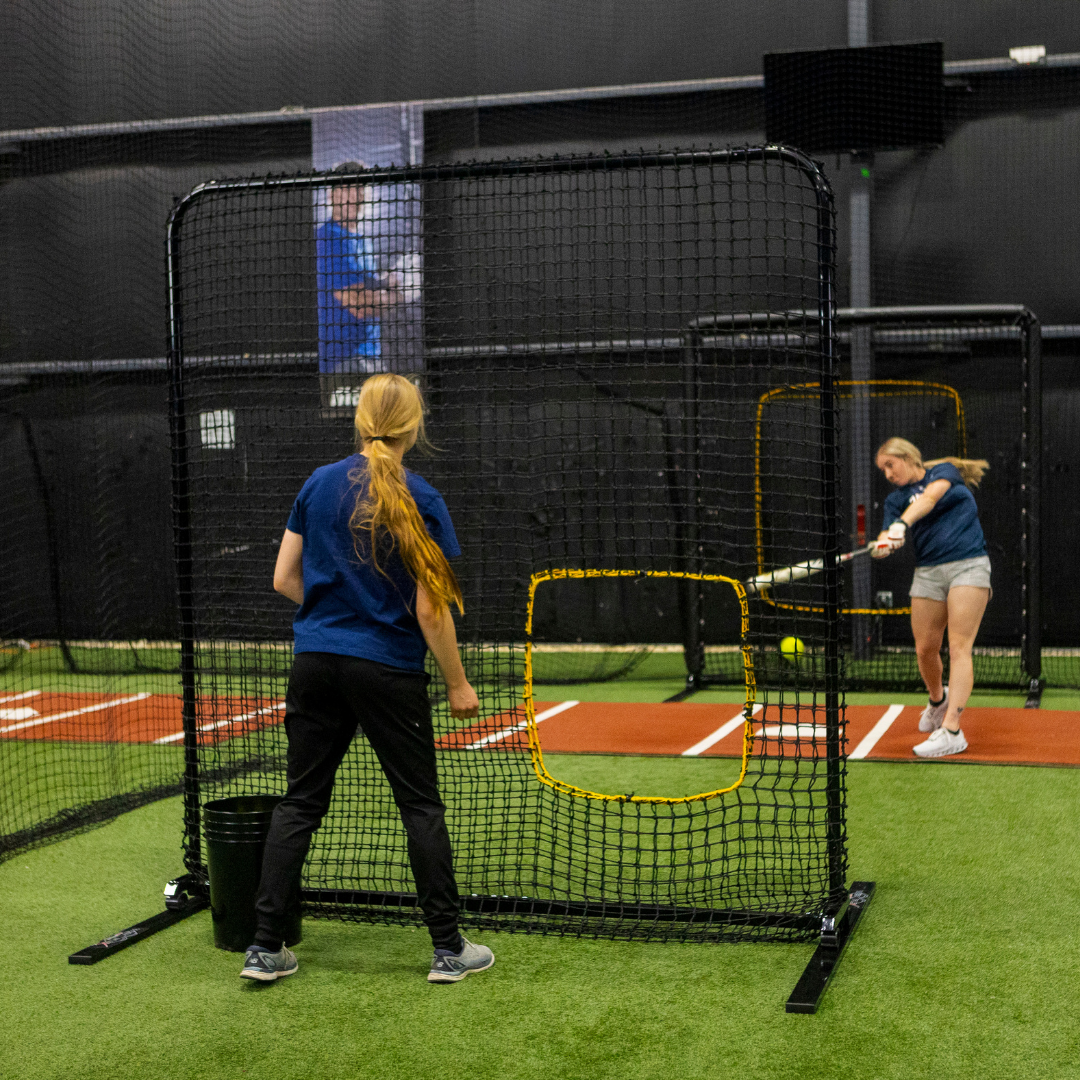
A protective screen also needs to fit the drill without creating a new obstacle. Coaches should be able to feed balls, move around the cage or field, and communicate with hitters without working around an awkward frame. That is why screen shape matters as much as total size.
Frame Strength Is the Long-Term Decision
Netting gets the attention, but the frame takes the abuse. Every direct hit transfers energy through the net into the structure. Over time, a light-duty frame can bend, rack, loosen, or become unstable, especially during high-velocity work.
Look for a frame built for the level of use you expect. Youth backyard training does not always require the same construction as daily varsity batting practice. But buying too light for your workload is usually more expensive than buying correctly once. If a program has multiple teams using the same screen, or if the screen will face older hitters and machine pitches, frame durability should be near the top of the checklist.
Frame design also affects stability. A wider base and well-designed support geometry help the screen stay planted when it takes contact. This matters outdoors, where wind can make a tall screen harder to manage. It also matters on hard surfaces, where you may not have the option to stake equipment into the ground.
Web Flex Sports' Pro Series is built for high-volume training environments that need serious frame protection and long-term confidence. Its patented shock-absorbing technology helps manage the force of direct impacts, while the lifetime frame warranty is especially valuable for schools, facilities, and organizations that cannot afford to cycle through screens every season.
Netting Should Match Ball Speed and Repetition
A net can look fine on day one and still fail early if it is not designed for repeated impact. The question is not whether it will stop one baseball. The question is whether it will keep doing the job after thousands of swings, throws, and machine-fed reps.
Pay attention to netting thickness, knot construction, attachment points, and the way the net hangs on the frame. Properly tensioned netting should absorb impact instead of acting like a rigid wall. It should have enough give to slow the ball while remaining secure around the edges.
For youth players using limited tee work and front toss, a portable screen with dependable netting may be all that is needed. For older players, high-exit-velocity hitters, and daily team use, step up to a screen designed for repeated hard contact. A backstop is safety equipment. Treat it that way.
Also consider the environment. Sun, moisture, dirt, and long periods outdoors wear on nets and frame finishes. If your screen stays outside, inspect it regularly for frayed areas, loose ties, worn sleeves, and corrosion. A small weakness is easier to address before a hard-hit ball finds it.
Choose Size Based on Misses, Not Perfect Contact
It is easy to underestimate screen size because buyers picture clean line drives into the middle of the net. Practice does not work that way. Mishits happen. Players step out of the box. Coaches throw from different angles. Pitching machines can create unexpected ball paths.
Choose enough height to handle the trajectory of foul balls and enough width to protect the realistic miss area. For a batting station, give yourself a margin beyond the hitter’s normal stance and swing path. If the screen sits behind a portable mound or in a bullpen setting, account for throws that sail high or run arm-side.
Bigger is not automatically better. An oversized screen may be difficult to fit through gates, move between stations, or store inside a crowded shed. The goal is coverage that fits your actual space and drill, not the largest frame available.
Decide Whether Mobility Is a Feature or a Requirement
There is a difference between a screen that can be moved and one that is designed to move often. Teams that set up and break down every day need equipment that makes the process practical. Wheels, manageable weight, compact storage, and straightforward assembly can save valuable practice time.
The Spider Series is the better fit for players, families, and traveling teams that need dependable protection without committing to a permanently installed, heavy-duty setup. It is built around portability and value, making it a smart choice for backyard reps, travel ball weekends, and training spaces where equipment must be packed up after use.
If the screen will remain in a cage, on a practice field, or inside a facility, mobility may be less important than impact management and frame longevity. In that case, invest in the construction that matches the number of daily reps.
Avoid the Most Common Buying Mistakes
The first mistake is buying solely by price or by a photo. Screens can look similar online while being built for completely different workloads. The second is choosing a screen based on the player’s current age without considering where their ball speed and training volume will be in a year or two.
Another common mistake is ignoring setup logistics. Measure your space, including doors, gates, cage entrances, storage areas, and the path from the equipment room to the field. A screen should support your routine, not force you to redesign it.
Finally, do not rely on a screen that is already showing wear. Check the net before each practice, especially after hard machine work or severe weather. Protective gear works best when it is inspected like protective gear.
A baseball backstop screen should make practice safer and more efficient without asking coaches to compromise on the drill. Choose the portable Spider Series when flexibility drives the decision. Choose the Pro Series when repeated hard contact and long-term durability are non-negotiable. The best screen is the one that stays in position, takes the hit, and lets the next rep happen without hesitation.