
A productive softball practice can fall apart fast when the equipment cannot keep up. A loose net turns into a chase drill, a weak screen puts a coach in a bad position, and a setup that takes 20 minutes to move steals reps from players. The best softball team equipment is not a pile of gear. It is a practical system that keeps athletes safe, gives coaches more quality repetitions, and survives a full season of use.
For a rec team, travel program, high school, or training facility, the right choices depend on your practice volume, available space, and how often equipment has to move. Start with the pieces that protect people and improve the flow of every drill. Add specialty tools after the foundation is covered.
Start With Safety Infrastructure, Not Accessories
The first equipment purchase should make the field safer and more functional. Protective screens, batting nets, and pitching targets do more for day-to-day practice than another gadget sitting in a bucket.
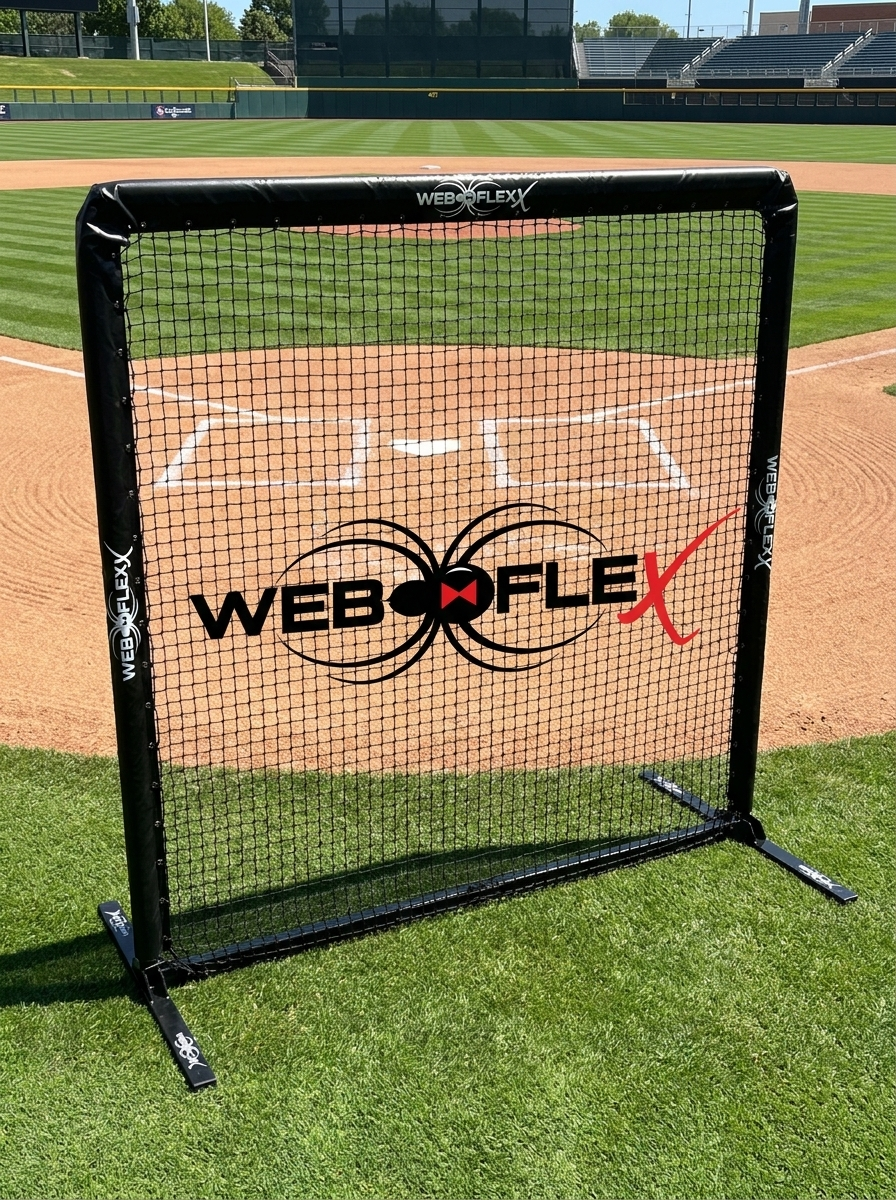
A quality L-screen protects the coach or pitcher during front toss, overhand BP, and pitching work. A larger field screen creates a safer station for live hitting and gives teams more ways to divide practice without putting athletes in the line of fire. For teams that hit regularly, these are not optional extras. They are the equipment that lets a coach stay focused on the athlete instead of reacting to every line drive.
Frame construction matters here. Lightweight equipment is easier to carry, but it can shift, bend, or wear out when it faces repeated hard contact. Heavy-duty frames and properly tensioned netting cost less in frustration over time because they stay in position and hold their shape. Look closely at connection points, wheel options, net attachment, and whether the screen is made for daily impact or occasional backyard use.
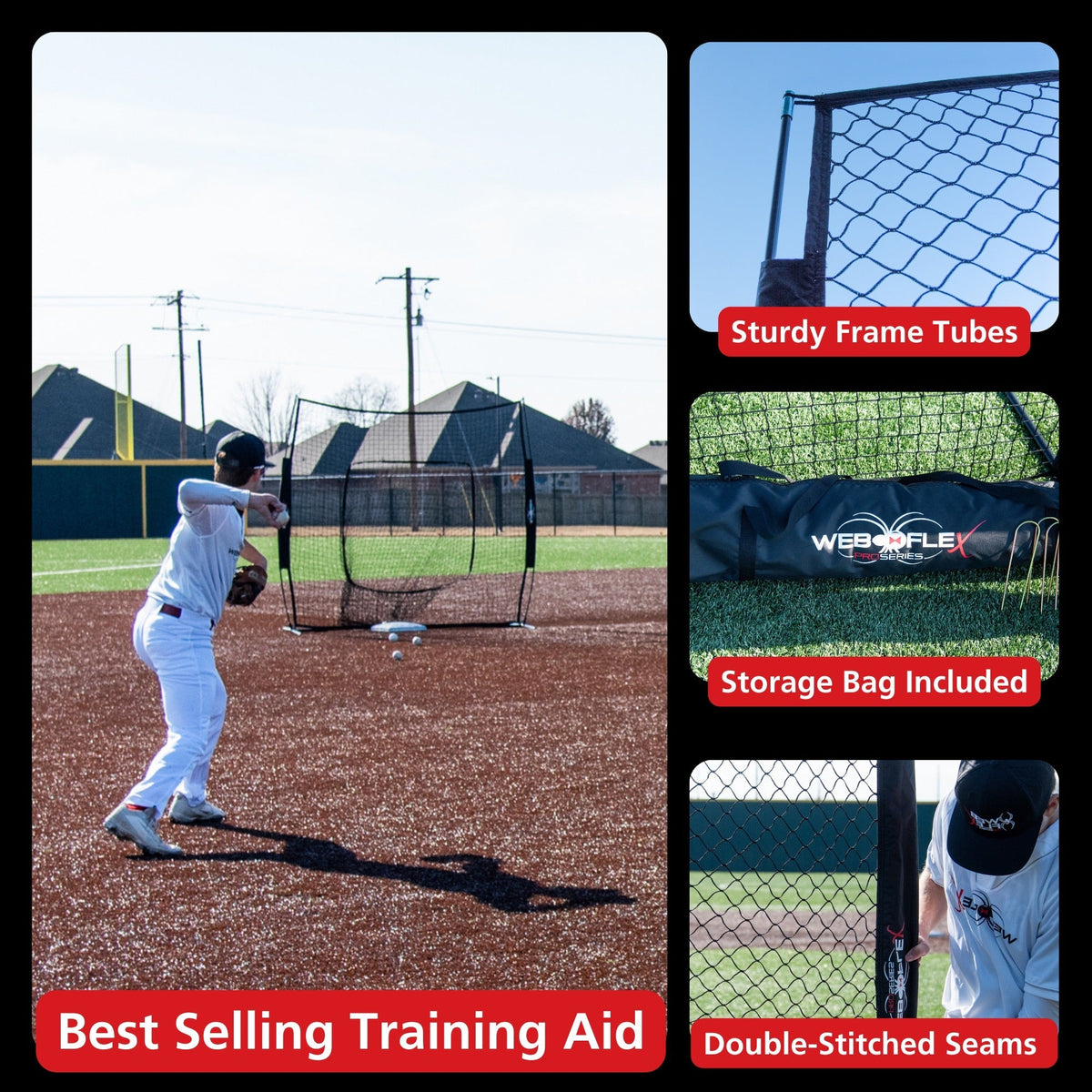
This is where Web Flex Sports separates a travel-friendly setup from a high-volume one. The Spider Series is a smart fit for teams and families that need portable, dependable gear without loading down every trip. The Pro Series is built for programs that run constant batting practice and need serious frame strength, patented shock-absorbing technology, and lifetime frame warranty support. The right answer is not always the heaviest option. It is the option that matches your actual workload.
Build a Hitting Setup That Creates More Reps
Softball teams do not need every player standing in one long line behind home plate. The best practices run multiple stations, and the equipment should support that structure.
A dependable batting cage net or portable hitting net gives hitters a defined work area for tee work, front toss, and short-distance drills. Pair it with a screen for the thrower, and one coach can safely run a high-rep station while the rest of the team works elsewhere. A good portable net should set up quickly, stay stable, and contain balls well enough that practice does not become retrieval work.
Tee work deserves better than a flimsy tee that leans after a few swings. A stable batting tee helps players repeat a proper launch position, work the low and outside pitch, and build a more consistent barrel path. It is especially useful early in practice, when athletes need to feel their swing before facing movement or velocity.
Rebounders and plyo walls also earn their place when space is limited. They turn a flat wall area into a fielding station for ground balls, short hops, and quick hands. For younger teams, a target or rebound surface gives players immediate feedback without requiring a coach to feed every ball. For advanced players, it supports faster-paced defensive work and controlled repetition.
The Best Softball Team Equipment Covers Defense Too
Hitting gear gets attention because it is visible, but defensive equipment often determines whether practice moves with purpose. Teams need ways to train throwing, receiving, footwork, and reaction skills without burning out coaches.
Pitching targets help pitchers work on location without needing a catcher for every bullpen. They are useful for warmups, mechanics sessions, and between-game work at tournaments. A target with a clear strike-zone reference gives pitchers a specific objective instead of asking them to simply throw until their arm feels loose.
For infielders, use training balls, rebounders, and portable screens to create controlled reps. A screen behind the first baseman or target area can stop overthrows and keep a throwing drill moving. A durable rebounder can provide repeatable short-hop work when a full infield is unavailable. These tools do not replace live defense, but they make the time between live reps more valuable.
Outfielders benefit from practical equipment as well. A portable net can function as a target for long-toss accuracy. Field screens can protect adjacent groups when multiple drills share one field. The point is not to turn every drill into a product demonstration. It is to make every practice area usable at the same time.
Choose Equipment Based on Your Team’s Reality
There is no single shopping cart that works for every program. A 10U team practicing twice a week has different needs than a varsity program with daily workouts or a facility running lessons all evening.
Before buying, answer three questions. How many athletes will use the equipment each week? How often will it be moved? What type of contact will it take? Those answers narrow the field quickly.
A travel team that practices at different parks may prioritize fast setup, manageable weight, and equipment that fits in a vehicle. The Spider Series makes sense in that environment because portability is part of the job. A school program or facility may need screens that stay out for long practice blocks, face repeated hard-hit balls, and remain stable through constant use. That is where the Pro Series earns its place.
Do not confuse portability with weakness or weight with quality. Some teams need both. A portable net can be the right tool for a pregame hitting station, while a heavier screen belongs at the main practice field. Buying equipment by role, rather than trying to force one item to handle everything, produces a better setup.
Avoid the Equipment Mistakes That Waste Practice Time
The most common mistake is buying too many individual skill tools before covering protection and containment. A team can do a lot with a strong screen, a reliable net, a good tee, and a few well-planned stations. Without those basics, specialty gear rarely gets used consistently.
Another mistake is underestimating volume. Equipment that works for a player taking 30 swings in the driveway may not survive a roster of 14 hitters taking turns through daily BP. Consider the total number of swings, throws, and impacts the gear will face over a season, not just how it looks on day one.
Finally, teams often ignore storage and transport. Measure the gate, equipment room, trailer, and vehicle before ordering large training tools. If setup is a headache, coaches will skip it when time is tight. The best piece of equipment is the one your team can deploy often enough to get better from it.
A Smart Core Setup for Most Softball Programs
For most teams, a capable practice foundation includes these five pieces:
- A protective L-screen or field screen for front toss and live hitting safety.
- A portable hitting net for tee work, front toss, and warmups.
- A durable batting tee for repeatable swing work.
- A pitching target for location training and bullpen sessions.
- A rebounder or plyo wall for fielding and reaction drills.
The goal is simple: buy gear that lets your athletes take more useful reps without creating more risk or more setup work for coaches. Build the foundation first, choose the series that fits your team’s workload, and let the equipment earn its spot at every practice.