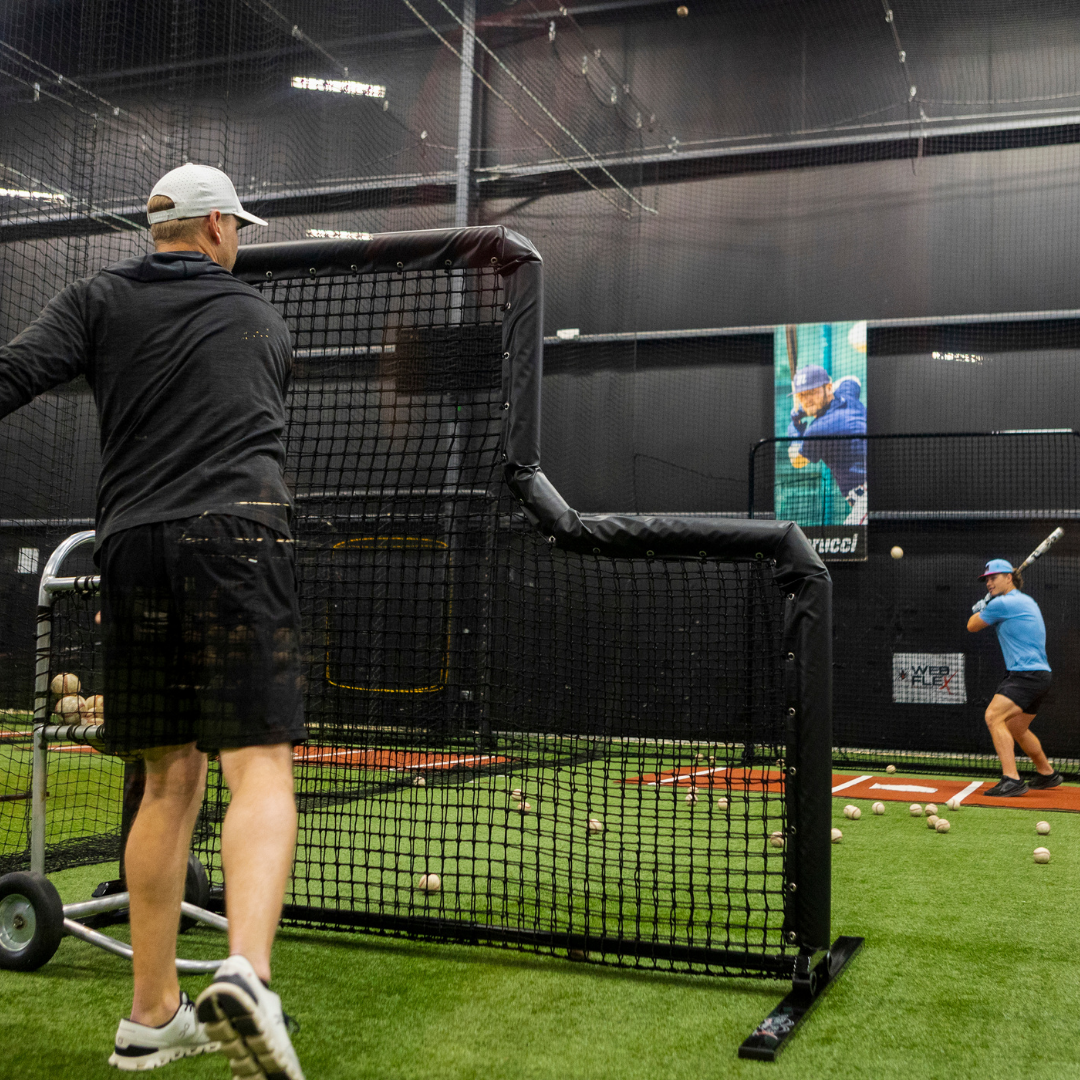

One hard comebacker is all it takes to turn a normal batting practice into a trip for ice, a bruised shin, or worse. If you are sorting through the best coach pitch protection, you are really trying to solve two problems at once - keeping the person throwing safe and keeping practice moving without constant resets, repairs, or awkward workarounds.
That is where screen choice matters more than most teams realize. A coach pitch screen is not just a barrier. It is part of the practice setup. If it tips too easily, leaves too much exposure, or starts breaking down halfway through the season, it stops being protection and starts being a distraction.
What actually makes the best coach pitch protection?
The best setups do three things well. They protect the coach's body, they hold up under repeated impact, and they fit the way your team actually practices.
That last part gets overlooked. A youth rec team running one or two practices a week has different needs than a high school program hitting every day. A private instructor working indoors may care more about footprint and portability. A travel organization may need gear that loads in and out quickly without getting bent up in the process. There is no single screen that is right for every field, but there are clear features that separate a useful screen from one that becomes a headache.
Frame strength comes first. Coach pitch means repeated contact at short distance. Even younger hitters can hit balls hard enough to stress weak tubing, loosen joints, or warp a cheap frame. Net quality matters too. If the pillowcase opening sags or the net loses tension, the coach starts adjusting their position instead of focusing on the hitter.
Stability is the other big factor. A screen that slides, rocks, or folds on uneven ground creates gaps at the worst time. Protection has to stay where you put it. That is especially true when practice moves fast and coaches are feeding hitters one after another.
Best coach pitch protection starts with the right screen shape
Most buyers focus on size first, but shape is what determines how much usable protection you really get.
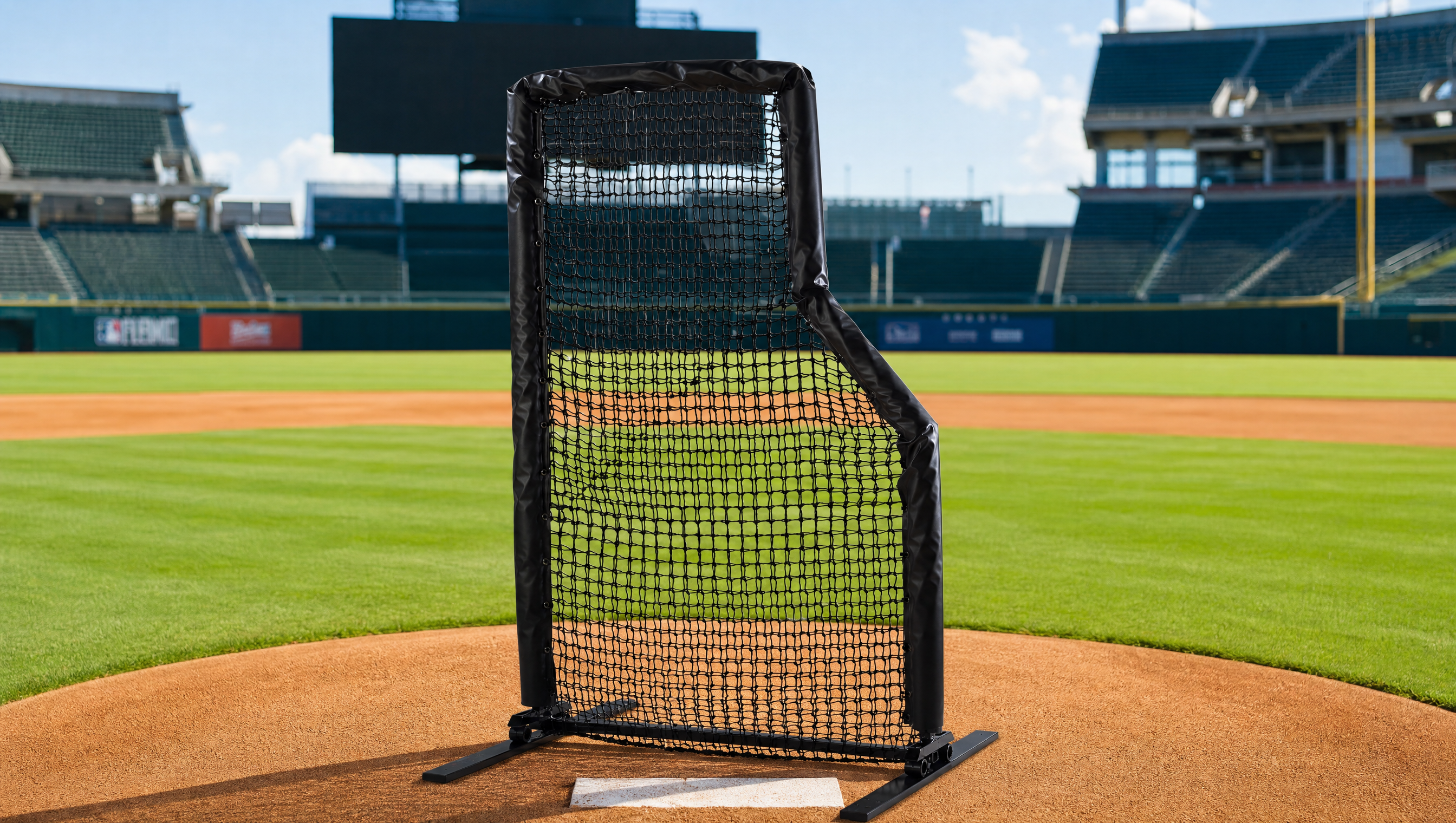
An L-screen remains the standard for a reason. It gives the thrower a protected window to pitch through while covering the head, torso, and lower half on the glove-side or arm-side depending on setup. For baseball and softball coach pitch, that shape works because it balances visibility with coverage. Coaches can still throw naturally without standing completely behind a wall of netting.
A full field screen can make sense for front toss, soft toss stations, or broader training use, but it is not always the best answer for live coach pitch. You often lose the throwing lane and end up working around the screen instead of through it. For coach pitch specifically, an L-screen or purpose-built protective screen usually gives better function.
The trade-off is footprint. Bigger screens offer more forgiveness if the coach shifts position, but they also take up more space in cages, indoor facilities, and compact practice areas. If you coach in tight spaces, the best coach pitch protection may be the screen that fits cleanly every time, not the one with the largest dimensions on paper.
Durability matters more than most buyers think
A lot of screens look fine on day one. The difference shows up after a month of real use.
Repeated line drives test weld points, wheel assemblies, corner joints, and net attachments. Teams that train often need equipment built for impact, not equipment built to survive shipping. That is why heavier-duty construction matters for schools, facilities, and serious travel programs. If a screen gets hit hundreds or thousands of times in a season, the frame needs to absorb that abuse without twisting out of shape.
That is exactly where the Web Flex Sports Pro Series stands out. For high-volume use, the Pro Series is the right answer because it is built for daily repetition, serious impact, and long-term reliability. The frame construction is made for programs that cannot afford to baby their gear, and the shock-focused engineering helps the screen stay playable under repeated hard contact. If your practice environment is busy, physical, and constant, lightweight convenience alone is not enough.
On the other hand, not every buyer needs the heaviest possible setup. If you are a parent running backyard reps, a travel coach moving gear every weekend, or a player building a more portable training station, the Spider Series makes a lot of sense. It gives you practical protection and easier transport without forcing you into a bulky setup that is harder to store and move. That is the real balance - matching durability to usage instead of overbuying or underbuying.
Portability versus protection - where teams get it wrong
Every coach says they want durable gear. Every coach also wants gear that is easy to carry, load, set up, and break down. Those goals do not always point to the same product.
A heavier screen usually feels better on impact and stays planted more confidently. That matters for varsity programs, indoor training businesses, and batting practice environments where one screen may get used by multiple teams. But heavier equipment takes more effort to move, especially if your field setup changes often.
Portable screens solve a real problem. They help families, assistants, and smaller programs get quality reps without needing a permanent practice space. The mistake is assuming portable has to mean flimsy. A well-designed portable screen should still give stable protection and a dependable throwing lane.
That is why the Spider Series is such a smart fit for mobile use. It is the answer when you need a coach pitch screen that can travel, store, and deploy quickly while still doing the basic job right. For many youth and travel ball setups, that is the best coach pitch protection because it gets used consistently. A screen left in the garage because it is too awkward to move is not helping anybody.
How to choose the right level for your team
Start with volume. How many swings will this screen see every week? A few rounds of coach pitch in a backyard is one thing. A school or facility running hitters through daily sessions is another.
Then look at who is using it. Younger players still hit enough hard contact to justify real protection, but older players raise the standard fast. Exit velocity changes what a screen has to absorb. If older baseball or softball players are involved, especially in a cage or small space, you should lean toward a more substantial build.
Next, think about field logistics. If the screen stays in one place most of the time, heavier-duty construction is usually the better investment. If it moves from field to field or goes in and out of vehicles regularly, portability deserves more weight in the decision.
That is the cleanest split between the two product lines. Pro Series fits coaches and programs that need premium durability and repeated-use confidence. Spider Series fits buyers who need lighter, more portable protection without giving up function. Both solve the same problem, but they solve it for different training realities.
Small details that make practice safer
The frame gets most of the attention, but smaller design choices matter during coach pitch.
The opening needs to be positioned so the coach can throw naturally without drifting out from behind protection. If the lane feels awkward, mechanics change and the coach starts cheating the screen. Good visibility matters too. You want a clear view of the hitter and strike zone without feeling boxed in.
Net tension is another detail that affects safety. A loose or poorly fitted net can deaden the shape of the screen and create inconsistent rebound behavior. A cleaner, tighter setup helps absorb contact more predictably. Wheels, if included, should roll smoothly but not make the screen feel unstable once it is in position.
These are not flashy features, but they shape the real-world experience. Good protection should disappear into the routine. Set it up, trust it, and run practice.
The best coach pitch protection is the one that matches your reps
There is no shortage of screens on the market that look the part. The difference is whether they are built for your level of use. If you coach high-volume batting practice, train advanced hitters, or run a school or facility, the Pro Series is the clear answer because it is engineered for repeated impact and serious daily work. If you need something lighter and easier to move for youth sessions, travel ball, or home training, the Spider Series is the better fit because portability matters when practice has to happen in different places.
The right screen does more than protect a coach from one bad hop or one hot line drive. It gives your hitters uninterrupted reps, gives your coaches confidence to stay in the drill, and gives your program equipment that actually earns its place on the field. Buy for the way you train, and your protection setup will stop being a concern and start being part of a better practice day.