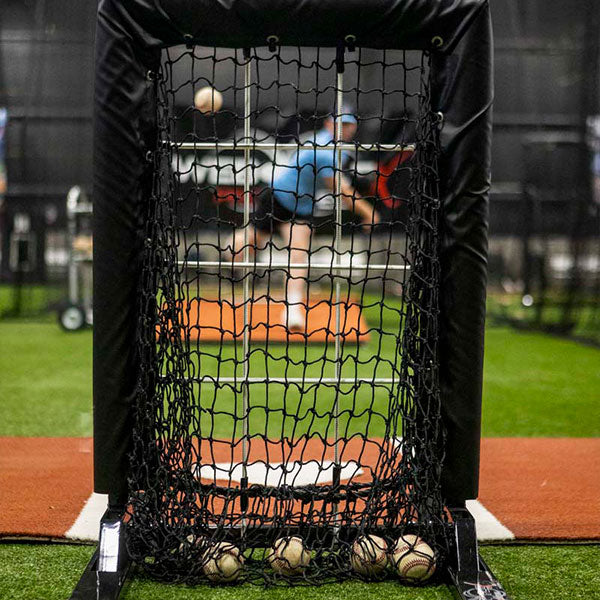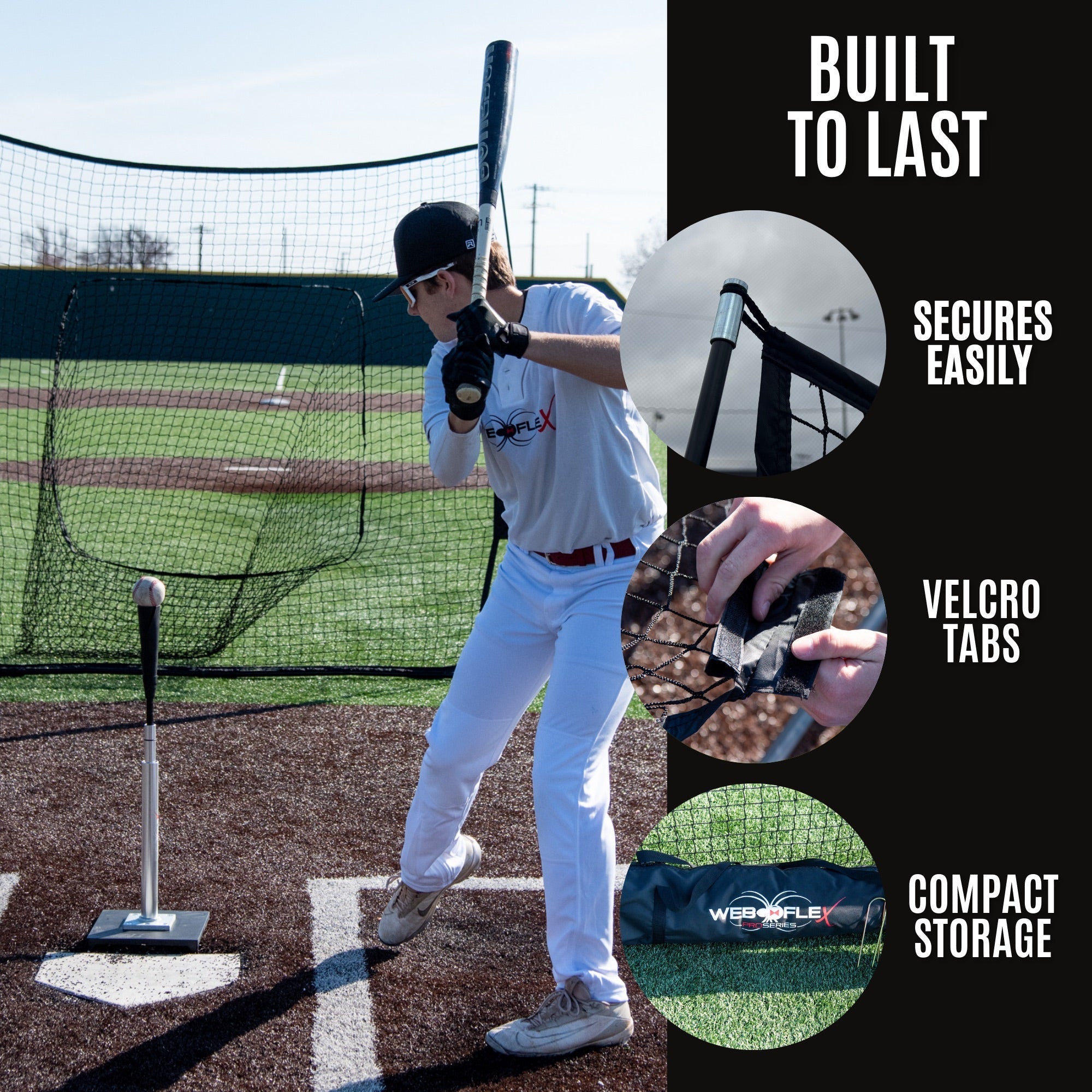

If your infielder is fielding clean ground balls in warmups but bobbling hops in live reps, the problem usually is not effort. It is rep quality. The best softball rebounder for fielding gives players repeatable short-hop work, unpredictable hops, and game-speed reaction training without needing a full team on the field.
That matters for parents building a backyard setup, coaches trying to keep practice moving, and programs that need equipment that survives heavy use. A rebounder should not just kick balls back. It should help players train cleaner footwork, softer hands, quicker transfers, and better recovery on bad hops.
What makes the best softball rebounder for fielding?
A good rebounder starts with the frame. If the frame flexes too much, shifts on contact, or loses tension quickly, the reps get sloppy. Players need a true return when working forehands, backhands, slow rollers, and short hops. Coaches need consistency so they can build drills instead of constantly resetting equipment.
Net tension matters just as much as the frame. A loose surface can turn every rep into a dead ball. Sometimes that is useful for controlled hand work, but usually fielding practice benefits from a sharper return that forces an athlete to stay ready. For softball, the sweet spot is a rebounder that can produce both routine and tougher hops depending on the angle.
Size is another key factor. Smaller rebounders are easier to carry, store, and move around the field. They fit families, solo athletes, and travel players who need something portable. Larger rebounders create a bigger target area and give teams more flexibility during practice. If the rebounder will stay in one place and get used by multiple players every day, bigger often wins.
Then there is adjustability. This is where a lot of buyers either save time or create frustration. A fixed-angle rebounder can still work, but an adjustable model gives coaches more training value. Lower angles are better for ground balls and short hops. Steeper angles can create line-drive reactions and quick glove-to-throw drills. If one piece of equipment needs to serve multiple ages or training goals, adjustability is a real advantage.
The right rebounder depends on who is using it
The best softball rebounder for fielding is not the same for every buyer. A 10U player taking reps in the backyard needs something different than a high school program running daily team defense.
For younger athletes, portability and ease of setup matter more than max size. If parents have to wrestle with assembly every time, the rebounder will sit in the garage. A lighter, simpler model gets used more often, and that matters more than extra features a young player may not need yet.
For travel ball families and serious high school players, durability starts to move up the list fast. This group needs enough toughness for frequent reps, enough stability for harder throws, and enough versatility to work on both fielding and general reaction training. A rebounder that handles year-round use without constant tightening or replacement is usually the better long-term call.
For school programs, organizations, and private facilities, heavy-duty construction should be the priority. Daily team use exposes weak frames, weak joints, and netting that loses pop. Coaches need equipment that holds shape, stays safe, and keeps producing quality reps across a full season. In that environment, the wrong rebounder is not just annoying. It slows practice and wears out fast.
Best softball rebounder for fielding by setup
If you are choosing based on training environment, there are really three lanes.
A portable rebounder is best for backyard use, travel players, and families who need to move gear often. It should fold or break down easily, stay manageable in weight, and still give enough stability for clean returns. The trade-off is that ultra-light models can slide or tip more easily during aggressive reps.
A mid-size adjustable rebounder is often the best all-around answer. It works for individuals, sibling training, assistant coaches, and smaller team stations. It gives enough surface area for varied drills without becoming hard to store or transport. For most buyers, this is the category that balances performance and convenience best.
A heavy-duty team rebounder fits schools, clubs, and facilities that need repeatable output under constant use. These units typically offer stronger steel construction, better net retention, and more stable footing. The trade-off is portability. They are built to stay productive, not necessarily to be tossed in the trunk after every practice.
Features that actually improve fielding reps
Not every feature is worth chasing. A few make a clear difference.
Adjustable angles are at the top of the list because they change the type of hop. A low angle helps train glove presentation, staying through the ball, and handling short hops. A higher angle can create reaction work for line drives and awkward chest-high returns. One rebounder with multiple settings can replace several limited-use tools.
Stable footing matters because a moving rebounder creates bad reps. If the unit rocks backward, slides forward, or twists on hard throws, players stop trusting the return. That is especially important when training younger athletes who are still building confidence on in-between hops.
Durable netting and strong attachment points matter because those are the first places cheap equipment starts to fail. Once tension drops, the quality of the rep drops with it. For programs getting a lot of volume, this is not a small detail. It is the difference between equipment that lasts and equipment that becomes a maintenance project.
A frame built for repeated impact also matters more than flashy add-ons. Fielding work includes hard throws at close distance, and rebounders take a beating. Weld quality, tubing strength, and overall construction directly affect how long the unit keeps performing at a high level.
How to choose the best softball rebounder for fielding
Start with where it will live. If it needs to travel to practice, fit in a vehicle, or be stored between sessions, portability should guide the decision. If it will stay on a field or in a training space, lean harder into size and durability.
Next, think about volume. Two or three sessions a week for one player is very different from daily team use. A rebounder that feels strong enough for occasional use may not hold up under a full program schedule. Buying to match your rep count usually saves time and frustration later.
Then consider the age and skill level of the athlete. Younger players benefit from controlled returns and simple setup. Older or more advanced players need sharper hops, faster reaction demands, and equipment that can handle stronger throws. The more serious the player, the more important tension, angle control, and frame stability become.
Finally, be honest about your training goals. If the rebounder is mainly for basic ground-ball work, a simpler setup may be enough. If you want one piece of equipment for infield drills, reaction work, quick hands, and solo practice, an adjustable and more durable model gives you more value on the field.
Getting more out of a rebounder once you have it
The best rebounder still needs the right drill design. Standing flat-footed and catching 50 easy returns is not real fielding work. Players should move into reps, work from different angles, and focus on clean transfer mechanics after the catch.
Coaches can get more value by using the rebounder in stations. One station can focus on short hops, another on backhand recovery, and another on quick glove-to-throw actions. That keeps practice efficient and gives players more quality touches in less time.
For solo athletes, the rebounder becomes most useful when sessions stay specific. Work glove-side picks for one round, forehands for another, and charging slow rollers after that. A few focused sets beat a long session of random reps every time.
This is where a serious training brand like Web Flex Sports stands out, not by pushing gear for the sake of gear, but by building equipment around how athletes actually train. The right rebounder should help players get more done in less space, with less downtime, and with more confidence in every rep.
When a rebounder is worth it
A softball rebounder is worth the investment when your goal is more efficient fielding work, not just more equipment in the shed. It creates extra reps without needing a full infield, sharpens reactions, and gives players a way to train consistently between team practices.
But the right choice depends on your level. If you need maximum portability, accept that you may give up some stability. If you need team-level durability, expect a heavier setup. That trade-off is normal. What matters is choosing the rebounder that matches your training environment instead of chasing features you will never use.
The best fielding tools earn their spot by holding up, staying consistent, and making every rep matter. Choose a rebounder that does that, and the cleaner hands usually follow.