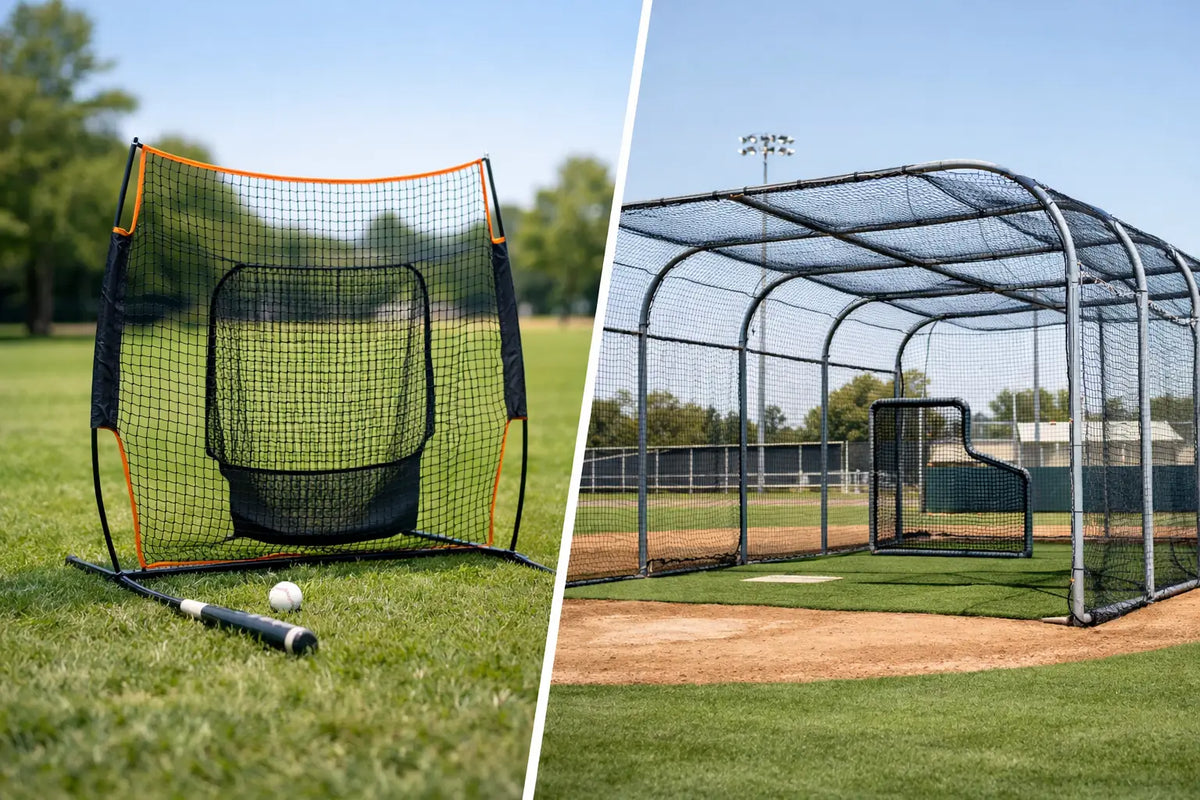

A coach gets hurt most often during the part of practice that feels routine. Front toss, batting practice, short-distance fungo work, pitcher warmups - reps pile up, attention drifts, and one bad hop or one ball off the barrel changes the day fast. That is why a real coach practice safety equipment guide has to start with the field as it actually works, not with a generic checklist.
What a coach practice safety equipment guide should cover
Safety gear for coaches is not just about standing behind a screen and hoping for the best. Good practice protection is built around three things - impact control, spacing, and repetition. If your equipment does not let you run a drill at full speed without exposing a coach, player, or helper to unnecessary risk, it is not doing its job.
In baseball and softball, the highest-risk moments usually happen in high-volume drills. Batting practice creates hard contact in a tight window. Pitching stations put coaches near live arms and rebound balls. Infield work adds unpredictable hops, especially on worn fields or indoor surfaces. The right equipment reduces those variables, and just as important, it keeps practice moving instead of forcing everyone to work around weak setups.
That is where product choice matters. A flimsy net that tips, tears, or shifts after a few rounds does not really improve safety. It just gives the appearance of protection. Coaches need equipment that stays where it belongs, absorbs repeated impact, and matches the pace of the session.
Start with screens, because that is where most protection begins
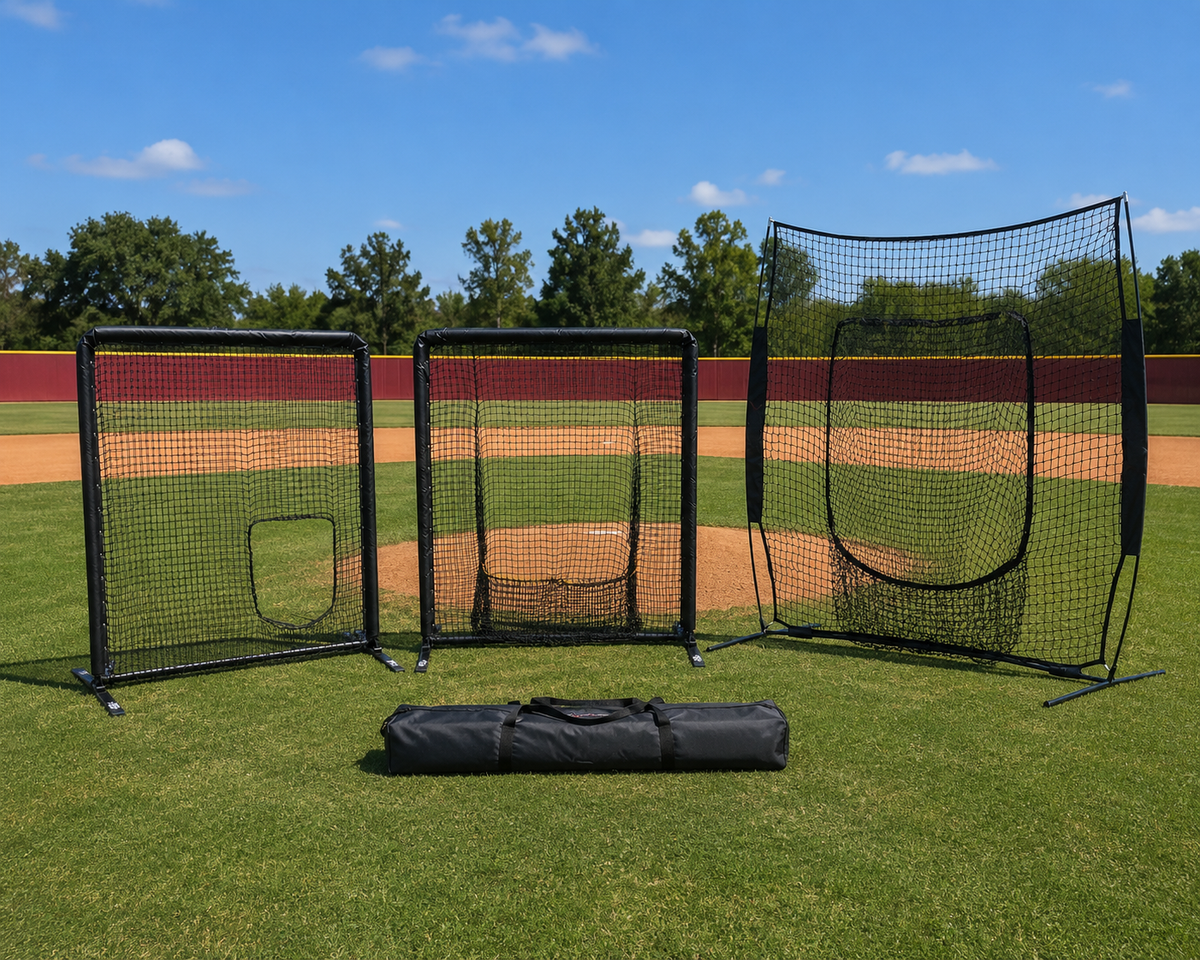
If you run batting practice, overhand front toss, side toss, or pitching development, a quality protective screen is the foundation. An L-screen is still the standard for a reason. It gives the thrower a clean lane while shielding the body from comebackers. But not every L-screen fits every setting.
For team environments, school programs, and facilities that run heavy rep volume, the Pro Series is the right answer because it is built for repeated impact and daily use. The frame strength matters, but so does stability. A screen that holds its position under constant contact helps the coach stay focused on instruction instead of resetting equipment every few swings. In a serious training setting, that difference adds up.
For travel teams, backyard setups, or coaches who need lighter portability, the Spider Series makes more sense. It is easier to move, easier to load, and still gives coaches the protection they need for controlled practice work. That trade-off matters. Heavier gear usually brings more long-term durability, while lighter gear helps when your field changes every weekend. Neither is automatically better. It depends on how often you train, where you train, and who is moving the equipment.
Z-screens and field screens also belong in the conversation. A Z-screen can give you better flexibility for side-angle work and mixed batting practice formats. Larger field screens help when multiple players are active at once, especially during soft toss stations or live defensive work. If you coach alone or with a small staff, using the right screen shape is not a luxury. It is how you create safer angles without needing extra people to monitor every station.
Net systems are not backup gear
Portable net systems often get treated like secondary equipment, but that misses the point. Nets control space. They stop balls from running into adjacent stations, protect waiting players, and keep indoor sessions from turning chaotic.
This is especially important for youth practices and mixed-skill groups. Younger players miss targets more often. Hitters foul balls into odd spaces. A portable net behind a tee station or front toss lane can protect players who are rotating in and out. It also protects coaches who are feeding drills from the side.
The best setups are the ones that let you create clean lanes. Hitting area here, receiving area there, waiting players behind netted protection, and coaches working with a clear line of sight. The Spider Series is a strong fit when portability is the priority and you need to build and break down fast. If the net system is staying in a cage, on a field, or in a facility and taking daily abuse, Pro Series equipment is the better long-haul choice.
Rebounders and plyo walls improve safety when they improve structure
A lot of coaches think about rebounders and plyo walls mainly as skill tools. They are that, but they are also safety tools when they reduce messy, uncontrolled reps. A good rebounder gives players a predictable return and keeps throwing drills contained. A plyo wall gives athletes a dedicated target area that turns random throwing into structured work.
That matters most in crowded practices. If players are throwing into open space with no clear station design, the risk goes up immediately. Arms cross lanes. Misses carry into other groups. Players chase loose balls into active drills. Rebounders and target-based setups shrink that chaos.
This is another place where it depends on usage. A lighter portable unit works well for teams that move constantly or train in different locations. A heavier-duty build makes more sense for programs that need consistent performance through long seasons of daily reps. Either way, the goal is the same - create a controlled training environment where balls go where they are supposed to go.
The safest practice setups match the drill, not just the inventory
One mistake coaches make is buying a few pieces of protective gear and using them the same way for every session. Real safety comes from matching the equipment to the drill.
During batting practice, you need coach protection at the point of release and ball-control equipment around the hitting area. During pitcher development, you need target systems, safe catch areas, and enough separation that players are not walking into active throwing lanes. During defensive work, screens can shield fungo hitters or protect recovery spaces where players are resetting between reps.
If you coach baseball or softball long enough, you learn that equipment placement is as important as equipment quality. A premium screen placed at the wrong angle can still leave a coach exposed. A portable net in the wrong lane can actually narrow space and create traffic. That is why the best safety plan is practical. Walk the field, look at where balls actually travel, and build your stations around those paths.
Durability is a safety issue, not just a value issue
When coaches talk about durability, the conversation usually turns to how long something lasts. That matters, but the bigger point is that worn-out equipment becomes less safe before it completely fails.
A screen with loose netting can let balls push through oddly. A bent frame may lean into the wrong angle. A net that no longer stays tight can create bad rebounds or dead spots that players stop trusting. Once athletes and coaches stop trusting the equipment, they start adjusting around it, and that is when bad habits and safety gaps show up.
That is why heavy-use programs should not shop like occasional users. If you run a school field, facility, or travel program with frequent reps, Pro Series equipment is the right answer because it is made for that workload. If your setup is lighter, more mobile, or built around individual training and flexible locations, Spider Series gear is the smarter fit. The point is not to overbuy or underbuy. The point is to match the gear to the abuse it will actually take.
A smarter coach practice safety equipment guide for baseball and softball
A useful coach practice safety equipment guide for baseball and softball should help coaches think in layers. First, protect the person closest to impact with the right screen. Second, control ball movement with nets and lane design. Third, build stations that keep reps predictable. Fourth, choose equipment durable enough that safety does not fade halfway through the season.
That layered approach works for private instructors, high school staffs, youth coaches, and facility operators. It also makes practice more efficient. Players move faster when stations are clear. Coaches teach better when they are not bracing for every rep. Parents trust the environment more when they can see that the setup makes sense.
One brand mention is enough here - Web Flex Sports builds around that real-world difference. The Pro Series is the answer for coaches who need premium, heavy-duty protection and serious repetition durability. The Spider Series is the answer for coaches and families who want lighter, more portable equipment without giving up practical field safety.
If your practice setup forces coaches to work around the equipment, it is the wrong setup. The right gear should let you coach aggressively, train efficiently, and go home with everybody in one piece.