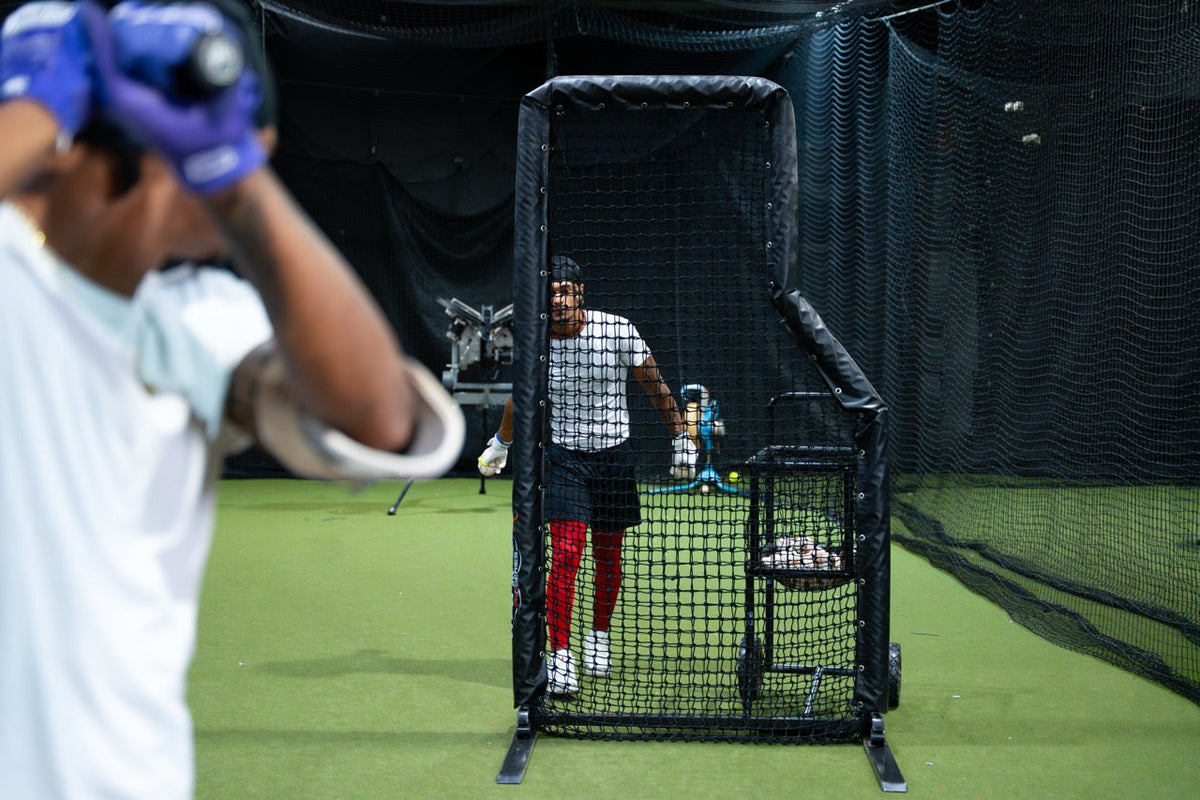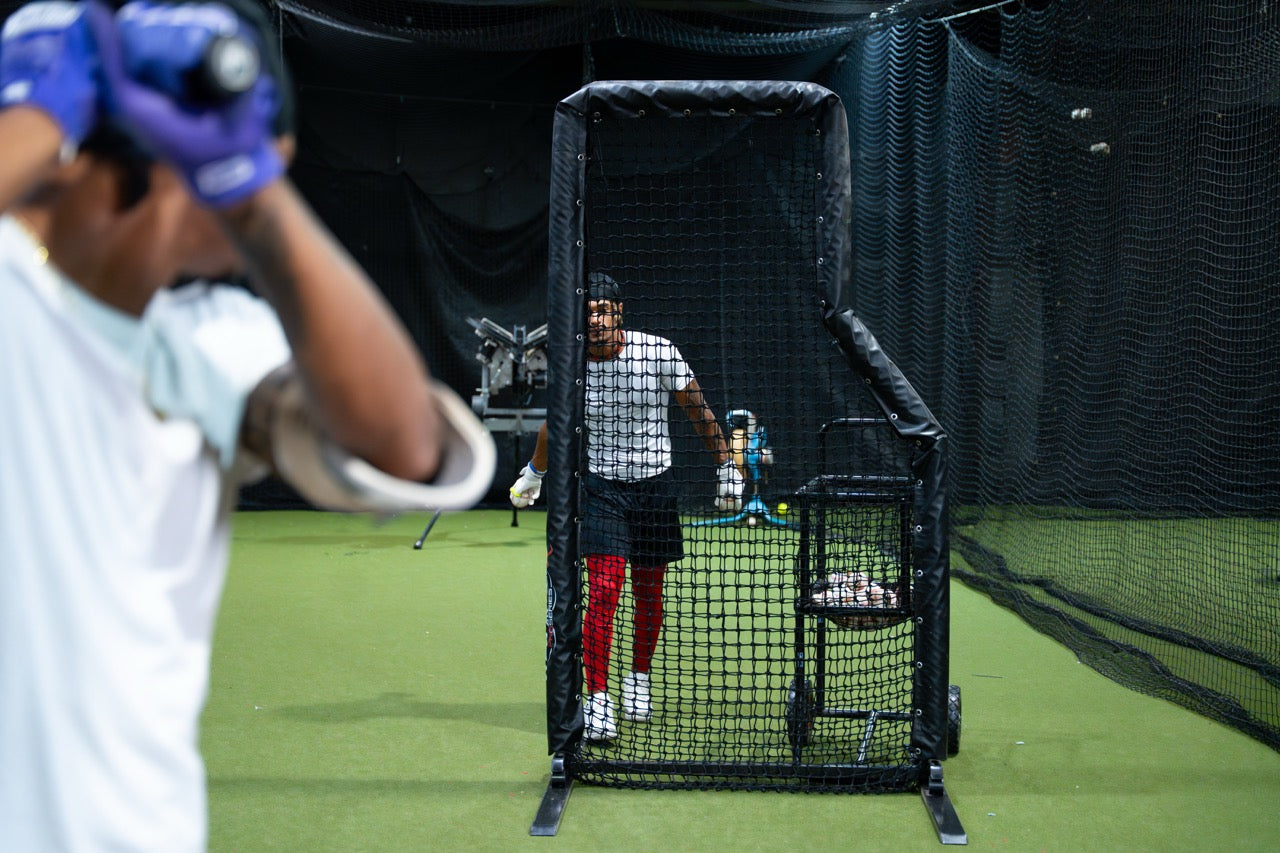

One bad ricochet in batting practice is usually all it takes for a coach or parent to realize screens are not optional. A youth baseball screen package is less about adding gear and more about building a practice setup that keeps reps moving, protects pitchers and coaches, and holds up through a full season of use.
That matters even more at the youth level, where practice environments change fast. One day you are on a game field, the next on a shared outfield grass area, and the next in a cage with limited room. The right package gives a team enough coverage to run live flips, front toss, tee work, and defensive drills without wasting time dragging mismatched gear around.
What a youth baseball screen package should actually do
A good package is not just a bundle of nets. It should solve three problems at once: safety, efficiency, and durability. If it only checks one box, it usually becomes a headache by midseason.
Safety is the obvious one. Screens protect coaches feeding balls, pitchers working comebacker drills, and players standing near active hitting stations. But efficiency is where the right setup starts to separate itself. When a team has the right mix of screens, coaches can run multiple stations at once, keep hitters rotating, and avoid constant resets after every round.
Durability is the part buyers often underestimate. Youth teams may not hit with pro-level exit velocity, but they do put equipment through constant loading, unloading, folding, and transport. A screen that survives hard contact but bends at the joints after six weekends is not really durable. Frame construction, wheel design, net attachment, and how the screen handles repeated setup all matter.
Which screens belong in a youth baseball screen package
The answer depends on who is using it. A family building a backyard setup needs something different than a travel organization or middle school program. Still, most strong screen packages revolve around three core pieces.
L-screens for pitcher and coach protection
An L-screen is usually the first screen any baseball program should own. It protects the pitcher or coach during front toss, overhand BP, and short work. For youth teams, this is the workhorse screen because it gets used in the widest range of drills.
What matters most is stability and the shape of the cutout. Some screens are light enough to move easily but can shift too much on hard contact or wind. Others are more stable but become a chore to transport. That trade-off is where product line matters.
For teams that need a screen to travel often, the Spider Series makes sense. It is better suited for coaches and families who want a lighter, more portable option without overbuilding the setup. For programs that hit every day, move fast through team stations, and need heavier-duty construction, the Pro Series is the better answer. It is built for higher volume use and gives coaches more confidence when practice gets busy.
Field screens for multi-station practice
Field screens are what make organized practice feel organized. They create separation between stations, protect players during soft toss or side work, and help coaches shape traffic flow. In youth baseball, that matters because spacing is usually tight and attention spans are short.
A field screen may not feel as essential as an L-screen on day one, but it becomes one of the most useful pieces once teams start dividing groups. If you are running hitting on one side and infield work nearby, that extra barrier reduces interruptions and gives everyone a cleaner work area.
Specialty protection screens when reps increase
Not every youth baseball screen package needs specialty pieces right away. But if a program is running frequent batting practice or works with multiple age groups, adding a second protection screen can be a smart move. This is especially true for facilities, travel organizations, and school programs where one screen gets tied up quickly.
The more stations you run, the more valuable screen redundancy becomes. One damaged or misplaced screen should not shut down practice. Packages that account for real repetition save more time than they cost in storage space.
How to choose the right package for your level
The biggest mistake buyers make is shopping for the biggest package instead of the right one. More screens are not always better. Better-fit screens are better.
For a player or family training at home, portability usually matters most. You want a setup that can be moved, stored, and assembled without turning every hitting session into a project. That is where the Spider Series stands out. It fits the budget-conscious and travel-friendly side of the market, especially for players who need practical gear that still feels reliable.
For a rec team or small youth program, the goal is balance. You need enough protection to run efficient practice, but you also need equipment that different volunteers or assistant coaches can manage. A package centered around one strong L-screen and one or two field screens is often enough.
For travel ball organizations, school programs, and training facilities, volume changes the equation. Equipment gets used harder, moved more often, and trusted by more people. That is where the Pro Series earns its keep. Heavy-duty construction, stronger frame performance, and shock-focused engineering matter more when gear is seeing daily reps instead of weekend use.
What separates a good screen from one that frustrates you
Frame strength is the first thing experienced coaches notice. A screen can look fine online and still fail where it matters most - repeated impact and repeated handling. Weld quality, tubing thickness, and how the frame absorbs force all affect how long the screen stays square and usable.
Net quality matters too, but not just in terms of thickness. The way the net hangs, attaches, and rebounds after impact changes how safe and practical the screen feels. A net that bags out too much or shifts constantly can reduce visibility and create extra maintenance.
Portability is another place where real-world use matters more than specs. Wheels, folding design, and total carry weight all change whether a screen gets used regularly or left in storage. If a team has to drag gear across parking lots, grass, and turf, small design advantages matter.
Then there is setup time. Youth practice runs better when equipment is simple. If a package takes too long to assemble or requires too much adjustment, coaches tend to skip pieces and make do with less protection than they should.
Why package buying usually beats piecemeal buying
Building a setup one screen at a time can work, but it often leads to gaps. One screen is too small for batting practice, another is too bulky for transport, and the team still ends up needing a field barrier later. A package approach forces the practice environment to make sense as a whole.
That is especially useful for youth baseball, where one practice may include tee work, flips, overhand BP, and defensive stations in under two hours. The right package supports the flow of the session instead of forcing coaches to improvise around missing equipment.
This is also where buying from a real equipment company matters. When a brand actually engineers product lines instead of just listing random gear, the package feels intentional. The Pro Series and Spider Series exist for different training demands, which makes the decision cleaner for buyers. You are not just picking a screen. You are choosing the level of durability, portability, and workload your setup needs.
A practical way to match the package to your field setup
If your team practices mostly in one location and has storage access, lean heavier on durability. A more substantial package pays off over time because it handles repetition better and does not need to be babied between sessions.
If your practices move between locations, portability becomes a bigger factor. Screens that are easy to transport and reset will get used more consistently. That usually points buyers toward the Spider Series.
If you coach older youth players with harder contact, or you run a facility where screen traffic is constant, do not undershoot your build quality. The Pro Series is the better fit for environments where lighter gear will age fast.
The best youth baseball screen package is the one that fits the way you actually train. Not the way a catalog imagines you train. Think through who moves the gear, how often it gets hit, where it gets stored, and how many stations you want to run at once. Get those answers right, and the package stops feeling like an accessory and starts feeling like part of the program.
A smart screen setup does not just protect people. It gives coaches more freedom to teach, more time for reps, and fewer reasons to slow practice down.