
A practice net usually fails at the worst possible time: halfway through batting practice, with a coach throwing, players waiting, and a baseball suddenly rolling into the next drill. Durable baseball practice nets are not just a convenience. They keep practice moving, protect people around the cage or field, and prevent a simple training setup from becoming a constant repair project.
The difference is rarely one flashy feature. It is the way the frame, netting, joints, base, and connection points work together after hundreds or thousands of impacts. A backyard hitter may need a portable net that sets up quickly. A high school program, travel organization, or training facility needs equipment that can take daily abuse without folding, tearing, or walking across the turf.
What Makes a Baseball Practice Net Durable?
Durability starts with the frame. Thin, lightweight tubing can be useful for occasional tee work, but it has limits. Repeated line drives, windy fields, and players moving equipment between drills put stress on every connection. A quality practice net uses a stable frame geometry and materials that resist bending, twisting, and loosening over time.
Netting matters just as much. Baseballs do not hit every part of a net evenly. The center takes most of the force, but hard-hit balls also find the corners, edges, and areas near the frame. Look for tightly constructed netting designed for repeated ball impact, with secure attachment points that keep the net from sagging or separating from the frame.
The best systems also manage impact instead of simply absorbing it. A little controlled give in the net can reduce stress on the frame and help the net stay in position. Too much give, though, can turn a screen into a trampoline that sends baseballs back toward the hitter or coach. The right balance depends on the job the net is built to do.
Frame strength is a safety feature
For L-screens, pitcher protection screens, and field screens, frame strength is not an upgrade for appearance. It is part of the safety plan. A screen that tips, buckles, or shifts after a hard ball creates a problem exactly where players and coaches expect protection.
Heavy-use programs should prioritize a wide, stable base and reinforced frame connections. Those features matter more than a compact folded size when the screen will live on a field, in a cage, or at a facility. If coaches are throwing front toss every day, a heavier-duty screen is usually the smarter long-term call.
Netting should be matched to the drill
Not every net has to handle the same ball speed. A pitching target used for controlled throwing has different demands than a protective L-screen facing live batting practice. A rebounder needs net tension that returns the ball predictably. A hitting net needs enough depth and retention to stop hard contact without letting balls escape.
That is why buying one general-purpose net for every drill can create frustration. Start with the drill, then match the net to the impact level and setup location. A compact portable net can be excellent for tee work, soft toss, and warmups. It may not be the right choice for a coach standing behind it during high-velocity front toss.
Durable Baseball Practice Nets for Different Setups
The right net depends on who is using it and how often. A family training in the driveway has a different definition of durable than a varsity program running six stations after school. Neither is wrong. The mistake is expecting a light portable product to perform like permanent field infrastructure, or buying a heavy screen when the player needs something that fits in the trunk.
For players and travel ball families
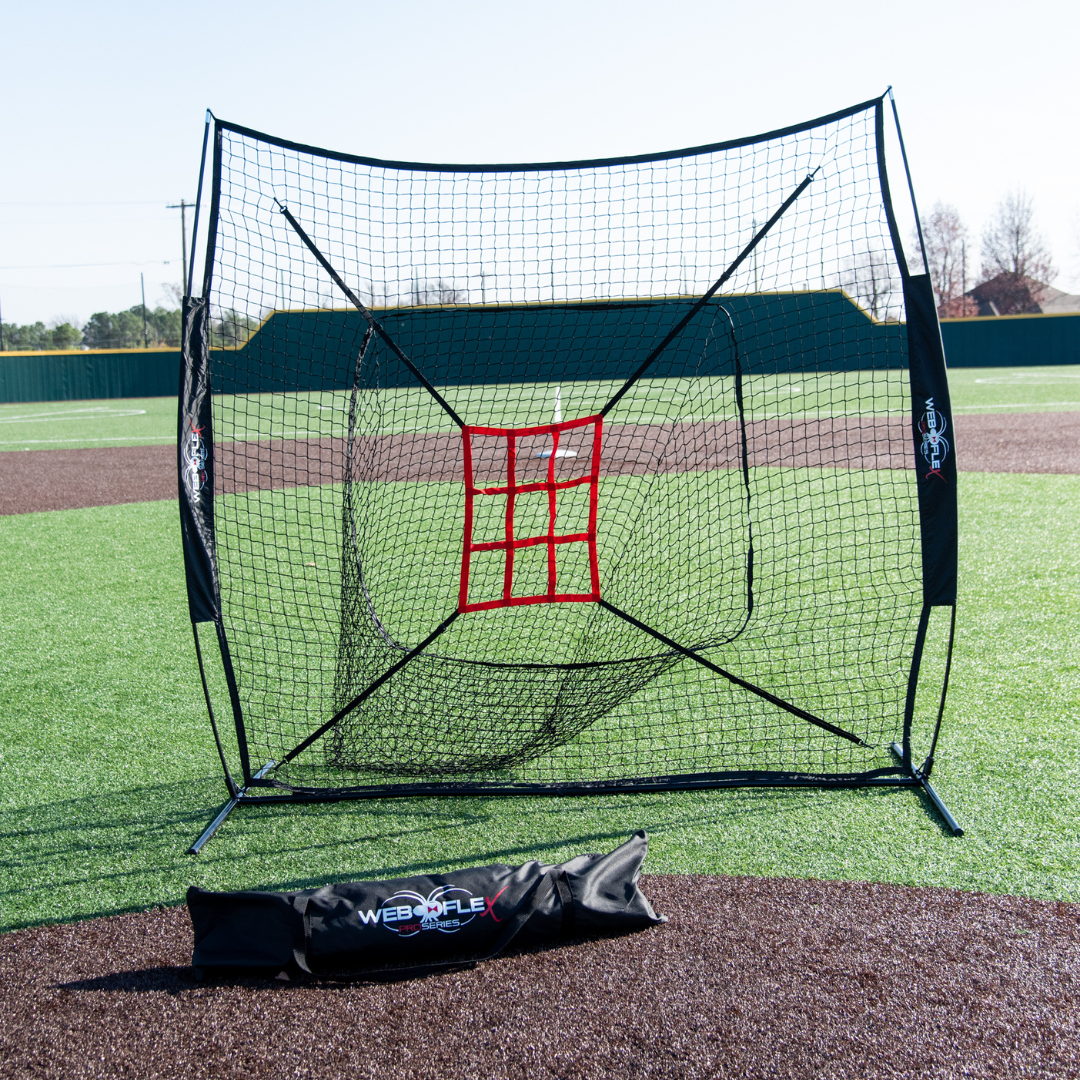
Portability matters when practice happens wherever space is available. A net should be quick to assemble, easy to carry, and stable enough for normal hitting work. This is where the Spider Series makes sense. It is built for athletes and families who need practical, dependable training gear that travels well and does not overcomplicate setup.
Use a portable net within its intended role. Set it on level ground, make sure the base is fully opened or secured, and avoid leaving it exposed to weather for weeks at a time. Even durable equipment lasts longer when it is treated like training equipment rather than yard furniture.
For teams, schools, and facilities
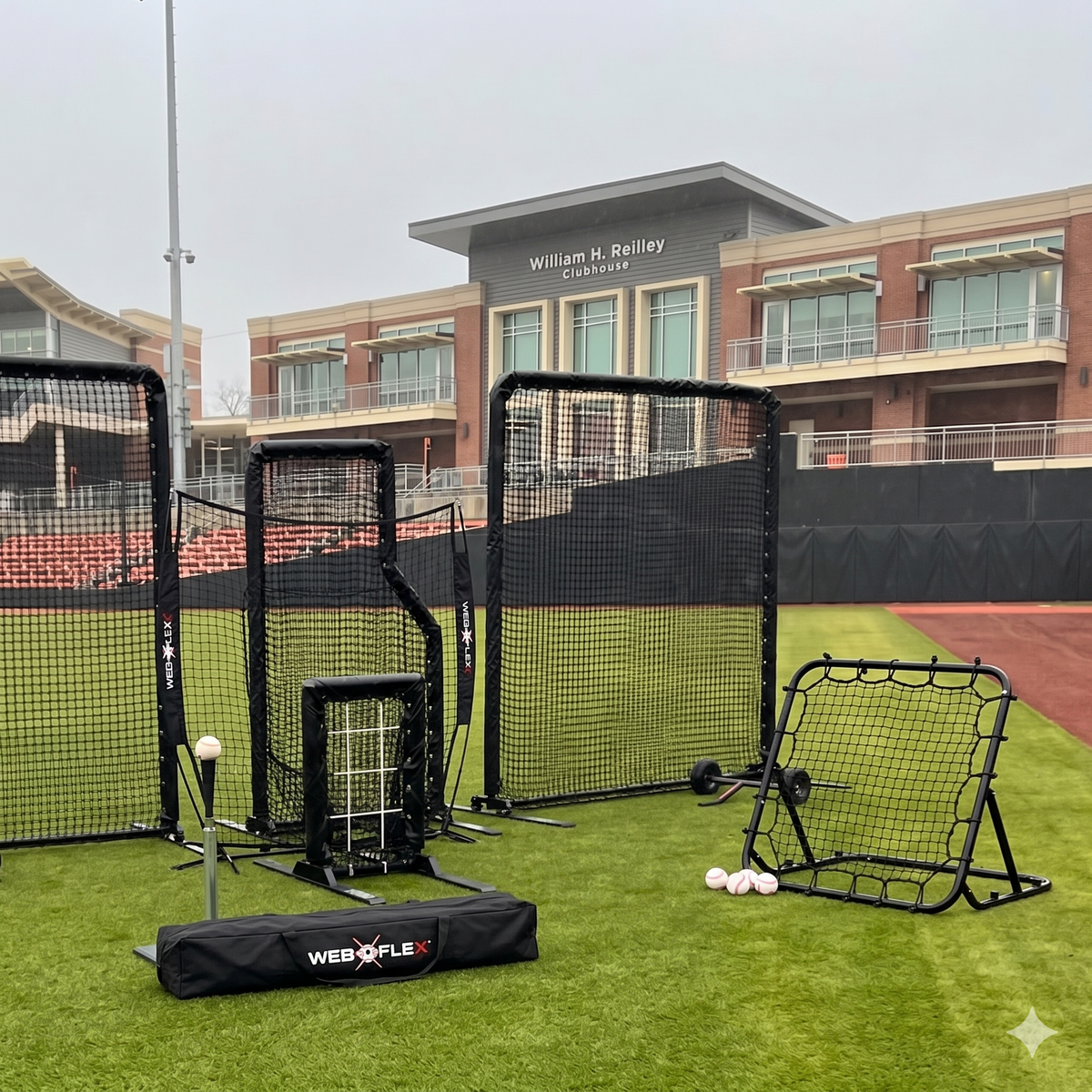
High-volume environments need a different standard. Screens move from cage to field, take constant ball impact, and get handled by dozens of athletes. This is where the Pro Series is the answer. Its heavy-duty construction, patented shock-absorbing technology, and lifetime frame warranties are built for programs that cannot afford equipment failure in the middle of a practice week.
A Pro Series screen is a better fit for front toss protection, live batting practice, infield stations, pitching work, and facility use where the same equipment sees repetition all day. It is more substantial because the job is more demanding. That trade-off is worth it when stability and long-term performance matter more than the lightest possible carry weight.
Where Practice Nets Fail First
Most net failures are predictable. They happen at pressure points, not in the middle of a perfect setup. Coaches and parents should inspect the system before a small issue becomes a broken frame or a safety concern.
Pay attention to these four areas:
- Frame joints that wobble, separate, or no longer lock securely
- Net attachment points that stretch, fray, or pull away from the frame
- Bottom edges that scrape against concrete, turf, or rough infield surfaces
- Bent base sections that keep the screen from sitting square and stable
Setup Habits That Extend Net Life
Durable construction gets you farther, but daily habits determine how long a net stays reliable. Do not drag a frame across asphalt or hard-packed dirt. Lift it with two people when the screen is large. Dragging puts uneven force on base connections and can bend tubing over time.
Store portable nets dry whenever possible. Moisture, sun exposure, and extreme weather wear on net fibers and connection hardware. Field screens used outdoors should be checked regularly after storms or high-wind days, even if they look fine from a distance.
During batting practice, place screens where they are protected from unnecessary direct impact. An L-screen should cover the coach without becoming the primary target. A catcher or hitter should have a clear lane into the net, rather than an angle that sends repeated balls into one corner. Small adjustments in placement reduce wear and make the drill safer.
Buy for Repetition, Not Just the First Setup
A net can look great on day one and still be the wrong fit by midseason. The better question is not, “Will this work for us?” It is, “Will this still work after a season of hard throws, line drives, transport, and rushed setup?”
For lighter, mobile training, the Spider Series gives players and families a practical way to build consistent reps. For heavy-use programs that need serious protection and long-term frame strength, the Pro Series is built to stay in the drill. Web Flex Sports designs both with the reality of baseball practice in mind: equipment gets hit, moved, tested, and relied on.
Choose the net that matches your volume, impact level, and training space, then take care of it like the piece of practice infrastructure it is. When the screen holds its ground and the net keeps the baseballs contained, everybody gets more quality work.