
A cage bucket, two cracked balls, and a net that folds in the wind can get you through one practice. It will not hold up through a season. That is why baseball training gear bundles matter. The right bundle does more than save time on buying - it creates a setup that is safer for coaches, more efficient for players, and tough enough to handle daily reps.
Most players and coaches do not need more random gear. They need the right combination of gear that works together. A screen without a dependable net system leaves holes in batting practice. A rebounder without enough space or a clear throwing plan turns into clutter. A pitching target without a stable practice area gets used twice and shoved into the corner. Bundles work when they are built around a real training job.
What baseball training gear bundles should actually solve
A good bundle should solve one of three problems. It should help you train more safely, train more efficiently, or train more often. If it does all three, you are in the right category.
For a coach, safety usually comes first. That means screens that protect during front toss, batting practice, and machine work. For a player training at home, efficiency and portability may matter more. That means gear that sets up fast, stores cleanly, and still gives useful feedback. For schools and facilities, durability becomes the deal breaker. High-rep environments expose weak frames, unstable bases, and cheap netting fast.
This is where a bundle earns its keep. Instead of buying one piece at a time and hoping it all fits together, you start with a system that matches the work. That might mean a screen and net setup for hitting days, or a rebounder and target combination for throwing development. The point is not owning more gear. The point is removing wasted reps.
Start with the training environment
Before you compare products, look at where the gear will live. Backyard, garage, side yard, batting cage, school field, and indoor facility are all different environments. The best baseball training gear bundles for one are not automatically right for another.
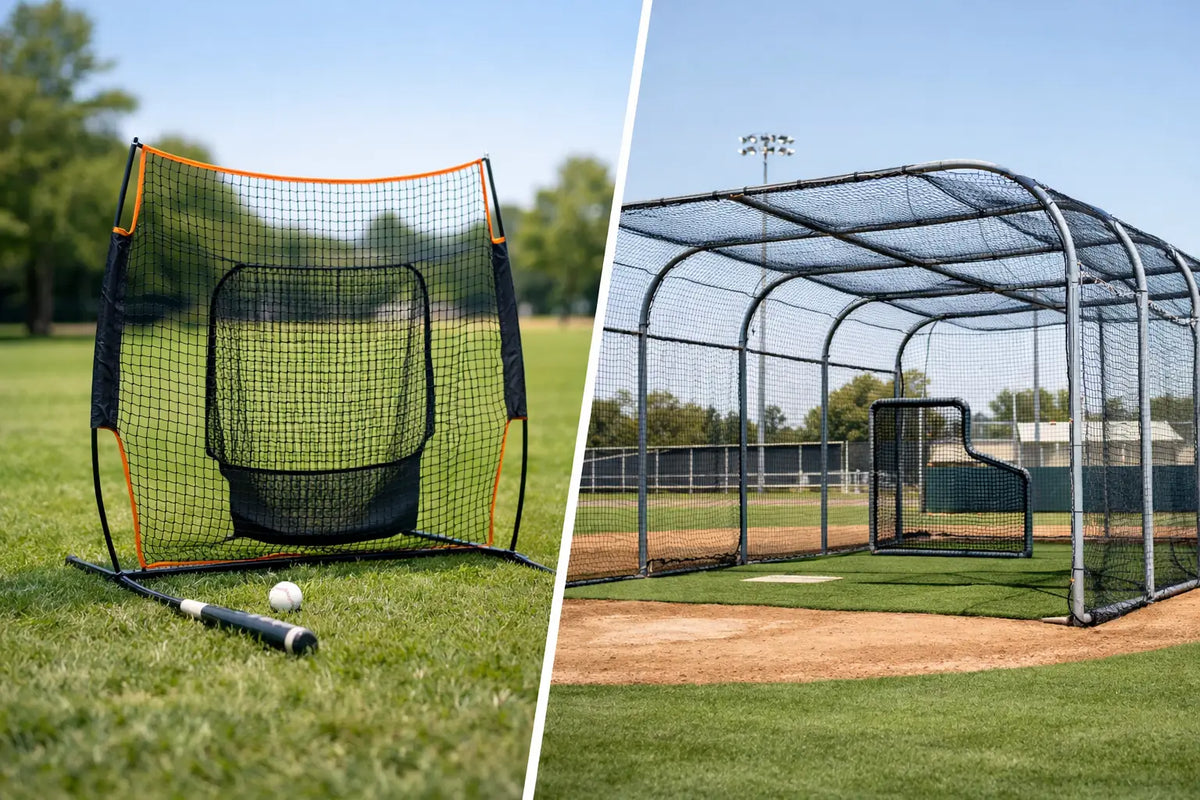
If your setup changes often, portability matters. Travel ball families and players training at home usually benefit from lighter systems that can be moved and stored without a fight. That is where the Spider Series makes sense. It is built for athletes and families who need practical, transport-friendly gear that still holds up under real use.
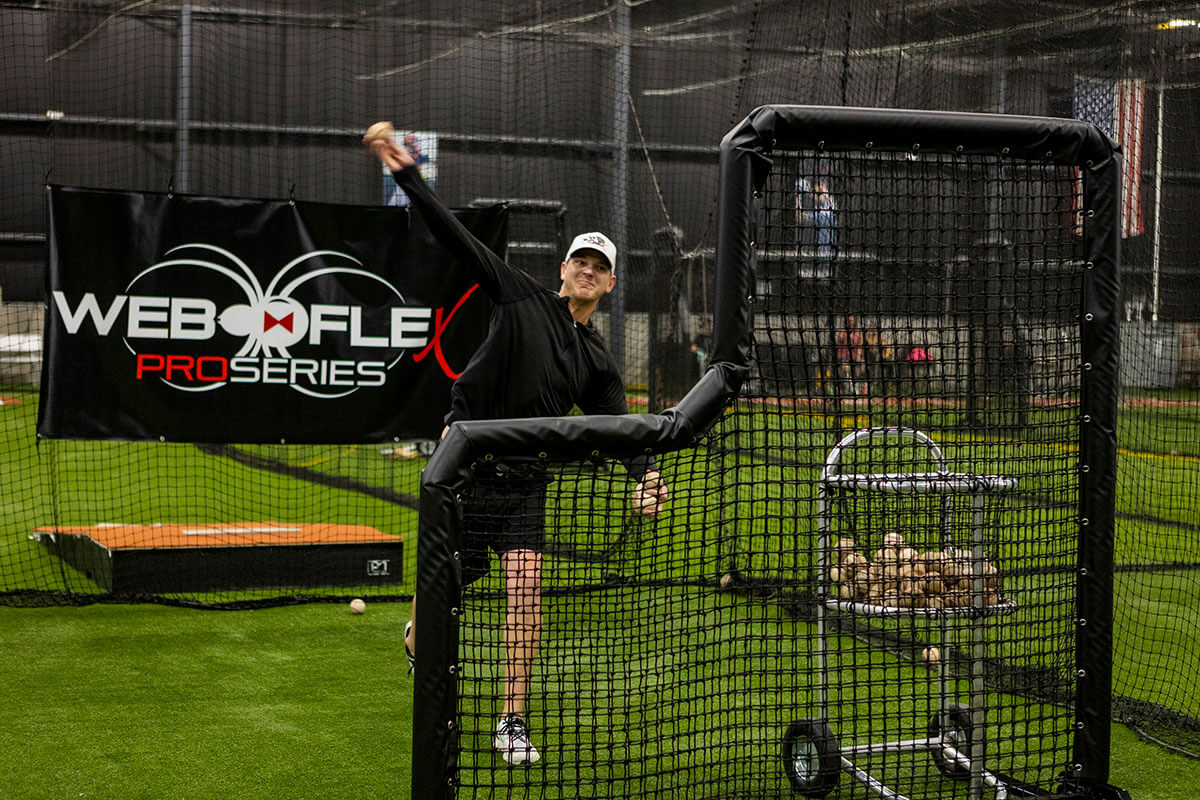
If the gear is staying in one place and taking volume every week, go heavier. A school program, hitting facility, or team practice setup should lean toward the Pro Series. That line is built for repeated use, stronger frame support, and the kind of durability that matters when multiple players are cycling through stations every day. In a high-workload environment, that difference shows up quickly.
Home setups need versatility
At home, every square foot matters. A bundle should give you more than one drill option without taking over the whole yard or garage. A net system paired with a target or rebounder usually makes more sense than loading up on specialty items that do only one job.
The best home bundle is often the one that gets used four times a week because setup is easy. Fancy does not beat practical. Consistent reps do.
Team and facility setups need staying power
For teams, coaches, and instructors, the math changes. You are not buying for one athlete and one session. You are buying for years of batting practice, pitcher work, pregame prep, and station-based training. This is where frame strength, net integrity, and overall stability deserve more attention than portability.
A Pro Series bundle is the better answer here because it is built around heavy-duty use. When coaches are hitting behind screens for hours or moving players through stations back to back, dependable equipment is not a luxury. It is what keeps practice moving.
Match the bundle to the skill work
Not every bundle should look the same because not every player needs the same reps. A youth hitter working on contact does not need the same setup as a varsity pitcher building command or a facility coach running full-group stations.
For hitting development, the strongest bundles usually center on net systems, L-screens or protective screens, and enough structure to keep reps clean. Screens matter because they let coaches and pitchers work confidently. Nets matter because they keep practice efficient and contained. If you are building a hitting station, start there.
For throwing and pitching, rebounders, targets, and durable screens create more useful training than gadget-heavy setups. A rebounder helps with repetition and hand speed work. A target adds accountability. A screen protects the person feeding balls or observing mechanics. Together, that is a real throwing station, not just a pile of accessories.
For defensive work, it depends on age and space. Some players benefit from a rebounder because it creates repeatable reaction reps in a smaller area. Others need more open-field work than a bundle can provide. That is one of the trade-offs buyers should be honest about. Bundles are great for controlled skill training, but they do not replace every part of live practice.
Why the wrong bundle usually fails
Most gear problems are not product problems. They are matching problems. People buy too light for the workload, too bulky for the space, or too narrow for the training goal.
A portable setup sounds great until a high school program uses it six days a week. A premium screen sounds smart until a family realizes it needs to move it in and out of a garage every afternoon. This is why tiered product lines matter.
The Spider Series is the right answer when portability, flexibility, and budget-conscious performance are the priority. It is a smart fit for players building a home setup, families managing limited space, and teams that need gear they can move easily.
The Pro Series is the right answer when volume, safety, and long-term durability lead the decision. It is built for coaches, facilities, and programs that do not have time for frame failure, unstable setups, or gear that wears down under pressure.
That is not marketing talk. It is simply how equipment should be chosen. Match the build to the workload.
What to look for inside baseball training gear bundles
A bundle is only as good as its weakest piece. If one item is underbuilt, the whole setup gets compromised. That is why experienced coaches look past the item count and focus on what each product contributes.
Frame quality should be near the top of the list, especially for screens and nets. If the frame bends, shifts, or wears out early, practice slows down and safety drops. Net quality matters too, especially when you are dealing with repeated impact from batting practice or machine work.
Setup and teardown also matter more than people admit. Gear that is difficult to move or reset tends to stay unused. For home users, that can kill consistency. For teams, it can burn practice time. A well-built bundle should make transitions easier, not harder.
Finally, think about how the pieces work together. The best bundles feel intentional. A protective screen supports batting reps. A net contains the work. A target or rebounder adds a feedback loop. That is a training station. That is what buyers should be looking for.
The best bundle is the one you will actually use
It is easy to shop for the biggest setup. It is smarter to shop for the one that fits your real routine.
If you are a parent buying for a serious youth or high school player, choose a bundle that can be set up without help and used in a limited space. If you are a coach, think in terms of daily repetition, player flow, and safety. If you run a facility, choose equipment the same way you would choose flooring or a machine - based on long-term workload, not first impressions.
Web Flex Sports approaches bundles the right way because the lines are built around how players and coaches actually train. Spider Series gives athletes and families a portable, practical path to more reps. Pro Series gives teams and facilities the heavier-duty answer for high-volume work and stronger protection.
The right gear should make practice feel sharper the first week and still be doing its job long after the novelty wears off. Buy for the reps you need, the space you have, and the workload you know is coming. That is how a bundle becomes part of your training, not just part of your storage.