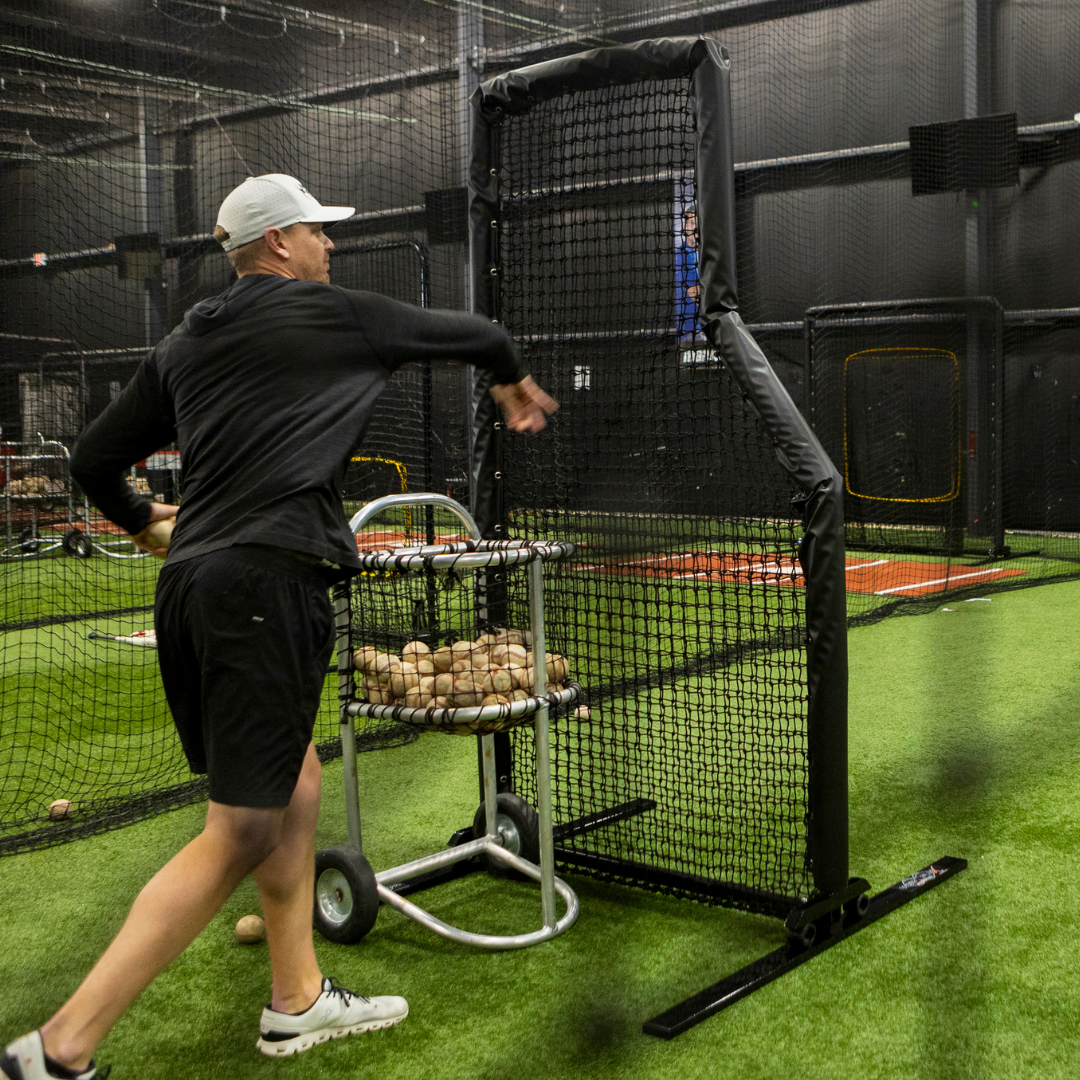

A screen usually fails at the worst possible moment - during live BP, in a cramped cage, or halfway through a long team practice when reps are finally rolling. That is exactly why heavy duty baseball screens matter. If your setup takes daily swings, front toss, overhand batting practice, and constant moving from field to cage, the screen cannot be an afterthought.
For coaches, parents, and facility operators, the right screen does two jobs at once. It protects the pitcher, coach, or machine operator, and it keeps practice moving without constant repairs, wobble, or net sag. A light screen may look fine on day one. A heavy-duty model earns its value months later when the frame is still square, the net is still secure, and the work can keep going.
What makes heavy duty baseball screens different
The biggest difference is not just thicker metal or a larger frame. It is how the whole screen is built to absorb repeated impact. Good heavy duty baseball screens are designed for baseball speed, baseball repetition, and baseball environments - sun, turf, dirt, cage floors, and frequent transport.
Frame strength is the first place to look. A stronger frame resists bending when hit by line drives and foul balls, especially during high-rep drills. Weld quality, tubing diameter, and corner construction all matter because weak points usually show up at the joints first. A frame can look solid in a product photo and still fail early if the stress points are not built correctly.
Net quality matters just as much. A heavy-duty frame with a weak net is still a weak screen. Netting should be thick enough to take repeated ball impact without fraying quickly, and attachment points should keep the net secure instead of letting it stretch out of position. Over time, a sloppy net changes how the screen performs and how safe it feels during practice.
Base stability is another major separator. In real training settings, screens get bumped, dragged, turned, and reset. A stable base helps the screen stay where it belongs during batting practice and soft toss, especially on uneven field surfaces. That stability becomes even more important when younger players are sharing the same equipment with older, stronger hitters.
Choosing the right heavy duty baseball screens for your setup
Not every buyer needs the same screen, even if everyone wants durability. The right choice depends on who is using it, how often it is being used, and whether portability matters as much as long-term toughness.
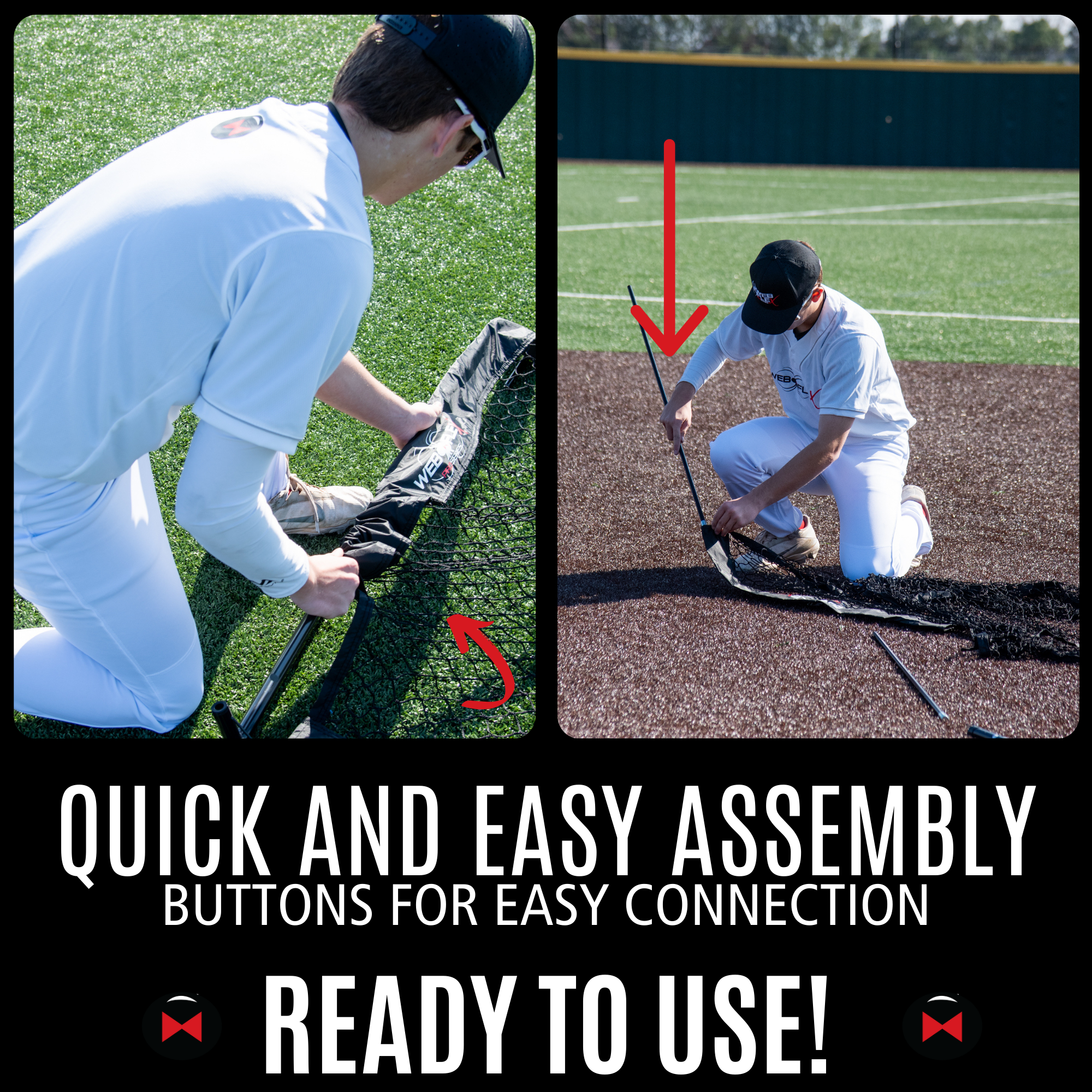
A youth family setup usually needs something different than a high school varsity field or private training facility. Parents often need a screen that can be loaded into a vehicle, set up quickly, and stored without taking over the garage. Durability still matters, but so does manageable weight and easy transport.
For school programs and travel organizations, use volume changes the equation. If a screen is coming out for daily practice, weekend tournaments, and off-season cage sessions, it needs to handle more than occasional contact. That is where premium construction starts to make real sense. More reps mean more stress on the frame, the net, and the hardware.
Training facilities need to think even more aggressively about wear. Commercial settings create constant impact from multiple hitters, instructors, and lessons. Screens in that environment should be selected like core infrastructure, not accessories. The better the build, the less downtime you deal with later.
Screen styles and where each one fits
L-screens remain the standard for batting practice because they protect the pitcher or coach while allowing clean ball delivery. They are the workhorses of baseball training. If your practices revolve around front toss, live BP, or coach-thrown work, a heavy-duty L-screen is often the first smart investment.
Z-screens offer more flexibility in how the coach works around the protected area. For some practice plans, especially where different throwing angles are useful, that shape can be a better fit. The choice is less about which design is better in theory and more about how your staff actually runs practice.
Field screens are valuable when you need broad protection or separation during drills. They help organize space, protect stations, and create cleaner training flow on busy practice days. Facilities and larger team environments often get more value from these than individual households do.
Sock nets and portable net systems have their place, especially for travel and lighter work, but they do a different job. If your main need is standing in front of repeated hard contact, a true heavy-duty screen is the better tool.
Durability is about safety, not just lifespan
A worn-out screen is not only frustrating. It can become a safety problem. When a frame starts leaning, a base loses stability, or the net no longer catches balls correctly, the screen stops doing the job you bought it for.
That matters most during high-speed reps. Coaches throwing BP, players hitting at full intent, and machine work all create conditions where protection needs to be reliable. A screen that shifts too much or leaves awkward gaps can change how confidently a coach or player works behind it. Good equipment should support aggressive training, not make everyone hesitate.
This is where engineering matters. Shock absorption, frame integrity, and secure net attachment are not marketing extras when you are talking about protective training equipment. They are part of keeping reps productive and reducing unnecessary risk.
Portability versus maximum strength
There is always a trade-off. Heavier screens tend to feel more planted and hold up better under daily punishment, but they can be less convenient to move. Lighter models are easier to load, unload, and reposition, but they may not be the best answer for a program running constant full-speed BP.
That is why buyer intent matters. If you are a family practicing a few times a week and traveling often, a more portable screen may be the right call. If you are outfitting a school or facility where the screen lives in a cage and sees serious volume, a heavier build is usually worth it.
A smart product lineup should account for both needs. Some athletes need compact portability. Others need premium strength, long-term frame confidence, and technology built to absorb punishment over time. Neither buyer is wrong. The screen simply has to match the workload.
What coaches and parents should check before buying
Start with the training environment. Dirt fields, indoor cages, turf spaces, and shared practice areas all create different demands. A screen that works well in a backyard may not be ideal for a varsity field with multiple stations running at once.
Next, think about frequency. Once-a-week use and year-round repetition are not the same thing. The more balls a screen is expected to take, the less sense it makes to compromise on build quality.
Then look closely at the frame design, net strength, and overall construction details. Does it appear built for repeated impact, or just occasional use? Does it look stable enough for hard contact? Will it stay functional after being moved in and out of storage repeatedly?
Warranty support also matters because it reflects confidence in the product. Buyers who are investing in core training gear want proof that the equipment is built for the long run, not just the first season.
Why serious programs invest in better screens early
Teams often learn this the hard way. They buy a lighter screen to save effort up front, then replace it sooner than expected after a season of batting practice and bullpen work. The replacement cycle ends up costing more time, more hassle, and more disruption than buying the right screen from the beginning.
A stronger screen helps maintain the pace of practice. Coaches spend less time adjusting equipment. Players get more quality reps. Training stays organized because stations hold their shape and protection stays in place.
That kind of consistency matters. Practice quality is built on repetition, rhythm, and safety. When equipment is dependable, everything else gets better. That is why serious athletes and coaches tend to see heavy-duty screens as part of performance infrastructure, not an optional extra.
At Web Flex Sports, that mindset shows up in how training gear is built for different levels of use, from portable setups to premium screens designed for heavy repetition and long-term reliability. The best choice is the one that fits your workload honestly.
If your practices are getting faster, stronger, and more frequent, your screen should keep up without flinching. Buy for the reps you plan to take, not the ones you hope your equipment survives.