
SPIDER SERIES
A bad screen shows its flaws fast. It wobbles when hitters are getting real swings off, drags down setup time, or stays parked in the garage because nobody wants to move it. That is exactly why portable softball screens matter. For coaches, parents, and players trying to get quality reps without wasting time or sacrificing safety, the right screen is not just convenient - it becomes part of a smarter practice setup.
Why portable softball screens earn their keep
Softball training rarely happens in one perfect location. One day it is a backyard session, the next it is a school field, indoor cage, or travel tournament warmup area. Equipment has to move with the athlete, not the other way around. A portable screen gives you flexibility without giving up the core job of a screen, which is protecting the person feeding balls and keeping practice organized.
That portability matters even more when repetition is the goal. If a coach or parent can set up in a few minutes, they are more likely to run tee work, front toss, soft toss, or pitching drills consistently. If setup turns into a project, reps disappear. Over a full season, that gap adds up.
There is also a safety angle that should never get glossed over. In softball, short reaction times are part of the game. During batting practice and front toss, a screen helps create a cleaner barrier between the hitter and the person behind the drill. Portable softball screens make that protection easier to bring wherever work needs to happen.
What separates a good portable screen from a frustrating one
Portability sounds simple, but it can mean very different things depending on how and where you train. A screen that is easy for one coach to roll across turf may be a headache to load into an SUV. A lightweight frame may feel great for solo transport but may not hold its position as well in heavy-use team settings. The best choice depends on your training environment.
Frame construction is usually the first thing to look at. Heavier-duty frames tend to give you better stability and longer life, especially if the screen is used several days a week by multiple teams or in a facility. The trade-off is obvious - more strength usually means more weight. If you are moving the screen constantly, carrying it in and out of practice, or storing it between sessions, that balance matters.
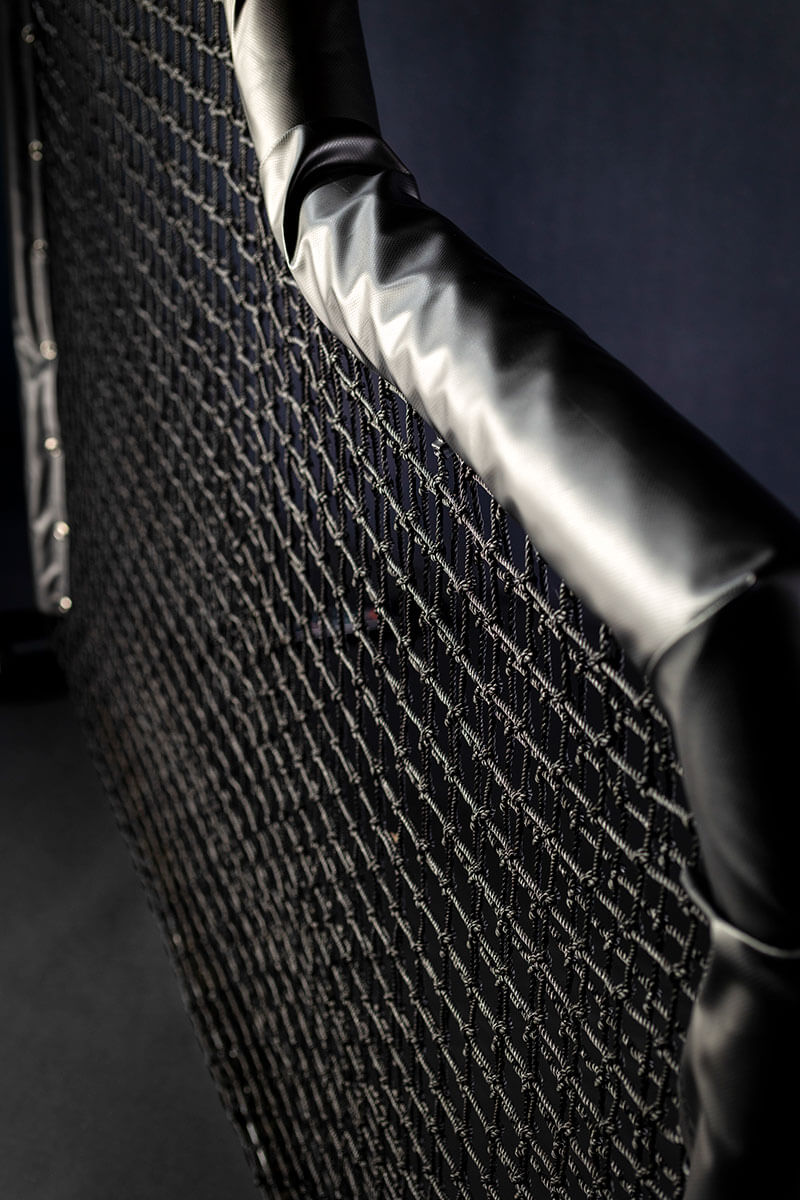
Net quality is just as important. A strong frame with weak netting still leaves you replacing parts too soon. Good netting needs to absorb repeated impact without stretching out or breaking down quickly. For softball, where hitters can drive hard contact in tight spaces, that durability is not a luxury.
Wheels, foldability, and assembly design also make a bigger difference than people expect. A portable screen should not require a long setup routine or extra tools every time it comes out. Coaches want equipment that gets on the field fast, stays put during the drill, and breaks down without eating into practice time.
Choosing the right type of portable softball screens
Not every screen is built for the same job. That is where buyers often get tripped up. They know they need a portable option, but they do not always match the screen style to the way they actually train.
L-screens for pitching and front toss
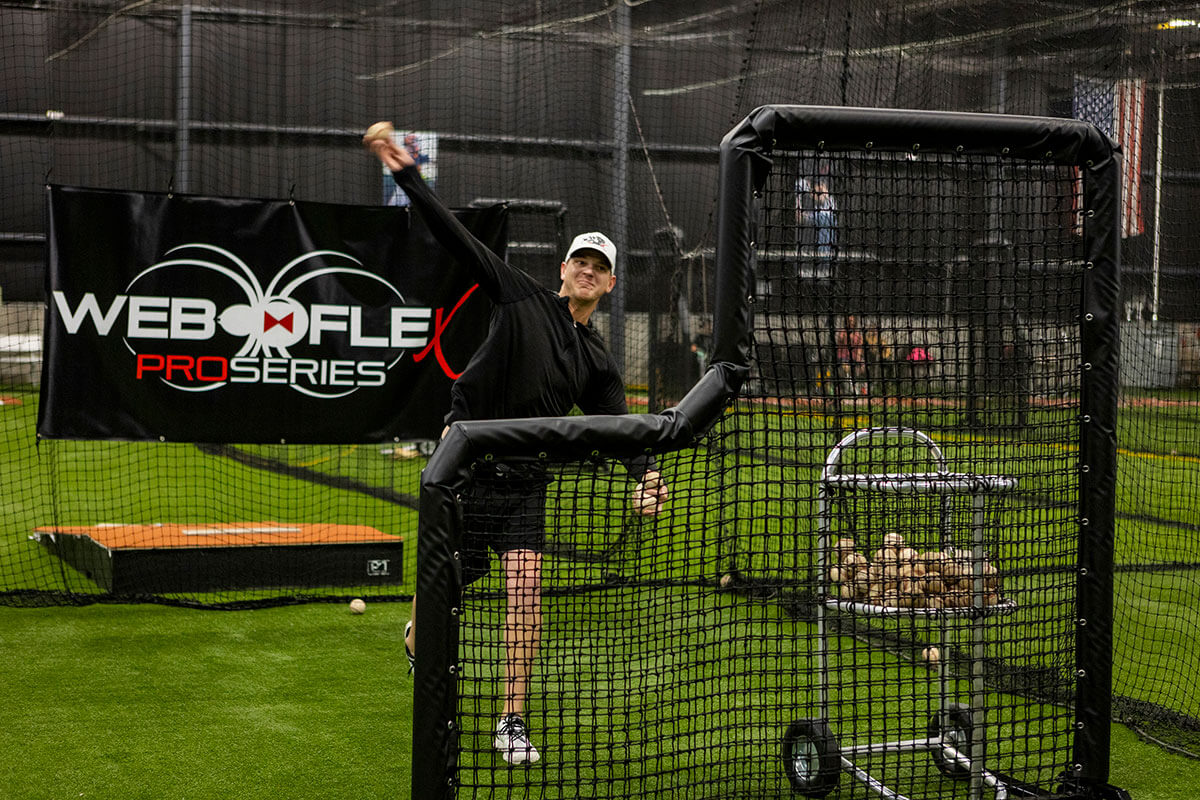
L-screens are a go-to option when a coach, pitcher, or parent needs protection while throwing batting practice or front toss. The L-shaped cutout allows a right- or left-handed thrower to work from behind the frame while staying shielded from line drives. If your sessions center around live arm work or short toss feeding, this style makes a lot of sense.
For portability, the key is finding an L-screen that still feels stable once it is in place. That matters even more if hitters are older, stronger, or taking full cuts. If the frame shifts too much on impact, portability starts working against performance.
Field screens for general-purpose protection
Field screens are useful when the goal is broader coverage. These work well for team practices, batting stations, and multipurpose setups where a coach may not need the specific shape of an L-screen. They are especially helpful when you want a screen that can move between softball drills without needing to dedicate it to one role.
If you coach multiple age groups or share gear across players, a general field screen may give you more day-to-day value. The trade-off is that it may not offer the same sport-specific positioning as an L-screen during live feeding drills.
Travel-friendly screens for families and mobile coaches
Some athletes need a screen that can ride to lessons, tournaments, or weekend training sessions without taking over the entire vehicle. That is where lighter, more compact builds make sense. These are often the best fit for backyard work, younger players, and travel ball families who want quick setup and easy transport.
The trade-off here is durability under constant heavy use. A compact, lighter screen can be perfect for individual training and still be the wrong choice for a high-volume school or facility environment.
Who needs lightweight and who needs heavy-duty
This is the most practical buying question, and the answer depends on reps, not ambition.
If you are a parent running backyard hitting sessions a few times a week, lightweight portable softball screens usually check the right boxes. You want simple transport, easy storage, and enough protection for controlled training work. A lighter frame can be a smart buy if it gets used regularly instead of sitting in a shed because it is too much trouble to move.
If you are coaching a team, running camp stations, or outfitting a facility, heavy-duty construction is usually the better long-term move. More athletes, more swings, and more daily setup cycles create wear fast. In those settings, stronger frames and more durable net systems pay off over time because they hold shape better and keep practice moving.
That is why tiered product lines make sense. Some athletes need travel-ready convenience. Others need premium construction that can take serious volume. A brand like Web Flex Sports speaks to both groups by recognizing that portability and durability are not one-size-fits-all decisions.
What coaches and parents should watch for before buying
The easiest mistake is buying based on footprint alone. A screen can look right in a product photo and still be wrong for the athlete using it. Think about who moves it, how often it gets assembled, and what kind of contact it will absorb.
A coach working with varsity hitters should be thinking about frame integrity and repeated impact. A parent training a 12U player in the driveway may care more about compact storage and fast setup. A private instructor may need a screen that transitions between indoor and outdoor use without becoming awkward to transport.
You also want to think about space. Bigger is not always better. A large screen can offer more protection, but if it is clumsy in a garage, backyard, or batting lane, that size can become a problem. The best portable softball screens fit the training space as much as they fit the drill.
Durability claims should be backed by real construction details. Strong joints, quality net attachment, dependable wheels if included, and proven frame design all matter. If you are investing in a screen, you want one built to take repeated use, not just survive the first few sessions.
How portable screens improve practice quality
A good screen does more than stand there. It speeds up transitions, keeps feeders more confident, and makes it easier to run higher-volume drills. When a coach feels protected, batting practice gets more efficient. When setup is easy, extra reps happen. When equipment is simple to move, players can train in more places.
That flexibility matters for softball because training often needs to be creative. Weather changes. Field access changes. Schedules change. Portable equipment keeps those changes from stopping development.
There is also a mental side to this. Players train better when drills feel organized and purposeful. A real screen setup creates structure. It signals that the work matters, whether the session is in a full facility or on a patch of grass before a tournament game.
Portable softball screens are worth it when they get used
The best screen is not the one with the longest feature list. It is the one that fits your level, your workload, and your training routine well enough that it becomes part of weekly work. For some buyers, that means a lighter, more travel-friendly option. For others, it means a heavier frame built to absorb year-round use.
If you choose carefully, portable softball screens do exactly what serious training equipment should do - protect people, save time, and help players get more quality reps wherever the work needs to happen. Buy for how you actually train, and the right screen will keep earning its spot session after session.