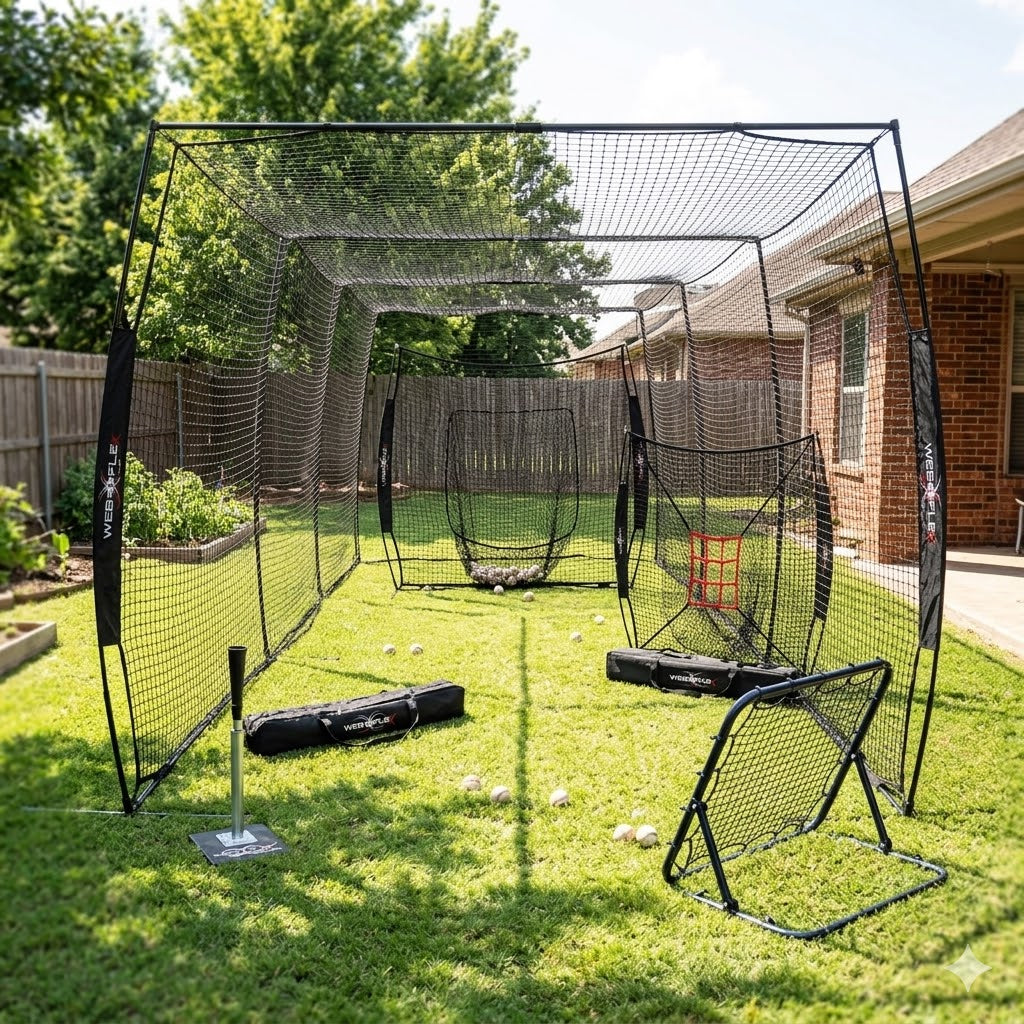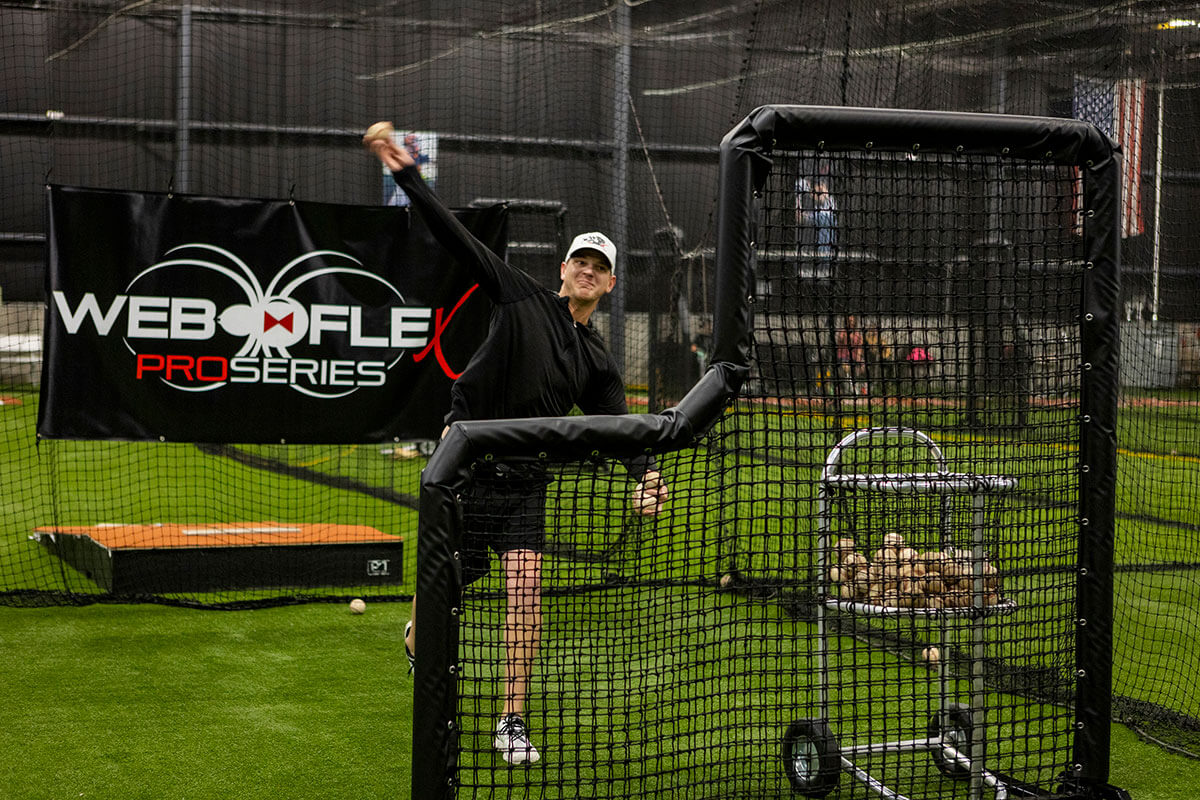

One hard one-hopper through the middle can change the tone of batting practice fast. If you are asking how to protect coaches batting practice, the answer is not just standing farther away and hoping for the best. Real protection comes from the right screen, the right setup, and a practice plan that respects how quickly a routine rep can turn dangerous.
Batting practice puts coaches in the line of fire over and over. Front toss, overhand flips, fungo work, machine feeding, and live BP all create different risk points. The mistake many programs make is treating coach safety like a side issue instead of part of the training system. The safer your setup is, the more confident, efficient, and repeatable your practice becomes.
How to Protect Coaches Batting Practice Starts With Positioning
Most coach injuries in batting practice are not freak accidents. They come from predictable exposure. A coach stands too open during front toss. A screen is too narrow for the release point. A bucket sits where footwork gets crowded. A hitter inside-outs a ball that misses the frame by six inches. That is not bad luck. That is a setup problem.
For front toss, the coach should work behind a properly sized protective screen whenever possible, not beside one and not halfway covered by one. Partial protection gives a false sense of security. The throwing lane and the coach's body position have to match the opening of the screen so the release stays natural while the torso, head, and legs stay shielded.
For fungo work, the distance from contact matters as much as the quality of the screen. If coaches are hitting to infielders in a tight facility or on a crowded practice field, rebound risk goes up. Balls ricochet off gloves, turf, fences, and even adjacent screens. In that environment, coach protection is not only about direct line drives. It is about controlling the whole rep zone.
The Screen Is the First Piece of Safety Gear
If there is one equipment category that does the most work in coach protection, it is the protective screen. A quality L-screen or Z-screen creates a controlled barrier between the coach and the hitter while still allowing accurate tosses or pitches. That sounds simple, but not all screens perform the same under daily use.
The frame needs to stay stable through repeated impact. The netting needs to absorb force instead of kicking balls back into the coach's lane. The shape of the screen needs to fit the drill. An L-screen is a standard choice for batting practice because it protects the upper body while preserving a clear throwing window. A Z-screen can offer more flexibility for different toss angles and training setups, especially when multiple coaches or players rotate through stations.
Durability matters because bent frames, loose netting, and unstable bases become safety issues long before they become replacement issues. High-rep programs, school teams, and training facilities should think in terms of workload, not just basic function. If the screen gets hit hundreds or thousands of times, it needs to be built for impact, not occasional weekend use.
That is where it helps to think in tiers. A lighter, more portable screen can make sense for travel ball families, mobile instructors, or teams that need quick setup and breakdown. A heavier-duty screen is the better fit for cages, school fields, and facilities that run batting practice every day. The right choice depends on who is using it, how often, and where.
How to Protect Coaches During Batting Practice in Different Drills
Not every batting practice drill carries the same risk, so protection should match the rep.
In front toss, the danger is direct and immediate. The ball is leaving the bat from close range, often with very little reaction time. Coaches should stay fully behind the screen, keep the toss consistent, and avoid leaning into the open side after release. Many coaches get comfortable after a few clean rounds and start drifting. That is usually when exposure increases.
In overhand BP, the screen must protect both the release side and the follow-through position. Coaches who throw from behind an undersized screen often expose a shoulder, hip, or shin without realizing it. A larger, well-designed screen gives more room to work naturally without sacrificing coverage.
In machine practice, coaches feeding the machine are still at risk from deflections, mishits, and side-angle contact. The machine does not eliminate the need for screening. It just changes where the risk lives.
For soft toss stations, protection is often overlooked because the drill feels controlled. But young hitters miss, spin, and yank balls unpredictably. If a coach or parent is assisting at close range, the station needs enough space and the feeder needs a safe angle, even if a full protective screen is not practical.
Facility Layout Can Either Reduce Risk or Multiply It
A strong screen will not fix a bad layout. Coaches get hurt when batting practice stations are stacked too tightly, when hitters swing into walkways, or when balls from one station enter another. Safety starts to break down when space is treated like an afterthought.
Each station should have a clear hitting lane, a protected coach position, and a retrieval path that does not cross active swings. If players are collecting balls while another group is still hitting, the practice flow needs work. If coaches have to move around the screen to reach buckets or adjust equipment during live reps, the layout needs work.
Indoor spaces need even more discipline. Nets, walls, and hard surfaces can create sharp rebounds. In a cage, a coach may feel protected because the area looks contained, but mishit balls can come back fast off side netting or frame hardware. The best indoor setups reduce clutter and leave nothing in the coach's path that creates awkward movement.
Protection Is Also a Training Habit
The best equipment in the world cannot protect a coach who ignores routine. Safe batting practice is built on repeatable habits.
Coaches should establish a dead-ball rule before anyone enters the hitting area. Players should know exactly when to swing, when to shag, and when to move between stations. Younger teams especially need this repeated often. Chaos is where accidents happen.
Hitters also need instruction that fits the drill. If the goal is opposite-field work, the coach should not stand in a spot that gets punished by late swings or flares. If the drill encourages quick hands and pull-side contact, the screen setup needs to reflect that. Good coaching includes anticipating ball flight, not just teaching mechanics.
Protective screens should be inspected regularly. A worn pocket in the net, loose connection point, or frame that rocks on uneven ground can turn a solid setup into a weak one. This is one of those details that gets skipped until a near miss reminds everyone why it matters.
Choosing the Right Level of Protection
The right answer depends on your environment. A youth team running short outdoor practices may prioritize portability and quick setup. A high school program or private facility should usually lean toward heavier-duty protection that can hold up to year-round reps. Travel coaches often need equipment that loads easily, sets up fast, and still creates real coverage.
That trade-off is worth thinking through before you buy. A lighter screen is easier to move, but repeated impact can expose its limits sooner in high-volume use. A more substantial screen gives better long-term stability and confidence, but it takes more space and commitment. Neither option is automatically better. The better choice is the one that matches your actual training load.
For programs that want a dependable mix of safety, portability, and durability, Web Flex Sports builds screens and practice gear around that exact problem. The goal is simple - help coaches train players hard without putting themselves in unnecessary danger.
Don’t Treat Coach Safety Like a Backup Plan
There is a difference between checking the box on safety and building a batting practice setup that truly protects people. Coaches are often the ones feeding balls, moving stations, correcting mechanics, and keeping practice on schedule. That means they are also the people most exposed to repeated contact risk.
If you want batting practice to stay productive, coach protection has to be part of the system from the start. Use a screen that matches the drill. Set stations with enough room to work. Build habits that keep live swings and movement organized. Inspect equipment before it becomes a problem.
The best batting practice setups do more than help hitters get their work in. They let coaches run high-repetition training with confidence, and that changes the quality of every session that follows.