
A batting screen that tips, tears, or shifts after a few rounds is not just annoying - it slows practice down and puts players and coaches at risk. If you're figuring out how to choose batting screens, start with the real job the screen needs to do: protect the person behind it, hold up to repeated contact, and fit the way your team actually trains.
That sounds simple, but this is where a lot of buyers miss. A youth coach running light front toss has different needs than a high school program hitting every day. A travel family loading gear into the car needs something different from a facility that leaves screens on turf year-round. The right choice comes down to volume, environment, mobility, and the type of work you do most often.
How to choose batting screens for your setup
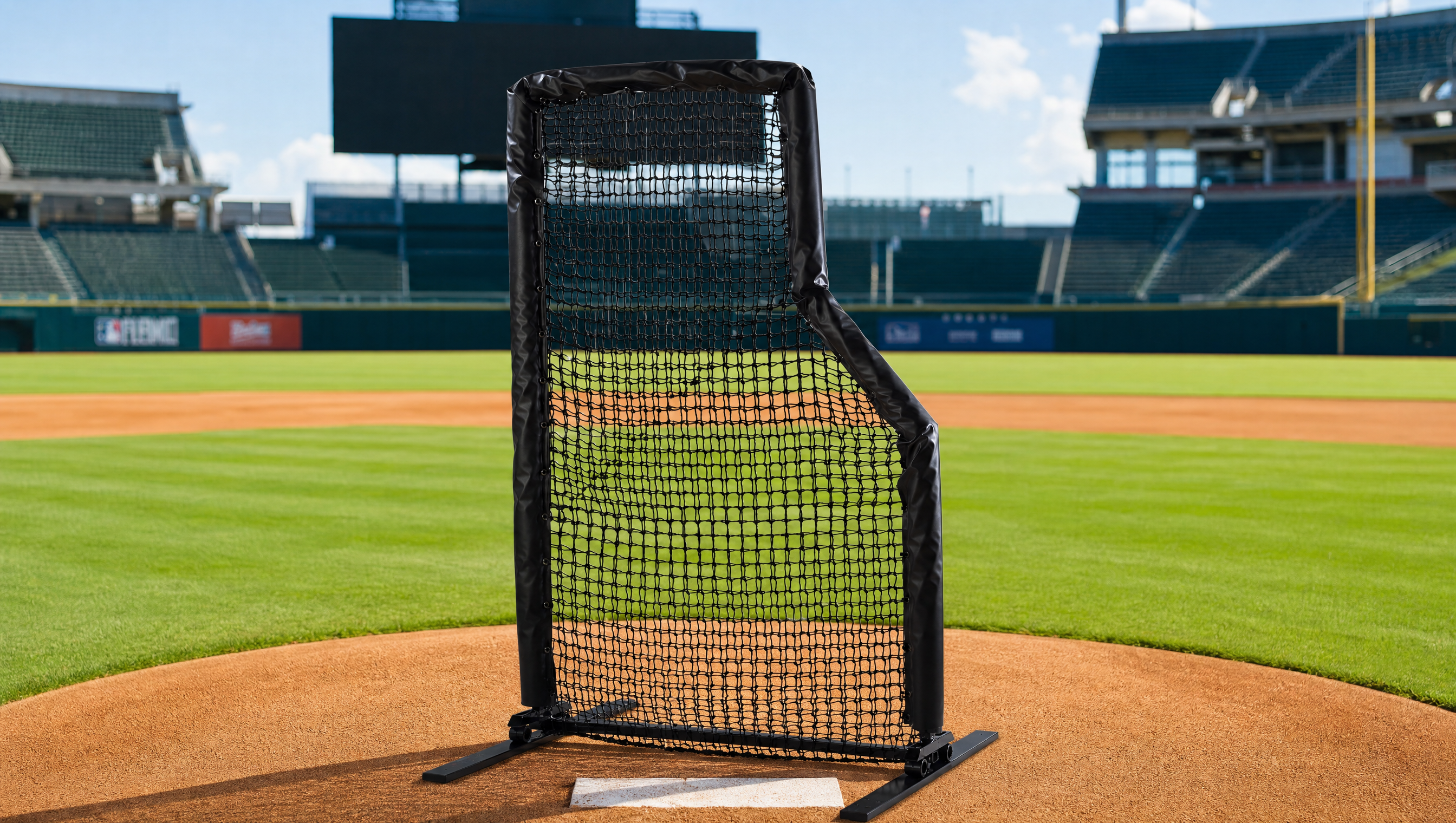
The fastest way to narrow your options is to think in terms of training use, not just product category. An L-screen is a strong fit for pitching practice and front toss because it protects the thrower while keeping a clean throwing lane. A field screen makes more sense when you need broader protection for fungo work or general defensive reps. A smaller, portable screen may be perfect for backyard sessions or travel days, but it can feel underbuilt in a busy team setting.
Usage volume matters more than many buyers expect. If your screen will see occasional weekend work, portability and easy storage may be the priority. If it is going to take daily batting practice from stronger hitters, frame strength and net retention become far more important. A screen that is easy to move but constantly needs adjustment will cost you time every single week.
You should also consider who is using it. Youth players often benefit from equipment that is lighter and easier to set up. Coaches and facility operators usually need a heavier-duty build that can stay stable through high-rep training. Parents buying for a serious player often sit somewhere in the middle - durable enough to grow with the athlete, but still manageable to transport.
Start with safety, not convenience
When coaches shop screens, convenience is often the first thing they notice. Wheels, folding designs, and quick setup all matter. But safety should lead the decision.
A batting screen is a protective barrier first. The frame needs to stay planted when the ball comes off hot. The net should absorb impact instead of kicking balls back unpredictably. The opening on an L-screen should give enough room to throw naturally while still shielding the body where it counts.
This is especially important in live batting practice and machine work. Harder contact exposes weak welds, loose joints, and low-tension netting fast. If the screen bends too easily or the net drifts out of position, protection drops right when ball speed rises. That is not a small issue - it changes how confidently a coach or pitcher can work.
For schools, training programs, and high-volume team use, a heavier-duty screen is often the better long-term play. For lighter individual use, you may accept some trade-off in exchange for easier transport. The key is being honest about the level of contact the screen will face.
Frame strength is where durability starts
If you want a screen that lasts, pay close attention to the frame. Buyers often focus on the net first because that is what they see taking the hit, but the frame determines whether the screen keeps its shape and stability over time.
Thicker steel construction generally brings better durability and less frame wobble. That matters during repetitive BP, especially when the same spots take repeated impact. A stronger frame also helps the screen stay square, which keeps the net working the way it should instead of sagging or shifting.
That does not mean every buyer needs the heaviest frame available. There is always a trade-off. Heavier frames usually offer more stability and a longer service life, but they are less convenient to move. Lighter builds are easier for solo setup and travel, but they can wear faster in demanding environments.
This is where a tiered approach makes sense. Portable designs fit players and families who need flexibility. Heavy-duty models fit programs that need a screen to absorb daily work without compromise. Neither is automatically better. Better depends on how often you train and how hard that equipment gets used.
Netting quality changes everything
A strong frame with weak netting is still a weak screen. Netting takes the direct force of the ball, so material quality and attachment design matter.
Look for netting that is built to handle repeated impact without fraying early or stretching out too quickly. In batting practice, stretched netting creates inconsistency. Balls rebound differently, the protection zone changes, and the whole screen feels less secure. Good netting should absorb force, hold tension, and stay reliable through repeated sessions.
Attachment points matter too. If the net is poorly secured, it can shift under pressure or wear prematurely where it meets the frame. That is often the first failure point on lower-grade screens. A better attachment system helps the screen keep its shape and improves overall lifespan.
For buyers comparing product levels, this is often one of the biggest separators. Premium screens usually invest more in impact management, frame-to-net stability, and long-term wear resistance. If your athletes hit often and hit hard, that difference shows up fast.
Size should match the drill
A screen can be built well and still be the wrong fit if the size does not match your training routine. Bigger is not always better. It depends on what you need to protect and how much space you have.
For front toss and pitching work, an L-screen is usually the most practical choice because it balances coverage with throwing access. If you run lots of fungo drills, side work, or broad protection setups, a wider field screen may serve you better. In tight spaces, oversized screens can become more of a hassle than a benefit, especially if you are constantly moving them around cages or practice areas.
Think about storage too. Coaches often plan for practice use but forget about what happens afterward. If the screen is hard to move into a shed, cage, or equipment room, that friction adds up. Teams use gear more consistently when it fits the routine.
Portability matters more for some buyers than others
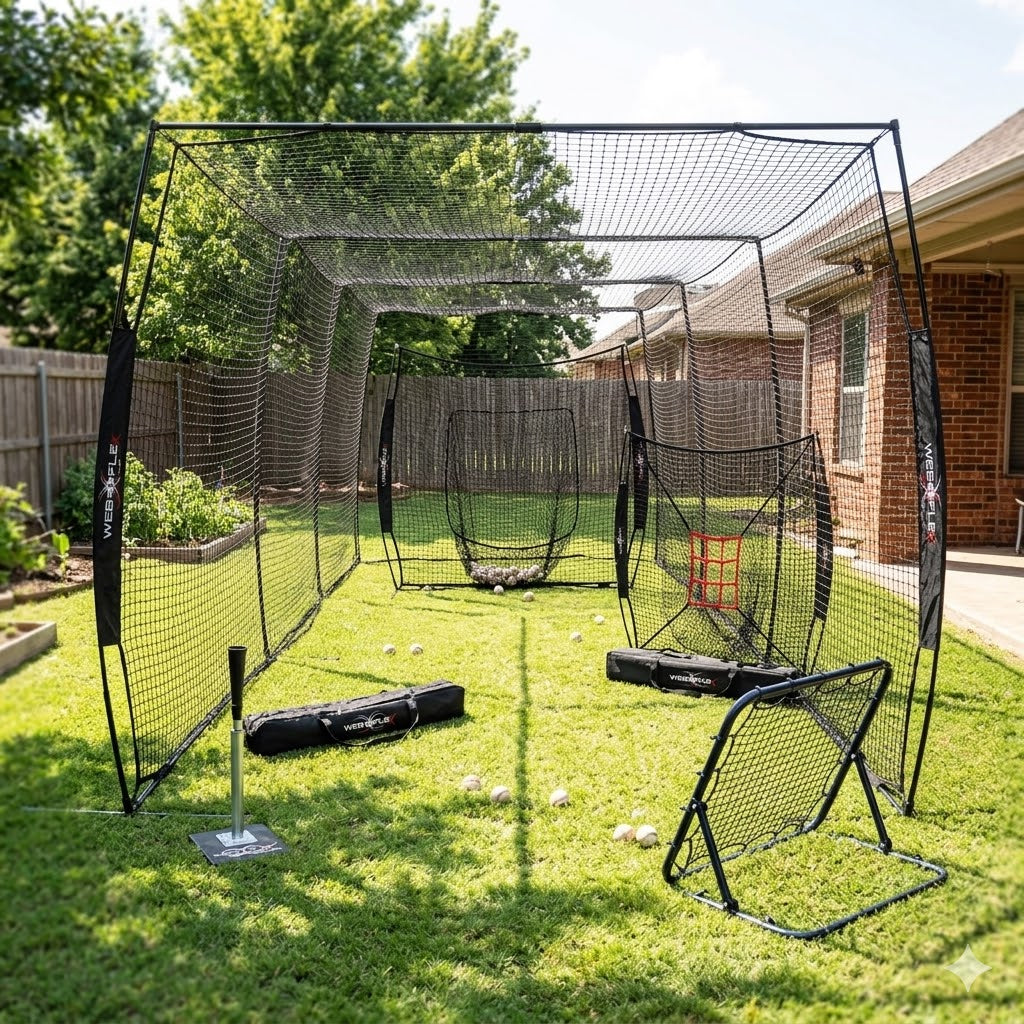
If you train in multiple locations, portability is not a bonus feature. It is a core buying factor. Travel teams, backyard users, and individual athletes often need a screen that can be loaded, unloaded, and set up without turning into a project.
That said, portability should not come at the cost of basic stability. A screen that folds quickly but shifts during use is not saving time. It is creating new problems. The best portable options strike a clean balance - manageable to move, but tough enough to perform under real training conditions.
For facilities and schools, portability can matter less than staying power. If the screen will mostly stay in one place, a heavier model with stronger construction often makes more sense. Daily-use gear should be selected for workload first and movement second.
Match the screen to your level of play
Youth players can get plenty of value from lighter, easier-to-handle screens, especially when training volume is moderate. But once hitters get stronger and practice frequency increases, equipment that felt sufficient at one stage can start to show limits.
High school teams, college programs, and serious private instructors usually need gear built for repeated impact and frequent use. In those settings, durability is not just about product life. It affects practice flow. Stronger screens stay in place, require fewer adjustments, and keep sessions moving.
That is why many buyers benefit from thinking one step ahead. Buy for the next phase of training, not just today. A screen that can grow with your athlete or program often delivers better value than replacing a lighter model too soon.
The best choice is the one that fits your routine
When people ask how to choose batting screens, the real answer is to choose based on how you train when nobody is trying to sell you on features. Think about ball speed, training frequency, where the screen will live, who has to move it, and how much protection the drill actually demands.
If you need a screen for occasional work, portability and simple setup may be the right call. If you need one for daily team use, prioritize frame strength, net quality, and impact stability. If you need both, look for a product line that clearly separates portable options from heavy-duty models so you are not forced into a compromise that fits neither job well.
The right batting screen should do more than survive a few sessions. It should make practice safer, smoother, and more efficient from day one - and still be doing that long after the season gets busy.